Not All Cotton Is the Same: How to Choose Truly High-Quality Bedding
Imagine two bedding boxes. Both say "100% cotton". One costs 20 euros, the other – 80 euros. What is the difference?
Most people think it is just marketing and brand margin. But the difference is very real – and noticeable from the very first night. The problem is that the label "100% cotton" says very little. It is only the beginning.

Fibre Length – What Nobody Talks About
This is the most important quality characteristic that most people completely ignore. Cotton fibre can be short, medium or long – and this difference determines everything.
Short fibres are used in cheap bedding. It quickly becomes fluffy, roughens after a few washes and wears out faster than you would like. Long fibres are a completely different story. Smoother surface, less pilling, softer touch and significantly longer lifespan.
The highest category is extra long staple (ELS) fibre, which includes Egyptian and Pima cotton. These are fabrics that do not deteriorate after many washes but improve.
GSM – the Number Worth Knowing
GSM (g/m²) shows how much one square metre of fabric weighs. The higher – the thicker, more durable and longer-lasting the fabric.
80–120 g/m² is thin, economical bedding that wears out quickly. 140–160 g/m² is standard everyday quality suitable for most people. 160–200 g/m² is better quality with a noticeable difference in feel and durability. 200+ g/m² is premium level – hotel comfort at home.
If a shop does not state the GSM – that is already a bad sign. Quality manufacturers are proud of their GSM and always state it openly.
Weave Type – the Same Cotton, Completely Different Result
Percale – densely woven, matt surface, cool to the touch. Breathable, long-lasting, becomes softer over time. The most popular choice in hotels – and not by accident. Best suited for those who like a light, breathable fabric.
Satin – a fabric woven with a special technique giving a soft, slightly lustrous surface. Softer to the touch than percale but less breathable. Ideal for those who enjoy a feeling of luxury.
Flannel – combed cotton, warm and fluffy. Excellent in winter but in summer or for those who sweat – definitely not the best choice.
Egyptian Cotton – Is It Real?
Egyptian cotton has become an almost mythical category – and because of this it is very often faked. Real Egyptian cotton is grown in the Nile Delta and has an extra long, soft fibre. But the market is full of products with this label that do not actually contain it or contain only a small portion of it.
How to recognise it? Look for the Cotton Egypt Association certificate. Real Egyptian cotton cannot be very cheap – if the price seems too good to be true, it probably is.
Thread Count – the Most Misleading Indicator
Thread count is the number of threads per square inch. Many people think the higher the better. This is a myth.
A high thread count can be achieved by twisting several thin threads into one – this allows the number to be artificially inflated without improving quality. Reliable ranges are 200–400 for everyday quality and 400–600 for the premium segment. Above 600 – this is usually a marketing trick.
Fibre length and GSM are far more important than thread count.
Certifications and Chemical Treatments
Many cheap bedding items go through chemical treatment – bleaching, crease-resistance treatment, colour fixing. Some processes use chemicals that can cause skin irritation, especially in people with sensitive skin and in children.
The OEKO-TEX Standard 100 certificate guarantees that the bedding contains no harmful chemicals. This is one of the most important signs to look for when buying – especially children's bedding.
How to Recognise Good Bedding at First Glance?
Quality bedding has several clear characteristics. The colours are deeply dyed and remain vivid after many washes – cheap bedding fades quickly. The seams are even, tightly sewn and the corners precisely formed. And most importantly – the manufacturer openly states the GSM, weave type and fibre origin. If this information is absent – one can guess why.
Summary
The label "100% cotton" is only the beginning. Two products with identical labels can differ like night and day. True quality lies in the fibre length, GSM, weave type and certifications – details that quality manufacturers always state and cheap ones hide.
Good bedding is an investment that pays off. Not only with better sleep but also with twice the lifespan.
At Savashome.co.uk you will find cotton bedding with clearly stated GSM, composition and weave type. Choose bedding that is truly worth every penny.
Finnish
Kaikki puuvilla ei ole samanlaista – näin tunnistat todella hyvät vuodevaatteet
Kuvittele kaksi vuodevaatteiden pakettia. Molemmissa lukee "100% puuvilla". Toinen maksaa 20 euroa, toinen – 80 euroa. Mikä ero?
Useimmat ajattelevat, että kyse on vain markkinoinnista ja tuotemerkin katteesta. Mutta ero on hyvin todellinen – ja tuntuu jo ensimmäisenä yönä. Ongelma on siinä, että etiketti "100% puuvilla" kertoo hyvin vähän. Se on vasta alkua.
Kuidun pituus – mistä kukaan ei puhu
Tämä on tärkein laatuominaisuus, jonka useimmat ihmiset täysin sivuuttavat. Puuvillakuitu voi olla lyhyt, keskipitkä tai pitkä – ja tämä ero ratkaisee kaiken.
Lyhyitä kuituja käytetään halvissa vuodevaatteissa. Ne muuttuvat nopeasti nukkaisiksi, karhentuvat muutaman pesun jälkeen ja kuluvat nopeammin kuin haluaisit. Pitkät kuidut ovat aivan eri tarina. Siledämpi pinta, vähemmän nuppuja, pehmeämpi kosketus ja huomattavasti pidempi käyttöikä.
Korkein kategoria on erityisen pitkät kuidut (Extra Long Staple), joihin kuuluvat egyptiläinen ja Pima-puuvilla. Nämä ovat kankaita, jotka eivät paljusien pesujen jälkeen huonone vaan paranevat.
GSM – numero, joka kannattaa tietää
GSM (g/m²) kertoo, kuinka paljon yksi neliömetri kangasta painaa. Mitä suurempi – sitä paksumpi, kestävämpi ja pitkäikäisempi kangas.
80–120 g/m² on ohut, taloudellinen vuodevaate, joka kuluu nopeasti. 140–160 g/m² on tavanomainen arkikäyttöön sopiva laatu useimmille. 160–200 g/m² on parempaa laatua, jossa on huomattava ero tuntumassa ja kestävyydessä. 200+ g/m² on premium-taso – hotellimukavuus kotona.
Jos kauppa ei ilmoita GSM:ää – se on jo huono merkki. Laadukkaat valmistajat ovat ylpeitä GSM:stään ja ilmoittavat sen aina avoimesti.
Kudetyyppi – sama puuvilla, täysin erilainen tulos
Perkale – tiheästi kudottu, matta pinta, viileä koskettaa. Hengittävä, pitkäikäinen, pehmenee ajan myötä. Suosituin valinta hotelleissa – eikä sattumalta. Sopii parhaiten niille, jotka pitävät kevyestä, hengittävästä kankaasta.
Satiini – erityisellä tekniikalla kudottu kangas pehmeällä, hieman kiiltävällä pinnalla. Pehmeämpi koskettaa kuin perkale, mutta vähemmän hengittävä. Ihanteellinen niille, jotka pitävät luksuksen tunteesta.
Flanelli – kammattu puuvilla, lämmin ja muhkea. Erinomainen talvella, mutta kesällä tai hikoileville – ehdottomasti ei paras valinta.
Egyptiläinen puuvilla – onko se aitoa?
Egyptiläisestä puuvillasta on tullut lähes myyttinen kategoria – ja siksi sitä väärennetään usein. Aito egyptiläinen puuvilla kasvatetaan Niilin suistossa ja siinä on erityisen pitkä, pehmeä kuitu. Mutta markkinoilla on täynnä tuotteita tällä merkinnällä, jotka eivät oikeasti sitä sisällä tai sisältävät vain pienen osan siitä.
Kuinka tunnistaa se? Etsi Cotton Egypt Associationin sertifikaattia. Aito egyptiläinen puuvilla ei voi olla kovin halpa – jos hinta tuntuu liian hyvältä ollakseen totta, se todennäköisesti onkin.
Lankatiheys – harhaanjohtavin indikaattori
Lankatiheys (Thread Count) on lankojen määrä neliötuumalla. Monet ajattelevat, että mitä suurempi sen parempi. Se on myytti.
Korkea lankatiheys voidaan saavuttaa kietomalla useita ohuita lankoja yhteen – tämä mahdollistaa luvun keinotekoisen kasvattamisen parantamatta laatua. Luotettavat välit ovat 200–400 arkikäytön laadulle ja 400–600 premium-segmentille. Yli 600 – tämä on yleensä markkinointikikka.
Kuidun pituus ja GSM ovat paljon tärkeämpiä kuin lankatiheys.
Sertifikaatit ja kemiallinen käsittely
Monet halvat vuodevaatteet läpikäyvät kemiallisen käsittelyn – valkaisun, rypistymätöntekemisen, värien kiinnittämisen. Jotkin prosessit käyttävät kemikaaleja, jotka voivat aiheuttaa ihoärsytystä, erityisesti herkälle iholle ja lapsille.
OEKO-TEX Standard 100 -sertifikaatti takaa, että vuodevaatteissa ei ole haitallisia kemikaaleja. Tämä on yksi tärkeimmistä merkeistä, joihin ostettaessa kannattaa kiinnittää huomiota – erityisesti lasten vuodevaatteissa.
Kuinka tunnistaa hyvät vuodevaatteet ensisilmäyksellä?
Laadukkaat vuodevaatteet tunnistaa muutamasta selkeästä piirteestä. Värit ovat syvään värjättyjä ja pysyvät kirkkaina paljusien pesujen jälkeen – halvat vuodevaatteet haalistuvat nopeasti. Saumat ovat tasaiset, tiiviisti ommellut ja kulmat tarkasti muotoillut. Ja tärkeintä – valmistaja ilmoittaa avoimesti GSM:n, kudetyypin ja kuidun alkuperän. Jos tätä tietoa ei ole – voi arvailla miksi.
Yhteenveto
Etiketti "100% puuvilla" on vasta alkua. Kaksi tuotetta identtisellä etiketillä voivat erota kuin yö ja päivä. Todellinen laatu piilee kuidun pituudessa, GSM:ssä, kudetyypissä ja sertifikaateissa – yksityiskohdissa, jotka laadukkaat valmistajat aina ilmoittavat ja halvat piilottavat.
Hyvät vuodevaatteet ovat investointi, joka maksaa itsensä takaisin. Ei vain paremmalla unella vaan myös kaksinkertaisella käyttöiällä.
Savashome.fi:stä löydät puuvillavuodevaatteet selkeästi ilmoitetulla GSM:llä, koostumuksella ja kudetyypillä. Valitse vuodevaatteet, jotka todella ovat jokaisen sentin arvoisia.
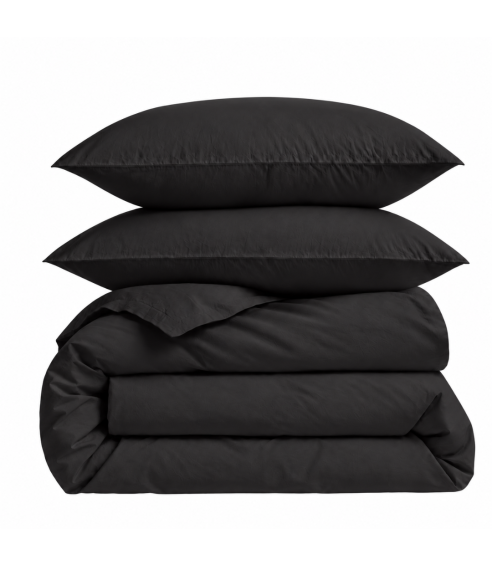
Premium Sateen Bedding Set „Midnight“
53,89€ 76,99€
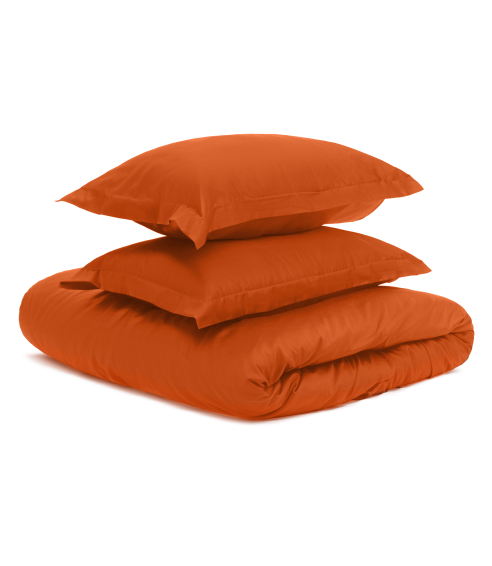
Premium Sateen Bedding Set „Yam“
35,50€ 70,99€
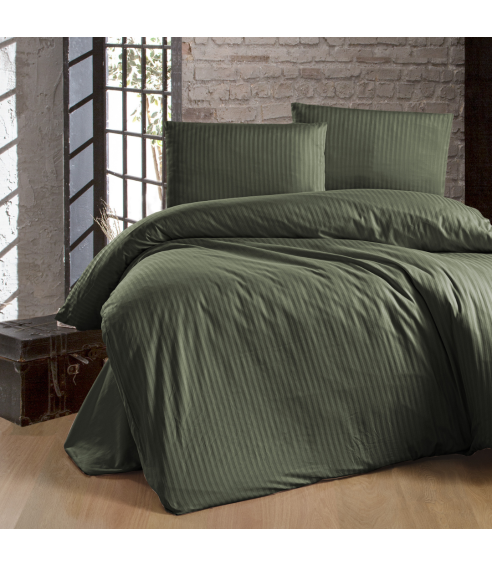
Premium Sateen Bedding Set „Dark Green Stripe“
49,69€ 70,99€
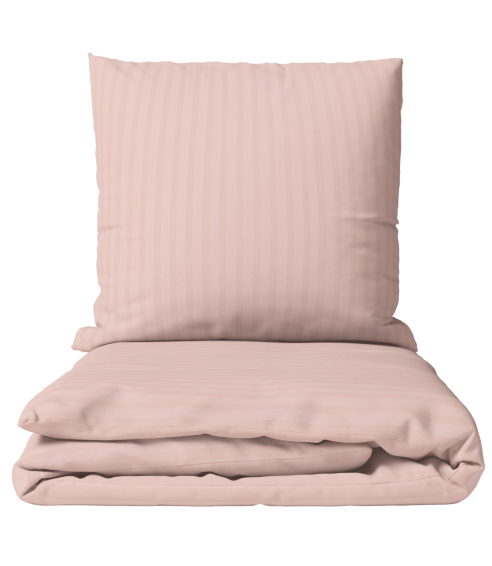
Premium Sateen Bedding Set „Peachy Stripe Satin“
42,59€ 70,99€
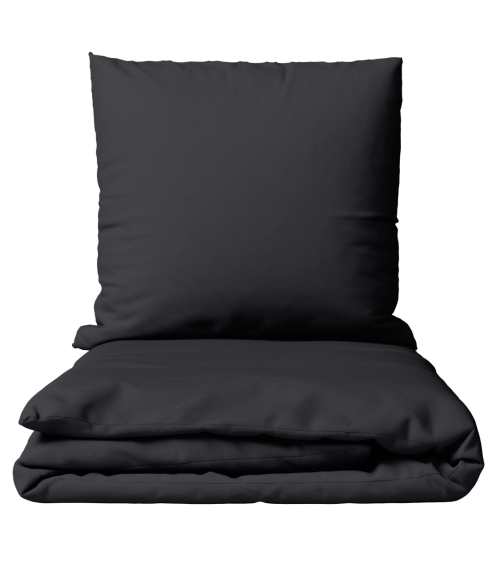
Premium Sateen Bedding Set „Graphite Satin“
46,19€ 76,99€
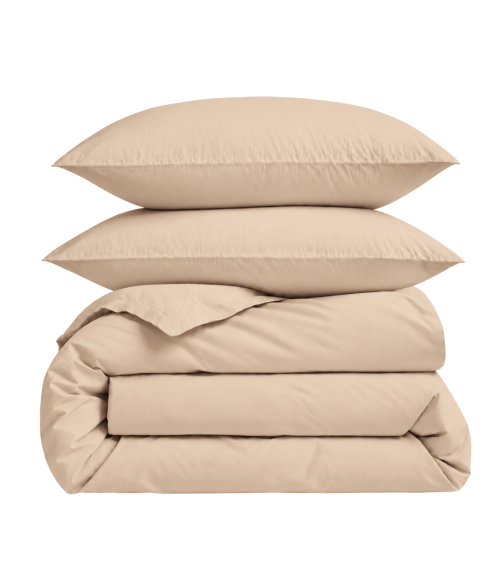
Bedding Set „Frappe“
29,24€ 44,99€
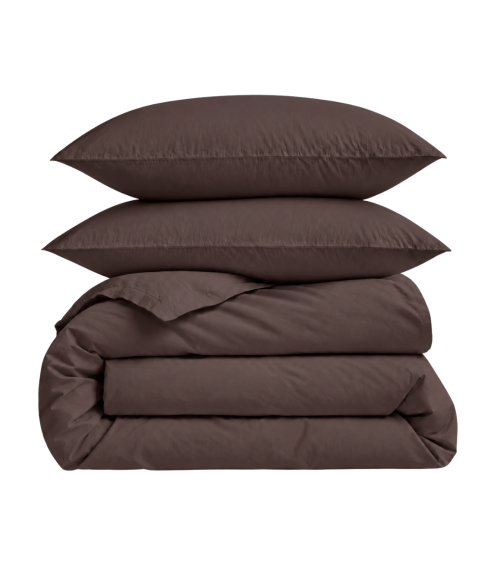
Bedding Set „Stucco“
29,24€ 44,99€
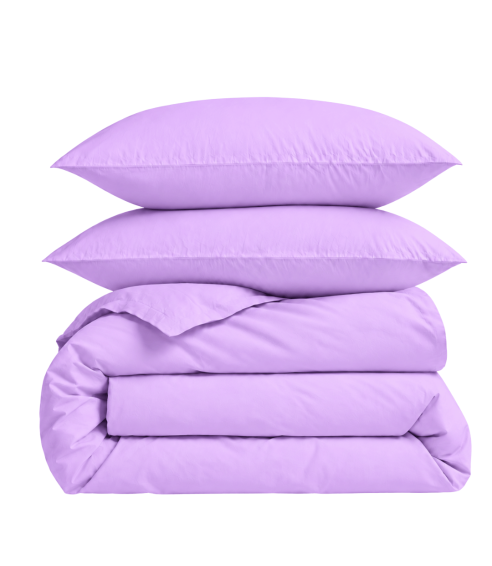
Bedding Set „Keepsake Lilac“
31,84€ 48,99€
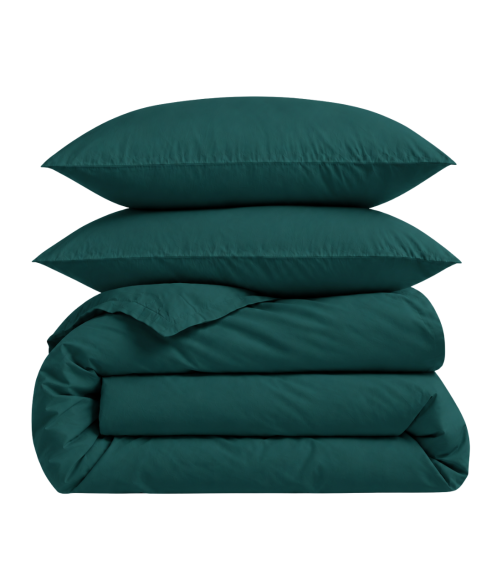
Bedding Set „Basil“
26,94€ 48,99€
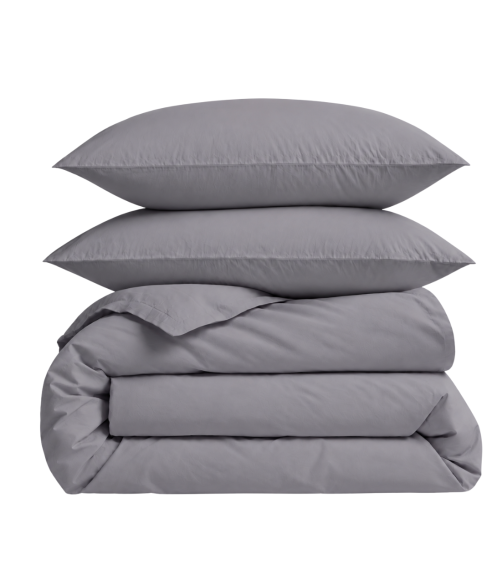
Bedding Set „Phantom“
31,84€ 48,99€
-cr-326x372.jpg "How to choose children's bedding: healthy sleep and the right materials")