
Herbs to Help You Fall Asleep: Natural Ways to Improve Sleep
We’ve all had nights when, despite our best efforts to calm a racing mind, it keeps racing until dawn. Studies suggest the key to better sleep may be a simple pre‑bedtime ritual. While a luxury soak every night would be ideal, finding even five minutes to unwind can be tough. Good news: we’ve done the legwork and found easy, time‑saving ways to relax. One of our favorites is aromatherapy and herbs. Here are seven natural botanicals to help you rest—and how best to use them.
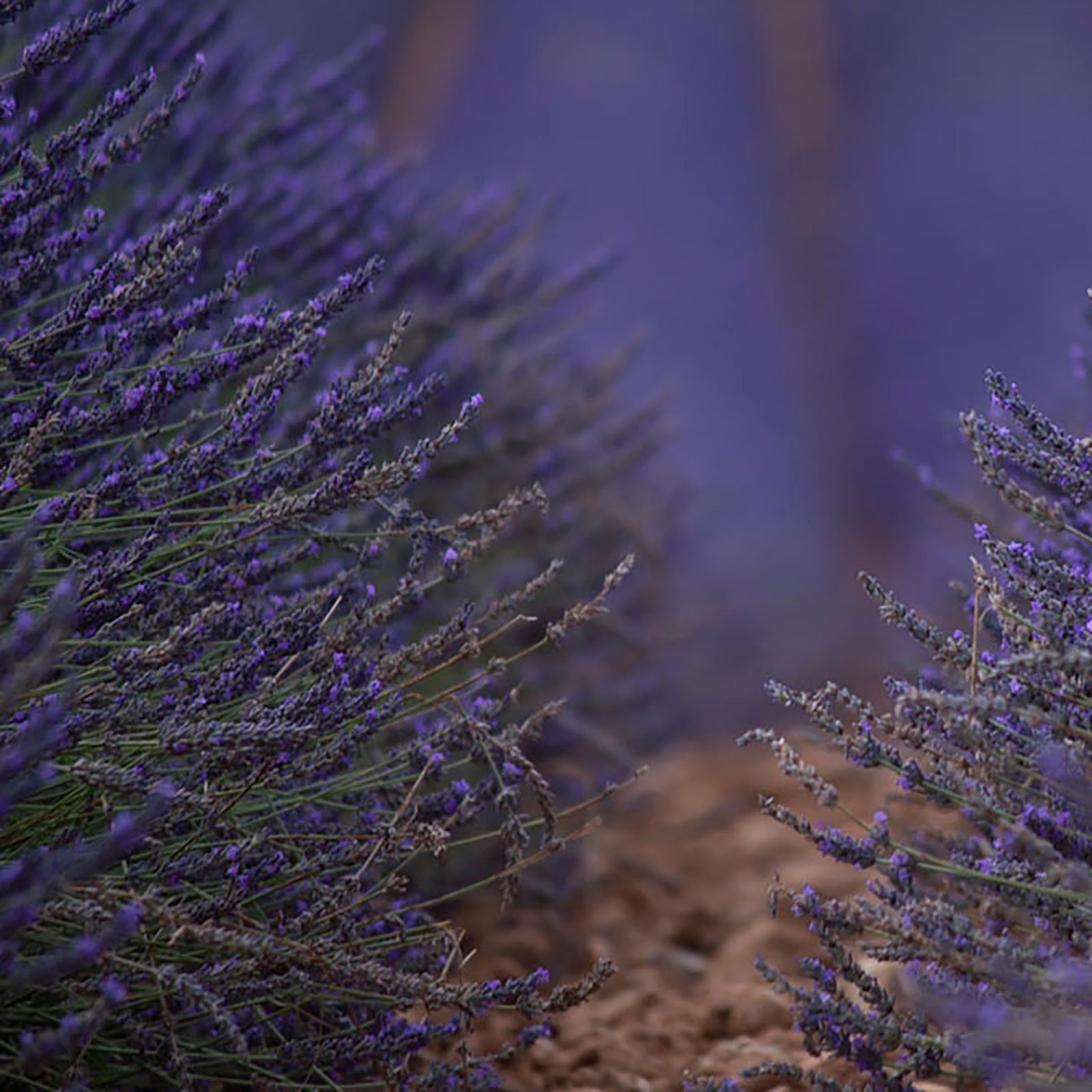
Lavender
Best for falling asleep
Lavender has aided sleep for thousands of years. This small purple flower is one of the most versatile herbs—used in essential oils, perfumes, topical products, candles, and more. Beyond pain relief, disinfection, and deodorizing, it’s prized for easing madness and preventing insomnia.
How to use: Mist onto your bedding. Lavender’s antibacterial properties also help keep linens fresh. Make your own spray by mixing 15–20 drops of lavender essential oil with alcohol as an emulsifier.
Chamomile
Best for relaxation
Chamomile tea has been a bedtime staple for most of our lives. Known as the “most soothing plant in the world,” it even helps ward off nightmares.
How to use: Drink as tea. Steep covered for at least 10 minutes to preserve its potency. You can also place a cotton ball soaked in chamomile oil beside your pillow for the same effect.
Valerian Root
Best for calming a racing mind
Used since antiquity by Chinese, Indian, Greek, and Roman cultures, valerian is an extremely potent relaxant—once called “All Heal” in medieval Europe. It treats anxiety, nerves, muscle spasms, and more.
How to use: Take in capsule form (300–900 mg about an hour before bedtime) to avoid its unpleasant taste. You can also brew it as a tea if you can tolerate the aroma. Studies show valerian works best when taken daily for several weeks; some may develop tolerance, so rotate it with other herbs.
Passionflower
Best for staying asleep
Until 1978, when studies were deemed insufficient, the FDA supported OTC passionflower for sleep. Its devotees praise it as a natural way to calm the mind and improve sleep quality.
How to use: Drink as tea (2–5 g per cup) several times daily, or take tincture (30–60 drops, 0.5–2 mL) three times daily. Finish your last dose about 30 minutes before bed.
Ylang Ylang
Best for overall relaxation
Ylang ylang’s scent is thought to influence the limbic system—which governs mood and the nervous system—promoting relaxation and lowering blood pressure.
How to use: Dilute ylang ylang essential oil in a carrier (e.g., almond oil) and apply to the skin, add a few drops to your bath, spritz on linens, or use in a diffuser.
Lemon Balm
Best for easing anxiety
This mint‑like plant has been used as a gentle sedative since the Dark Ages. Its active component, eugenol, helps induce sleep.
How to use: Combine with other sleep‑promoting herbs (like chamomile or valerian). Steep 1.5–4.5 g as tea, or take 60 drops of tincture daily.
Incorporate these herbs into your bedtime routine to drift off more easily—and sleep more soundly.
%20(1680%20x%202000%20px)%20(1680%20x%202000%20px)%20(1800%20x%201800%20px)-cr-326x372.jpg "Does a sleep mask help you sleep better?")
-cr-326x372.jpg "How to improve sleep quality and what hygiene practices to follow")