How to Care for Muslin Bedding: Washing, Drying and Longevity Tips
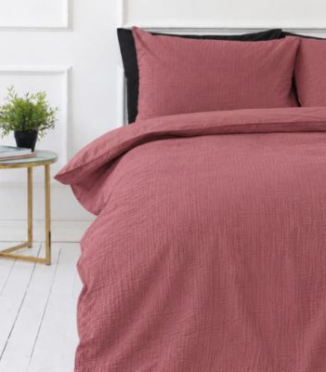
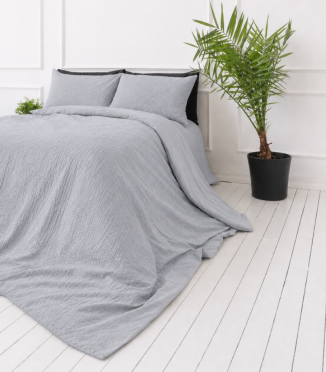
Muslin has become one of the most popular bedding fabrics in recent years — and for good reason. This lightweight, multi-layered cotton fabric becomes softer with every wash, breathes excellently and is suitable for both hot summer nights and the transitional season. However, precisely because of its structure — the loose weave and the naturally slightly wrinkled surface — muslin requires different care than regular satin or percale bedding. If cared for incorrectly, it can quickly pill, lose its shape or fade unevenly. In this article, we have gathered everything you need to know so that muslin bedding lasts for years and becomes even more comfortable with every wash.
Why Muslin Behaves Differently from Other Materials
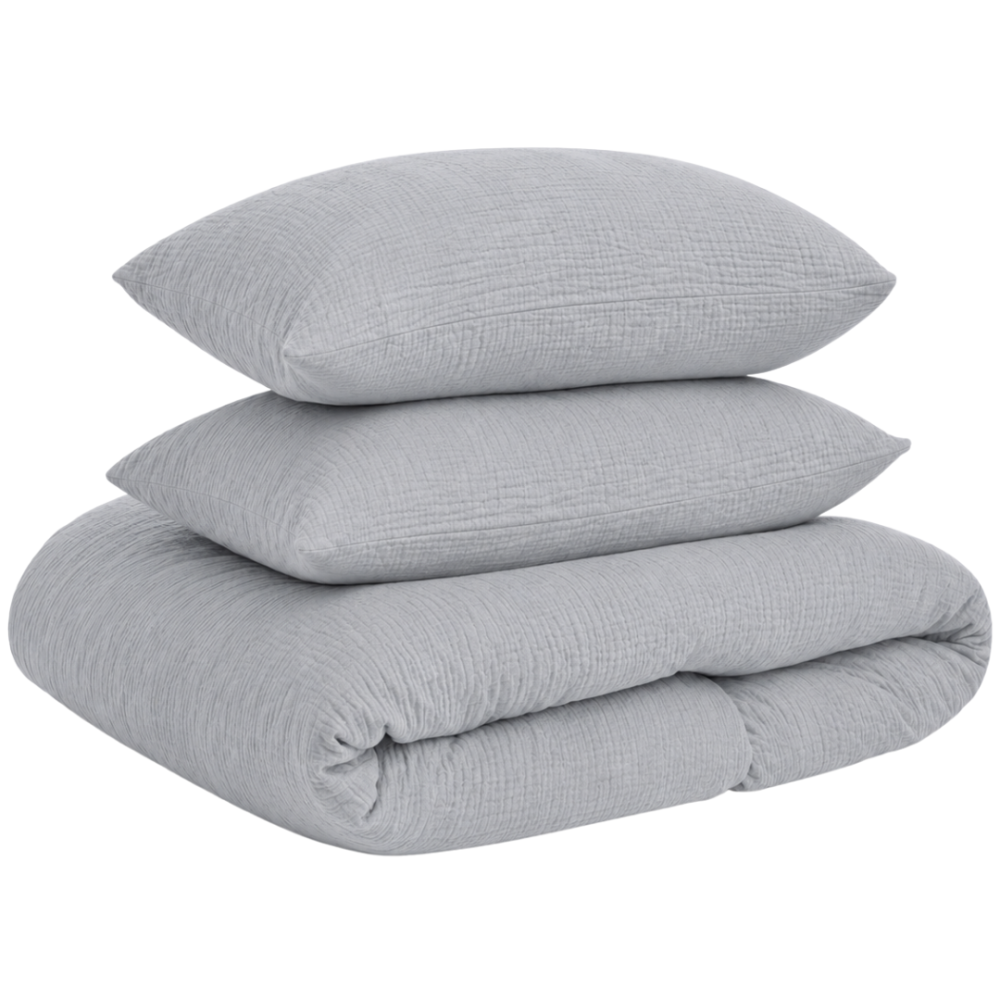
Muslin is usually woven from 4–6 thin layers of cotton stacked on top of each other and stitched together at points. This structure gives it its characteristic lightness and breathability, but also means the fabric is more sensitive to mechanical stress than more densely woven materials. That is why aggressive washing, excessively high temperatures or improper drying can damage the layer structure and shorten the lifespan of the bedding.
Washing Temperature and Frequency
The optimal temperature for washing muslin bedding is 30–40 °C. Higher temperatures can cause the cotton to shrink and accelerate colour fading, especially if the bedding is coloured or dyed with natural pigments. Light, white sets can occasionally be washed at up to 60 °C if you want to refresh the fabric more thoroughly, but this should not become a regular practice. Bedding is recommended to be washed once a week or every ten days, depending on the intensity of use. Muslin quickly absorbs moisture and oils, so washing too infrequently can encourage the fabric to yellow.
Which Detergent to Choose
Choose liquid, mild detergents without intensive bleaches or optical brighteners — these can gradually alter the natural shade of the cotton. Soap residues can soak into the thin muslin layers and create a stiff feeling, so it is better to use less detergent than indicated on the packaging and run an extra rinse cycle. Fabric softener is best avoided with muslin — it coats the fibres with a thin layer that over time reduces the fabric’s ability to breathe and absorb moisture, which goes against the very purpose of muslin.
Washing Programme: Gentleness is Key
- Choose a gentle or delicate fabric programme with reduced spin speed (up to 800–1000 rpm).
- Wash the bedding separately from heavier fabrics, buttons or zippers that can cause abrasion.
- Do not overload the washing machine — muslin fibres need space to move freely in the water to avoid pilling.
- A laundry bag provides excellent protection for thinner items if you wash them together with other products.
Drying: Where Most Mistakes Are Made
Drying is the stage where muslin bedding suffers most often. A few basic rules:
- Choose a low temperature. If using a dryer, select a gentle cycle with low heat or just an air-fluff setting. High temperatures cause uneven shrinkage between the different fabric layers.
- Dry naturally whenever possible. Muslin dries quickly thanks to its lightness, so drying on a line or drying rack in the shade is often the best choice — this preserves both colour and structure.
- Avoid prolonged direct sunlight. Short periods of sun help naturally bleach white bedding, but long-term exposure fades colours and weakens the fibres.
- Stretch it while still damp. Before drying, pull out the edges and corners so the fabric dries evenly and does not develop creases that are hard to smooth later.
Ironing and Storage
One of the characteristics of muslin bedding that people either like or find bothersome is the naturally slightly wrinkled surface. Most manufacturers do not even recommend ironing it, as this is part of the aesthetic. If you still want a smoother surface, iron the slightly damp fabric at a low temperature without intense steam. When storing bedding in the cupboard, choose fabric or paper packaging rather than airtight plastic bags — muslin needs to “breathe”, otherwise moisture and mildew smells can develop.
How to Extend the Lifespan of Muslin Bedding
- Wash new sets before the first use — this removes residual finishing agents from production and activates the characteristic softness effect.
- Cut off loose threads with scissors rather than pulling them — this protects against seams unravelling.
- Rotate several sets so that each one has time to “rest” between uses — this reduces overall wear.
- Avoid contact with sharp jewellery or pet claws, as the loose weave catches more easily than denser materials.
Properly cared for muslin bedding not only retains its softness longer, but becomes even more pleasant to sleep in with every wash — that is exactly why many people who have tried muslin bedding once never go back to traditional fabrics. If you are looking for high-quality muslin bedding that retains all these properties, choose Savashome – here you will find carefully selected, durable and truly cosy sets.