Linen or cotton bedding — what is the difference and what to choose
This is one of the most common questions people ask before buying new bedding. And it is a good question — because the difference between linen and cotton is real, tangible and can significantly affect sleep quality.
The short answer: neither is universally better. The better fit is the fabric that matches your sleep habits, body temperature and lifestyle. In this article we go through every important difference so you can make an informed decision.
.jpg)
Where these fabrics come from
Linen
Linen is made from the stalks of the flax plant (Linum usitatissimum). It is one of the world's oldest textile fabrics — linen fabrics have been found in Egyptian mummy tombs. Growing flax requires no artificial irrigation or pesticides — the plant grows naturally with rainwater and renews the soil. This makes linen one of the most ecological fabrics on the market.
European linen — particularly French and Belgian — is considered the highest quality. Lithuania also has a long tradition of flax growing.
Cotton
Cotton comes from the fruits of the cotton plant (Gossypium). It is the world's most widespread textile fabric — about 35% of all textile production. Cotton grows in warm climates — the largest producers are India, China and the USA.
Unlike linen, cotton requires large amounts of water and is often grown with pesticides — unless it is organic cotton.
Feel and texture
This is often the first thing people notice and talk about.
Cotton
Cotton is soft immediately — from the very first night. It is smooth, familiar and pleasant. It is the fabric most people have been used to since childhood, so cotton bedding often feels like a "home feeling" — familiar and comfortable.
Cotton's softness remains stable throughout the period of use, but the fabric can become rougher after many washes if a softener is used that coats the fibres.
Linen
Linen can feel slightly stiff at first — this is normal and often surprises first-time buyers. But after the first wash and drying the fabric begins to soften. After a few washes linen becomes truly soft — and that softness differs from cotton. It has a certain weight and structure that many describe as a "living" feeling.
What makes linen unique is that it improves with time. The more you use and wash it — the softer and more pleasant it becomes. It is one of the few fabrics that benefits from the passage of time.
Temperature regulation — the essential difference
This is perhaps the most important difference for people who sleep hot or get cold at night.
Cotton
Cotton is a breathable fabric that absorbs moisture well. But it absorbs moisture and retains it — which means that when sweating, cotton can become damp and feel wet against the skin. This can cause discomfort at night especially on hot summer nights.
Cotton is temperature-neutral — it does not heat or cool actively, it simply absorbs what comes.
Linen
Linen is a significantly more active temperature regulator. Its fibre is hollow — this allows air to circulate. Linen not only absorbs moisture but actively releases it into the air — which means the skin stays drier under linen bedding.
In summer linen cools — it removes moisture from the skin and lets it evaporate. In winter it warms — air pockets in the fibres retain heat. This makes linen an excellent choice year-round, particularly for people who fluctuate between too hot and too cold at night.
For people with night sweating problems, menopausal hot flushes, or simply those who sleep hot — linen often becomes the answer they were looking for.
Longevity
Cotton
Good cotton can last 3–5 years with regular use. High-quality cotton — Egyptian, pima or organic — can last longer. But over time cotton loses its shape, colour fades and the fabric thins.
Cotton's drawback is that it can shrink after washing — especially at high temperatures. Coloured cotton usually fades faster than natural colours.
Linen
Linen is one of the most long-lasting natural fabrics. Well-cared-for linen bedding can last 10–15 years — or even longer. Linen fibre is naturally stronger than cotton and grows stronger over time — not weaker.
Linen rarely shrinks, colour remains stable and texture improves. It is an investment that pays off in the long term.
Care
Cotton
Cotton is easy to care for — wash at 40–60°C, dry in the machine or naturally. It does not react to ordinary detergents and tolerates softeners (though they gradually worsen absorption).
Cotton can be ironed — and often needs to be as it wrinkles considerably after washing.
Linen
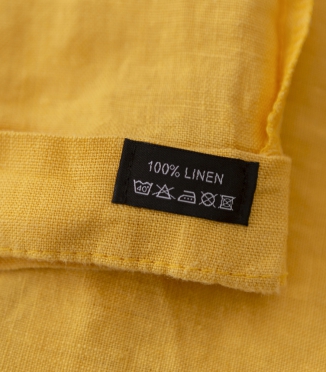
Linen is also uncomplicated from a care perspective. Wash at 40°C (60°C after illness or intensive use). Dry naturally or in the machine at low temperature. Important: never wring wet linen — this can damage the fibres.
Linen's characteristic — wrinkles. Wrinkles are normal for linen and even aesthetically valuable — it is the fabric's character. If wrinkles bother you, iron damp linen with steam. But many linen users never iron — and that is one of linen's advantages.
Ecological impact
Cotton
Conventional cotton is one of the most water-intensive crops — about 10,000 litres of water are needed to grow one kilogram of cotton fibre. Moreover cotton is grown with pesticides that harm soil and water.
Organic cotton is a better choice — it is grown without pesticides and often with less water. Look for the GOTS certificate.
Linen
Linen is ecologically one of the best choices. It grows with rainwater, requires no pesticides, and the entire plant is used — there is no waste. Flax growing actively improves the soil.
Moreover linen is biodegradable — at the end of its useful life it decomposes naturally, unlike synthetic fabrics.
Price
Cotton
Cotton is usually cheaper. It is the world's highest-volume fabric, so prices are more accessible. But high-quality cotton — long-fibre, high thread count — can cost just as much or more than linen.
Linen
Linen usually costs more than standard cotton. But considering longevity — the price per year is similar or even lower. Linen bedding that lasts 12 years is cheaper in the long term than three cotton sets in the same period.
Who suits cotton, who suits linen
Choose cotton if you:
Are buying bedding for the first time and want simply a soft familiar feel from the very first night. Have a limited budget and are looking for a good price-to-quality ratio. Sleep in a children's room — cotton is a safe and reliable choice for children. Consider the ability to iron important — cotton is easier to iron. Live in a cold climate and do not need active temperature regulation.
Choose linen if you:
Sleep hot or sweat at night. Value longevity and invest in quality for the long term. Consider ecological sustainability important. Like a natural authentic aesthetic — wrinkles do not bother you. Suffer from allergies — linen is naturally antibacterial and hypoallergenic. Want bedding that improves over time rather than deteriorating.
And if you cannot decide
There is a third way. Linen and cotton blends (usually 55% linen / 45% cotton) combine the advantages of both fabrics: cotton's softness from the first night and linen's breathability and longevity. This is a good compromise for those who want to try linen but are afraid of the initial stiffness.
But if you can — try genuine 100% linen. Most people who switch to linen say the same thing: "Why did I wait so long?"
Linen and cotton bedding — in various colours and sizes — can be found at Savashome.