Lyocell and Silk: Similarities and Differences
In recent years, lyocell has increasingly been compared to silk. Both fabrics are associated with luxury, softness and comfort, especially in the context of bedding and sleep quality. Although the feel may be similar, their origin, properties and practicality differ.

Similarities between lyocell and silk
Exceptional softness
Both lyocell and silk have a very smooth surface. They feel pleasant on the skin, reduce friction and do not create a rough sensation. For this reason, they are often recommended for sensitive skin.
Suitable for sensitive skin
Silk is a natural protein-based fiber of animal origin. Lyocell is technologically produced but also features a gentle structure and effective moisture management. Both can help reduce skin irritation.
Temperature regulation
Both fabrics adapt to body temperature. In summer they provide a cooling sensation, while in winter they help retain warmth.
Key differences
Origin and production process
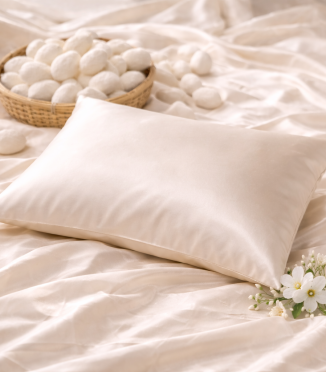
Silk is a natural fiber of animal origin obtained from silkworm cocoons. Lyocell is produced from wood cellulose using a closed loop production technology.
Care and practicality
Silk requires delicate care and often hand washing. Lyocell is more durable, easier to maintain and better suited for everyday use.
Durability
Silk can be more sensitive to mechanical damage. Lyocell is stronger and retains its shape better.
Price
Silk is usually more expensive. Lyocell offers similar softness at a more affordable price.
Which one to choose?
The choice depends on personal preferences. If you value traditional luxury, choose silk. If you prefer a practical and modern solution, lyocell may be the better option.
In conclusion, lyocell and silk share many similarities but differ in origin and practicality. If you are looking for high quality lyocell or silk bedding, visit Savashome and discover fabrics that improve your sleep quality.
%20(1680%20x%202000%20px)%20(1680%20x%202000%20px)%20(1800%20x%201800%20px)-cr-326x372.jpg "Why are silk pillowcases a great gift?")