
Night Sweating: main causes and when to be concerned
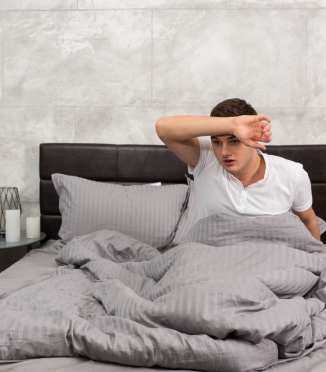
Night sweating is a phenomenon experienced by many people, although it is often not openly discussed. Waking up soaked in sweat, even when the room is not warm, can be both uncomfortable and worrying. Sometimes these episodes occur occasionally and are linked to harmless reasons, but frequent or intense night sweats may signal internal changes or underlying health issues. Understanding why it happens and when to be concerned is important for anyone seeking better well-being and quality sleep.

Overheating and sleep environment
The most common cause of night sweating is bodily overheating. If your bedroom is too warm, you use a thick duvet, or your bedding is made from synthetic, non-breathable materials, your body may struggle to regulate temperature during sleep. As a result, it begins to sweat naturally in an attempt to cool down. Emotional stress acts similarly — if the nervous system remains active during sleep, it can trigger excessive sweating.
Hormonal changes
Hormonal fluctuations can also lead to night sweating. This is particularly common in women going through menopause, when unstable estrogen levels affect the body's ability to control temperature. Similar symptoms may appear during pregnancy, after childbirth, or with thyroid disorders. Because hormones directly influence thermoregulation, any imbalance can intensify night sweat episodes.
Effects of medication
Night sweating sometimes occurs as a side effect of certain medications. Antidepressants, hormone therapy, some painkillers and fever-reducing medicine are among the most common causes. If sweating begins after starting a new medication, it is worth discussing this with your doctor — sometimes adjusting the dose or switching to an alternative treatment is enough.
Illness and infections
Night sweating may also be connected to various illnesses or infections. When the body fights viruses or bacteria, temperature rises and sweating becomes part of the cooling mechanism. This type of sweating is usually temporary and resolves once the illness passes. However, if night sweating continues for a long time without explanation, it may indicate metabolic disorders, sleep apnea, autoimmune conditions, diabetes or other health issues.
When should you be concerned?
It is important to know when night sweating is normal and when it requires medical attention. If it happens only occasionally — during hot nights, after active days, due to stress or changes in sleep environment — it is usually harmless. But if it occurs nightly, disrupts sleep, soaks your clothes or bedding, or appears together with symptoms like unexplained weight loss, fever, weakness or appetite changes, you should consult a healthcare professional.
How to reduce night sweating
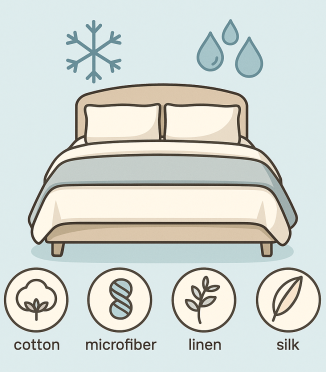
Even if night sweating is caused by harmless factors, it can significantly impact sleep quality. This is why improving the sleep environment is essential. A cooler room, lighter blankets and breathable bedding made from natural materials such as cotton, linen or bamboo help maintain stable body temperature. A consistent sleep schedule, stress reduction and sufficient hydration also contribute to improvement.
Choosing the right bedding
Well-selected bedding plays an important role in reducing night sweating. Natural fabrics like linen, cotton and bamboo are highly breathable, absorb moisture effectively and allow the body to stay cool throughout the night. Linen is especially effective — it evaporates moisture quickly and naturally regulates body temperature, making it ideal for people who tend to sweat at night. If you are looking for high-quality bedding that can help reduce overheating and improve sleep comfort, we invite you to visit the SAVAS Home online shop, where you will find a wide selection of natural, breathable textiles.
Conclusion
Night sweating is a common condition, but that does not mean you need to suffer in silence. By understanding its causes and observing your well-being, you can manage the situation more easily and restore calm, restorative sleep. And if sweating becomes persistent or concerning, a medical consultation will help identify the true cause and proper solution.

%20(1680%20x%202000%20px)%20(1680%20x%202000%20px)%20(1800%20x%201800%20px)-cr-326x372.jpg "Sleep apnea: causes, symptoms, and treatment")