
What is microfiber bedding and why is it worth choosing?
You are walking through the bedding section and see a label that says “microfiber, 120 GSM”. The fabric feels soft, the price is attractive – but what is really behind this name? And is it simply a cheap alternative to cotton, or a fabric with its own real advantages?
The answer is more interesting than you might expect.
What is microfiber really?
Microfiber is the term used for extremely fine fibers, usually made from polyester, polyamide, or a blend of the two. Fibers are generally considered microfiber when they are finer than 1 denier, meaning that a single fiber can be significantly thinner than a human hair.
It is precisely these ultra-fine fibers that give microfiber its characteristic properties. They can be woven very densely, creating a fabric that is smooth, lightweight and pleasantly soft.
During production, microfiber fabric may also undergo additional finishing. One of the most common methods is “brushing,” in which the surface of the fabric is mechanically brushed and softened. As a result, high-quality microfiber bedding can feel very soft from the very first use.
.jpg)
Three types of microfiber worth knowing
Not all microfiber is the same – and the difference between types can be significant.
Brushed microfiber – the most popular choice for bedding. The surface is additionally treated to make the fabric softer and cozier. Suitable for everyday use.
Peach skin microfiber – an especially soft fabric with a slightly velvety surface. It resembles a subtle matte fabric, making the bedding look more aesthetic and giving it a warmer, cozier feel.
High-density microfiber – a denser, more durable fabric that keeps its shape for longer. It is often used in bedding intended for intensive use, such as in hotels.
GSM – the number worth knowing before buying
GSM stands for grams per square meter and indicates the density and weight of the fabric. It is one of the most important quality indicators when choosing microfiber bedding.
50 GSM – an extremely lightweight and economical microfiber fabric. It is usually thinner, although its durability also depends on the fabric construction.
60–70 GSM – a lightweight microfiber fabric suitable for everyday use, quick-drying and easy to care for.
80+ GSM – a denser microfiber fabric with a sturdier feel. When comparing fabrics of the same composition and weave, it can generally be more resistant to frequent use.
Worth knowing: GSM does not tell the whole story about quality. Fiber quality, weaving technology and finishing also play an important role in the final result.
Why do people choose microfiber?
Softness from the first night
One of the biggest advantages is immediate softness. Thanks to the very fine fibers, the fabric feels soft and pleasant to the touch from the first use. There is no need to wait for the bedding to “soften” after several washes, as often happens with natural fabrics.
Care that is truly easy
Microfiber dries quickly after washing, wrinkles less and usually does not require ironing. If you live a busy lifestyle and want bedding that is ready to use straight from the washing machine, this is a meaningful advantage.
Durability you might not expect
Synthetic fibers are known for good resistance to stretching and mechanical wear. High-quality microfiber bedding can maintain its shape and appearance for quite a long time, even with frequent washing.
Colors that do not fade easily
Synthetic fibers absorb and retain dyes well, which means microfiber bedding often keeps its color intensity longer than cotton. This is especially relevant when choosing richer shades or patterned bedding.
A price that makes you happy
Compared with silk, linen or higher-grade cotton, microfiber is often the more affordable choice. It is an excellent option for those looking for a practical, economical solution – without compromising on comfort.
Where does microfiber fall short?
An honest picture must also include the disadvantages.
Breathability – this is the main compromise. Compared with cotton or linen, microfiber is less breathable. On hot summer nights, or for people who sweat while sleeping, this may be noticeable.
Synthetic composition – microfiber is not a natural choice. For those who consciously prefer plant-based or animal-derived fibers, this may be an important factor.
Static electricity – in some cases, especially in dry rooms or during the heating season, microfiber can become statically charged.
Moisture feel – cotton and linen absorb moisture better, providing a more natural, drier sense of comfort. Microfiber falls behind in this area.
Microfiber vs natural fabrics – a quick comparison
Compared with cotton: microfiber wrinkles less and dries faster, but cotton is more breathable and offers a more natural feel. Practicality versus naturalness.
Compared with linen: microfiber is soft from the start and more affordable, while linen is more durable and better at temperature regulation, though it may feel rougher at first.
Compared with silk: microfiber is more resistant to frequent washing and easier to care for, while silk is gentler on the skin and hair, but significantly more expensive and requires special care.
Who is microfiber bedding suitable for?
It is best suited for those looking for a practical, easy-care solution. It is a popular choice for student accommodation, rental apartments or as spare bedding for guests. Thanks to its affordable price, it is also a convenient option for those who want aesthetic bedding without exceeding a larger budget.
If naturalness, maximum breathability or a more eco-friendly choice is most important to you, it is worth considering cotton, linen or silk.
Frequently asked questions
Is microfiber bedding good?
Yes, if you value softness, easy care and an affordable price. It is especially suitable for everyday use.
Is microfiber breathable?
Less so than natural fabrics. For some people, it may feel like a warmer option, especially in summer.
What GSM is best?
In most cases, 60–80 GSM is considered optimal – a good balance between softness and durability.
Is it suitable for people with allergies?
Due to its dense structure, it may collect less dust, but for sensitive people, the most important things are regular washing and overall hygiene in the sleeping environment.
Does it need ironing?
Usually not – microfiber wrinkles less than many natural fabrics.
Summary
Microfiber is not an inferior version of cotton – it is a fabric with clear strengths and compromises. Softness from the first night, easy care, quick drying and an affordable price make it attractive for practical, everyday use.
However, if naturalness and maximum breathability are most important to you, natural fabrics remain the better choice.
At Savashome.com, you will find microfiber bedding as well as cotton bedding – choose what best suits your lifestyle and needs.
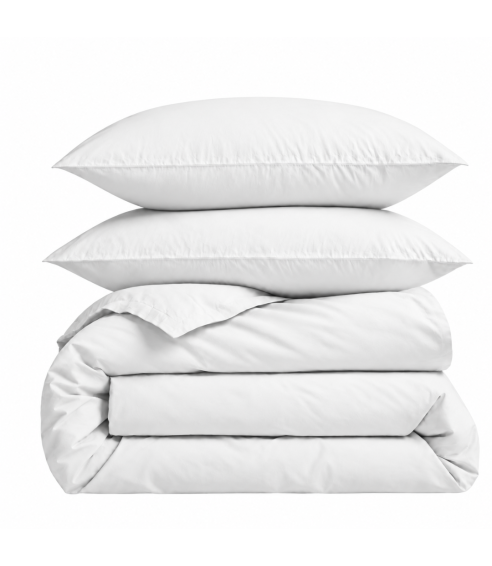
Bedding Set „Pearl“
26,94€ 48,99€
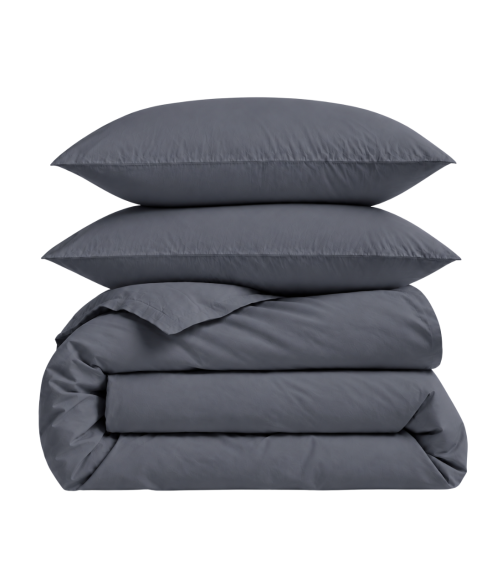
Bedding Set „Graphite“
26,94€ 48,99€
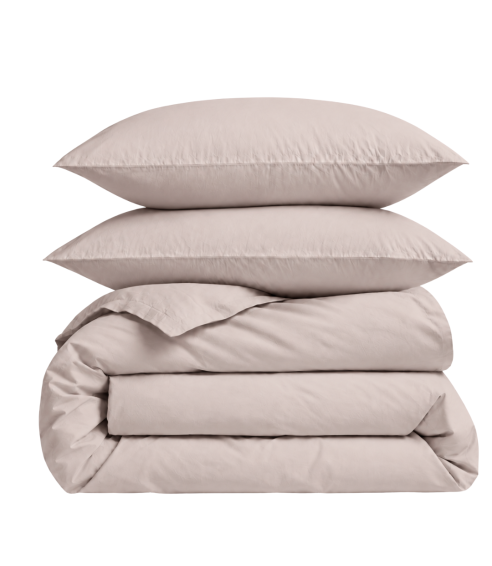
Bedding Set „Kremo“
22,50€ 44,99€
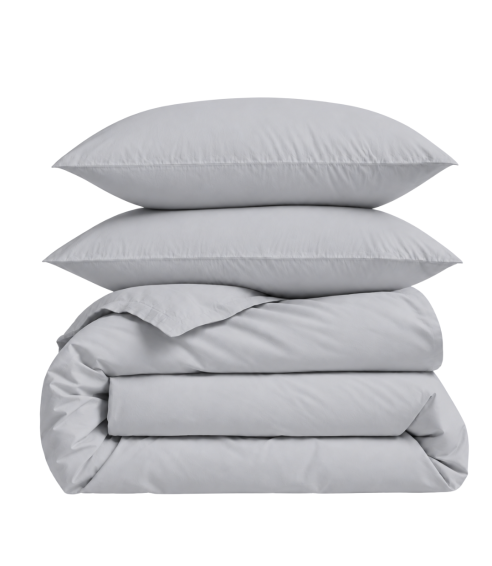
Bedding Set „Harbor“
26,94€ 48,99€
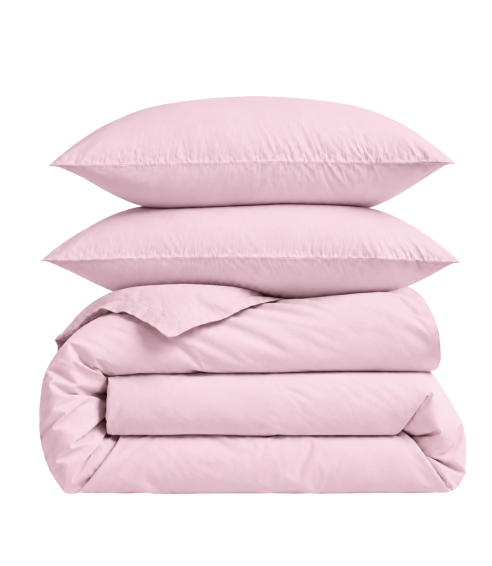
Bedding Set „Piggy“
22,50€ 44,99€
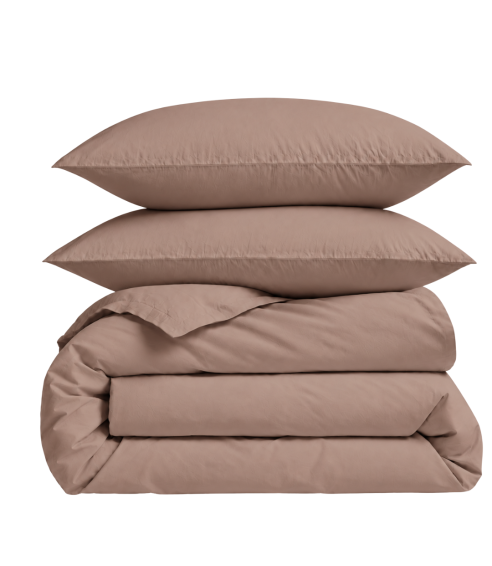
Bedding Set „Latte“
24,50€ 48,99€
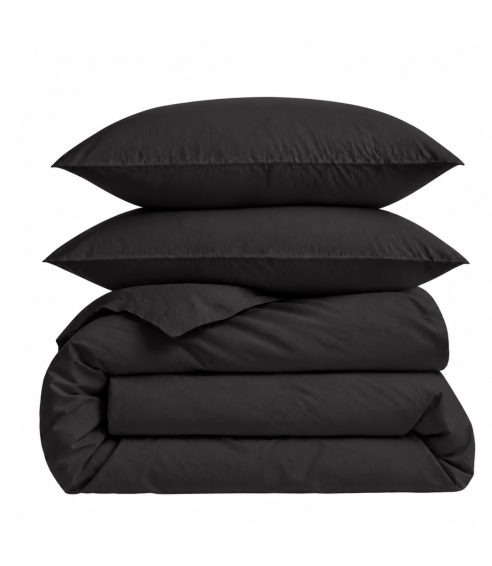
Bedding Set „Ozai“
26,94€ 48,99€
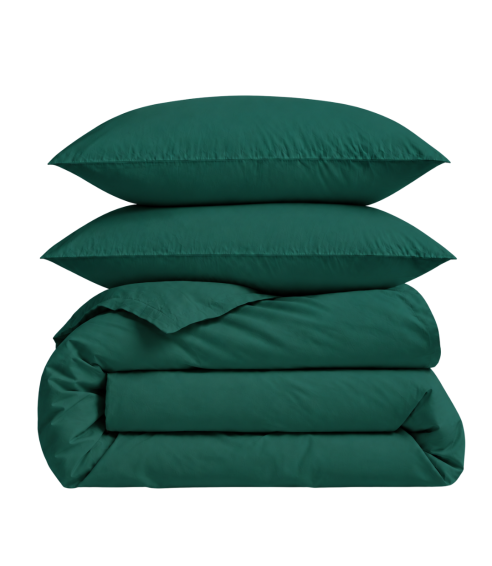
Bedding Set „Juniper“
24,50€ 48,99€
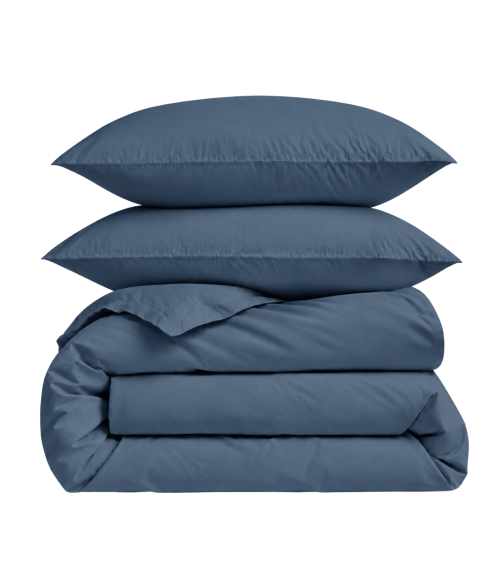
Bedding Set „Blue mirage“
21,56€ 48,99€
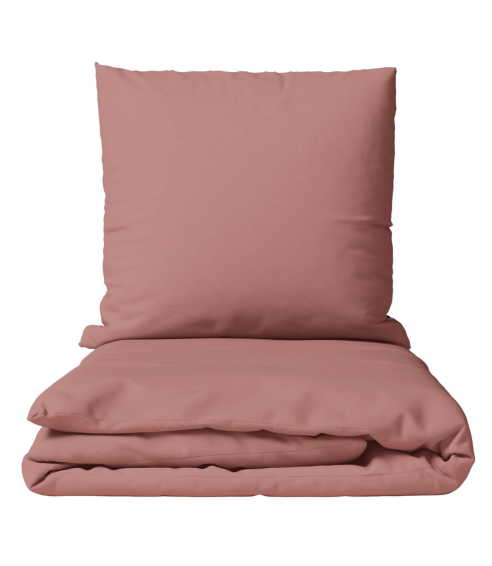
Bedding Set „Ash rose dark“
24,50€ 48,99€
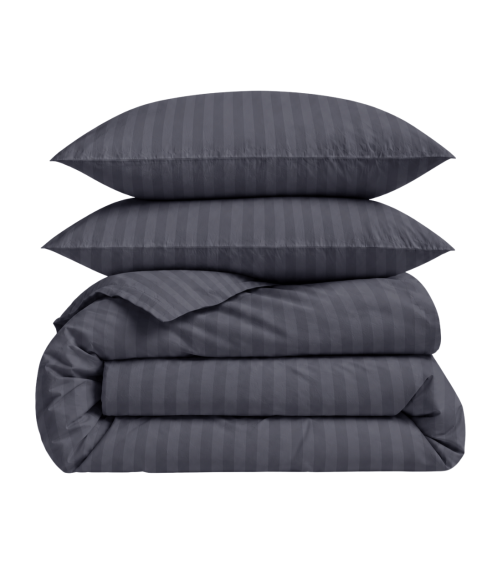
Bedding Set „Iron Stripes“
24,74€ 44,99€
%20(1680%20x%202000%20px)%20(1680%20x%202000%20px)%20(1800%20x%201800%20px)-cr-326x372.jpg "Best Fabrics for Bedding: A Comfort and Style Guide")
%20(1680%20x%202000%20px)%20(1680%20x%202000%20px)%20(1800%20x%201800%20px)-cr-326x372.jpg "Advantages and Care of Microfiber Bedding")
-cr-326x372.jpg "Microfiber Bedding Care: Practical Tips")