Which fabric is best for sensitive skin?
Sensitive skin requires special attention not only when choosing cosmetics but also in everyday surroundings. One often overlooked yet very important factor is the fabric that the skin touches for many hours a day, especially during sleep. Inappropriate bedding can cause irritation, redness or even worsen existing skin conditions. Therefore, it is important to know which fabrics are best suited for sensitive skin.
Why is fabric important for sensitive skin?
The skin regenerates at night, so sleep quality and the environment have a direct impact on its condition. If the fabric is rough, non breathable or retains moisture, it can increase friction and promote bacterial growth. This creates unfavorable conditions for sensitive skin prone to allergies or dermatitis.
A suitable fabric should be soft, breathable, regulate moisture well and not promote irritation.
The best fabrics for sensitive skin
Lyocell
Lyocell is considered one of the best choices for sensitive skin. This fabric has an exceptionally smooth structure that reduces friction between the skin and bedding. In addition, it effectively absorbs and releases moisture, helping the skin remain drier. Because of these qualities, lyocell is often recommended for people with sensitive or irritation prone skin.
Silk
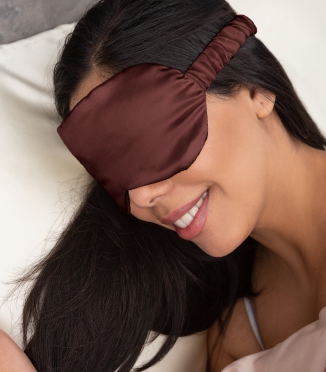
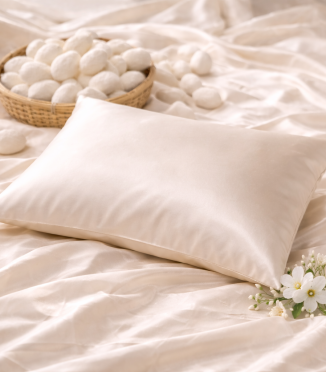
Silk is naturally soft and has a very smooth texture. It reduces pressure and friction, making it suitable for sensitive facial skin and hair. However, silk requires very delicate care and is more sensitive for everyday use.
High quality cotton
Natural, tightly woven cotton can also be a good option. It is important to choose soft, high quality fabric without synthetic additives. Lower quality cotton may feel rough and irritate the skin.
Which fabrics should be avoided?
Fabrics that do not breathe well and fail to regulate moisture effectively are generally unfavorable for sensitive skin. Synthetic fibers can trap heat and sweat, creating an environment for bacteria to multiply and increasing the risk of irritation. Over time, this may lead to redness, itching or an uncomfortable tight feeling.
It is also advisable to avoid rough, stiff or low quality fabrics that create greater friction. Continuous mechanical irritation during sleep may worsen the condition of sensitive skin.
How to choose the right bedding?
When choosing bedding for sensitive skin, pay attention not only to the composition but also to the finishing and quality of the fabric. A smooth surface, good moisture regulation and fibers of natural origin are usually safer choices.
If you are looking for soft and skin friendly bedding, choose high quality lyocell or silk products. Visit Savashome and discover fabrics that help create a comfortable and skin friendly sleep environment.
%20(1680%20x%202000%20px)%20(1680%20x%202000%20px)%20(1800%20x%201800%20px)-cr-326x372.jpg "Why are silk pillowcases a great gift?")