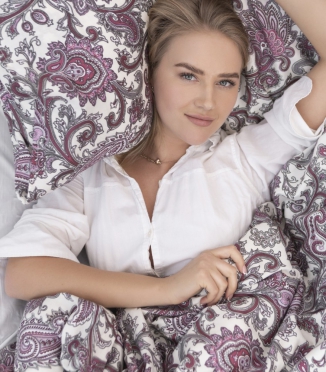
Satin Bedding: Why Is It So Soft, Who Is It For and How to Care for It
There is a certain feeling we all know. You slide into a freshly made bed, your skin touches the fabric – and that fabric is different. Softer. Smoother. Cooler. The first seconds after lying down are simply pleasant.
Most of the time it is satin. But what is it really – and does it genuinely suit you?

Satin – Not a Material but a Weaving Technique
This surprises many people. Satin is not a separate fabric – it is a weaving method. With satin technique you can weave cotton, silk or polyester. The result is always similar: a smooth, slightly lustrous surface, soft to the touch.
This means not all satin is the same:
Cotton satin – the best choice for bedding. Combines satin's softness and sheen with cotton's properties: breathable, temperature-regulating, hypoallergenic. Gets softer over time.
Synthetic satin (polyester) – cheaper, the sheen more prominent but less breathable. Can accumulate heat and static electricity. Suitable for those who prioritise aesthetics and low price.
Microfibre satin – light, dries quickly, practical. A good choice for those for whom easy care is most important.
Why Is Satin So Soft?
In traditional weaving threads cross each other at every intersection. In satin – one thread passes over several others before being woven in. This creates long, smooth thread runs on the surface.
The result: the skin touches as few intersections as possible – and this creates the characteristic silky feeling.
Who Is Satin Bedding Best Suited For?
People with sensitive skin. The smooth surface reduces friction against the skin – important for those with sensitive or irritation-prone skin.
Hair care. Satin reduces friction with hair – it breaks less and does not tangle during sleep. It is no coincidence that satin pillowcases are considered a beauty treatment.
Those who like an elegant bedroom appearance. Satin creates a subtle sheen that makes the bedroom more expressive. Does not wrinkle like linen, lies perfectly on the bed.
All seasons. Cotton satin suits both summer and winter – cools in summer, warms in winter.
Who does satin suit less? If you sweat intensively at night – linen or percale is a better choice. If you prefer a matt aesthetic – satin's sheen may look too ornate.
How to Care for Satin Bedding?
Satin requires a little more attention – but it is genuinely not complicated.
Washing: 30–40°C on a gentle programme. Higher temperatures can damage the lustrous surface.
Detergent: use a mild one. Avoid bleaches and fabric softeners – they damage the satin surface and reduce breathability.
Drying: naturally in the shade or in a tumble dryer at low temperature.
Ironing: satin irons easily. Iron while damp, at medium temperature, from the inside.
Summary
Satin bedding is a choice for those who want pleasure every morning and evening. Soft touch, elegant sheen, non-creasing surface – all of this makes it a special experience.
The most important rule: choose cotton satin, not synthetic. The difference is not just aesthetic – it is felt every night.
At Savashome.com you will find satin bedding made from natural cotton – elegant, soft and created for those who value quality. Choose bedding that turns every night into a pleasure.
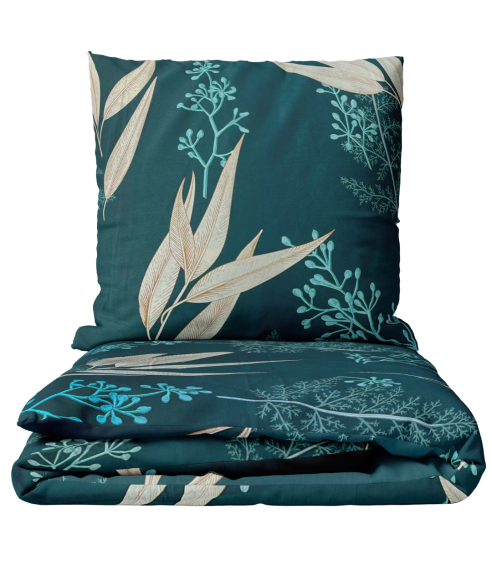
Sateen Bedding Set „Premium Verdure“
61,99€
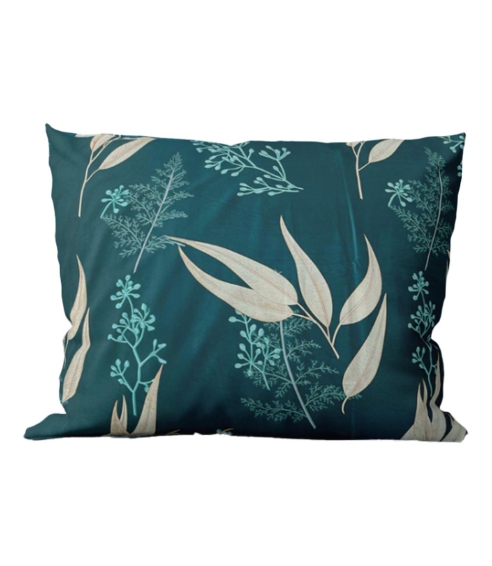
Satin pillowcase “Premium Verdure”
5,99€ 9,99€
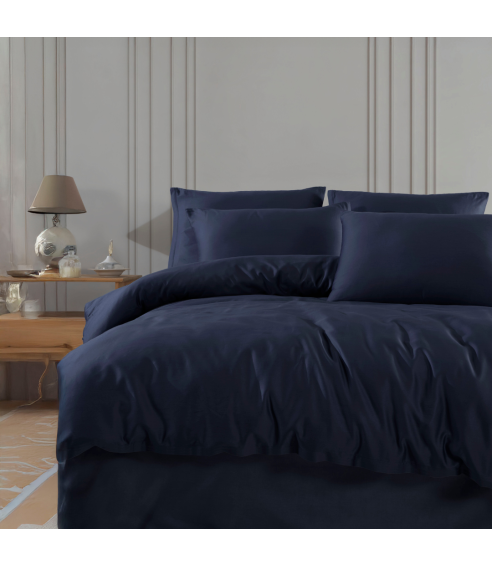
Premium Sateen Bedding Set „Navy Blue“
39,04€ 70,99€
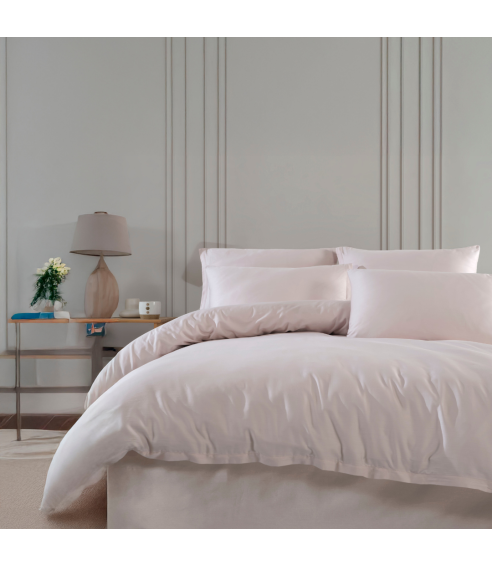
Premium Sateen Bedding Set „Beige“
39,04€ 70,99€

Sateen Bedding Set „Premium Laurel“
43,39€ 61,99€

Satin pillowcase “Premium Laurel”
7,19€ 11,99€
%20(2)-cr-326x372.jpg "Satin Bedding Care")