Why does white bedding turn yellow and how can you prevent it?
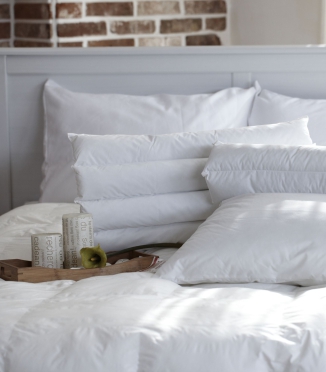
White bedding is often associated with cleanliness, freshness and a well kept bedroom. It looks light, works with many different interiors and creates the same crisp feeling we often associate with hotels. At the same time, the white colour also makes everyday marks and residue much easier to notice.
After a few months of use, white bedding may no longer look as bright as it did when it was new. Sometimes the fabric develops a slightly yellowish tone, especially on pillowcases or in areas that regularly come into contact with the skin.
This does not necessarily mean that the bedding is poor quality. In most cases, yellowing happens gradually and is linked to the way the bedding is used, washed and cared for.
Sweat is one of the most common causes
We sweat while sleeping even when we do not feel particularly warm.
Some of that moisture evaporates, but some is absorbed by the pillowcase, sheet and duvet cover. Natural skin oils are also transferred onto the fabric at the same time.
After one night, this is almost impossible to notice. But after repeated use and washing, these substances can slowly build up within the fibres.
As a result, the white colour may begin to look warmer, more yellow or simply less bright.
Pillowcases are usually the first place where this becomes noticeable because they remain in direct contact with the face and hair throughout the night.
Cosmetics can also leave marks
Night creams, serums, facial oils, self tanning products and haircare products can affect the colour of bedding more than you might expect.
Even when a product no longer feels noticeable on the skin, some of it may still transfer onto the pillowcase.
Yellowish marks are especially common where the fabric comes into contact with the face, neck or hair.
If you use richer skincare products in the evening, it is worth giving them some time to absorb before going to bed. This will not eliminate the problem completely, but it can reduce the amount of product that ends up on the fabric.
Too much detergent can make the problem worse
One of the most common mistakes when caring for white bedding is using too much detergent.
It may seem logical that more detergent should keep white fabric cleaner. However, the washing machine may not always rinse away an excessive amount properly.
Detergent residue can remain between the fibres. Over time, it can combine with skin oils, sweat and other dirt.
The result may be the opposite of what you expected. Instead of looking whiter, the bedding can start to appear grey or yellow.
For this reason, it is best to follow the detergent manufacturer's recommended dosage and avoid adding extra simply because the bedding is white.
Washing too infrequently allows dirt to settle deeper
White bedding quickly reveals how often it is actually used.
When it is washed too rarely, sweat, body oils and cosmetic residue have more time to settle deeper into the fibres.
The longer these remain in the fabric, the harder they can be to remove during a normal wash.
For many people, changing bedding approximately every one or two weeks is a practical routine.
However, there is no single schedule that suits everyone. If you sweat heavily at night, sleep in a very warm room or use a lot of body care products, changing your bedding more often may be worthwhile.
Why do pillowcases turn yellow first?
If the rest of the bedding set still looks quite white but the pillowcases have already started to yellow, this is completely normal.
Pillowcases receive the most direct contact.
Natural oils from the face, haircare products, sweat and cosmetics all end up on the pillow during the night.
Because of this, pillowcases often need slightly more attention than the rest of the bedding.
If you notice that they are beginning to change colour, washing them more frequently is usually better than waiting until the yellowing becomes very obvious.
Does hotter water help keep bedding white?
Not always.
It is easy to assume that white bedding should always be washed at the highest possible temperature. In reality, the fabric itself matters more than the colour.
Start by checking the care label.
Many cotton bedding products can be washed at 40 °C. Some can tolerate higher temperatures, but this should always be permitted by the manufacturer.
Using very hot water every time does not necessarily keep bedding whiter and may cause some fabrics to wear out faster.
Regular washing and preventing dirt from building up are usually more important.
Be careful with bleach
When white bedding begins to turn yellow, bleaching can seem like the obvious solution.
However, strong bleaching products should not become the main method of caring for white bedding.
Some bleaches can weaken fabric fibres. The result may look good after one wash, but repeated use can make the material wear out faster.
Not every fabric can be bleached either.
Always check the care label before using a stronger product.
If the white colour has only lost some of its brightness, it is worth reviewing your usual washing routine first. Sometimes using less detergent and washing more frequently is enough.
Avoid washing white bedding with coloured fabrics
Even high quality coloured fabrics can release very small amounts of dye during washing.
You may not notice any difference after one wash. Over time, however, white bedding can lose its clean appearance.
For this reason, it is best to wash it separately or together with other white textiles.
It is a very simple habit, but it can help preserve a brighter white colour for longer.
Do not forget about the washing machine
Sometimes the problem is not the bedding at all, but the washing machine itself.
Detergent residue, dirt and moisture can build up in the detergent drawer, rubber seals and drum.
If the machine is not cleaned for a long time, some of this residue can eventually end up on your laundry.
It is therefore worth cleaning the detergent drawer and rubber parts regularly and running an empty cleaning cycle according to the washing machine manufacturer's recommendations.
This is useful not only for white bedding but for all laundry.
An overloaded washing machine cleans less effectively
When trying to save time, it is easy to put too much laundry into the machine.
This is especially relevant with bedding because it takes up a lot of space and absorbs a large amount of water during washing.
If the drum is overloaded, the bedding cannot move freely. This means that water and detergent cannot reach the entire surface as effectively.
Rinsing also becomes less efficient.
If you want white bedding to be properly cleaned, it is better to leave a little more room in the drum.
Can sunlight help keep white bedding white?
White cotton fabrics are often air dried in a bright place.
Even here, it is important to follow the care recommendations for the specific product.
The most important thing is to make sure the bedding is completely dry before folding it and placing it in a cupboard.
Damp textiles stored in an enclosed space can develop an unpleasant smell and lose their fresh feel.
If you use a tumble dryer, avoid unnecessarily high temperatures, especially if the manufacturer recommends a gentler setting.
Can already yellowed white bedding be saved?
Often, yes.
If the fabric is still in good condition, there is no reason to throw it away simply because the colour has changed.
Start with the basics.
Wash white bedding separately, reduce the amount of detergent, treat stains before washing and follow the temperature recommended by the manufacturer.
If the fabric allows it, you can also use a product designed specifically for white textiles. It is always best to begin with the gentlest option.
If the yellowing has built up over a long period of time, the bedding may not return to bright white after just one wash.
How can you keep white bedding white for as long as possible?
The biggest difference usually comes not from one special product but from simple everyday habits.
Do not allow bedding to accumulate sweat and body oils for too long. Use only as much detergent as you actually need. Wash white fabrics separately and avoid overloading the washing machine.
Do not forget the care label either. White colour does not mean that every fabric can be treated in the same way.
Cotton, satin, linen and other materials may all have different care requirements.
Final thoughts
White bedding usually does not turn yellow suddenly. The colour changes gradually because of sweat, body oils, cosmetics, detergent residue and everyday use.
That is why it is better not to wait until the fabric becomes visibly yellow.
Regular washing, the correct amount of detergent, quick stain treatment and proper care can help white bedding stay fresh, clean and bright for much longer.
If you are looking for white bedding for your bedroom, SAVAS Home offers white bedding in different materials, sizes and designs, so you can choose the option that best suits your sleeping habits and preferred fabric feel.