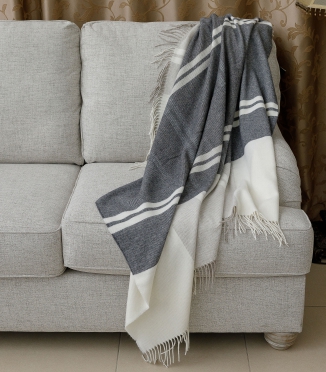
How to choose the right throw blanket?
As the cold season arrives, we spend more and more time at home. Chilly evenings and lengthening nights make us think about how to fill our free time and what fun things we can do indoors. Perhaps the most popular pastime is reading—wrapping ourselves in a large, soft throw with a cup of tea and enjoying a favorite book. What could be more relaxing? A cozy, warm home environment will certainly lift your spirits when you can’t spend as much time outdoors. It’s important to look after your own and your loved ones’ warmth.
A Wealth of Throws
Today, throws come in an incredible variety: natural fibers, synthetics, thick, thin, and in every color imaginable. How do you choose the right one? The most important thing is to know what purpose the throw will serve in your home. Will it be purely decorative? Will you use it to help soothe a baby to sleep? Or maybe you just want something to wrap around yourself while sipping coffee on the veranda? Once you clarify your needs, selecting the perfect throw becomes much easier.
Choosing the Right Fiber
A throw’s composition has a major impact on its thermal properties and breathability. Here’s a quick guide to common throw fibers:
-
Sheep’s Wool
The original throws were made of natural sheep’s wool. Used both outdoors and indoors in place of a blanket, wool throws are exceptionally warm. They also make great extra layers on cold nights. These thicker throws breathe well and absorb moisture, which is why they’ve been prized for centuries. A wool throw also makes a wonderful gift for someone who values high-quality, time-tested items that last. And if you worry that sheep’s wool might feel scratchy, you can always opt for a finer-quality wool. -
Camelhair
Among the most luxurious throws are those made from camelhair. This fiber is highly valued because camels are relatively rare, their hair is harvested by hand, and processing is complex. Since camels endure both extreme cold and heat (over 40 °C), camelhair throws will keep you warm in winter without overheating you in summer. Plus, they stay beautiful for years—you just need to shake them out and air them occasionally. A camelhair throw makes an especially elegant gift for anniversaries or other milestones, accompanied by warm wishes. -
Linen and Cotton
Linen throws are growing in popularity. These natural-fiber throws absorb moisture well, help regulate body temperature, and resist dust accumulation. They’re easy to care for—machine washable—making them ideal for homes with pets or children, since you won’t be stuck hand-washing them.
Cotton throws are favored by people with allergies to various fabrics or household dust. They can be washed at very high temperatures, so you’ll find many options suitable for babies. Cotton is soft and breathable, ensuring comfort for sensitive skin.
%20(800%20%C3%97%201000px)%20(1000%20%C3%97%20600px)%20(300%20%C3%97%20150px)%20(300%20%C3%97%20200px).jpg)
-
Synthetics
Synthetic throws aren’t a bad choice—in fact, they’re perfect if you often use a throw in place of a sweater or extra layer of clothing. Synthetic-fiber throws are the lightest, making them great for children or older adults who might struggle to lift a heavy wool blanket. Their lower price also suits anyone who likes to refresh their décor frequently without spending a lot.
Polyester throws come in endless sizes and colors, so you can easily find one that complements your interior and adds coziness. Most are machine-washable. Acrylic throws feel very similar to cashmere—often used for baby clothes because they’re non-irritating. They’re soft, warm, and won’t “itch.” Fleece throws, used even for outerwear and pajamas, are lightweight, fluffy, and easy to care for. They’re ideal for children, outdoor use, or as a home décor accent.
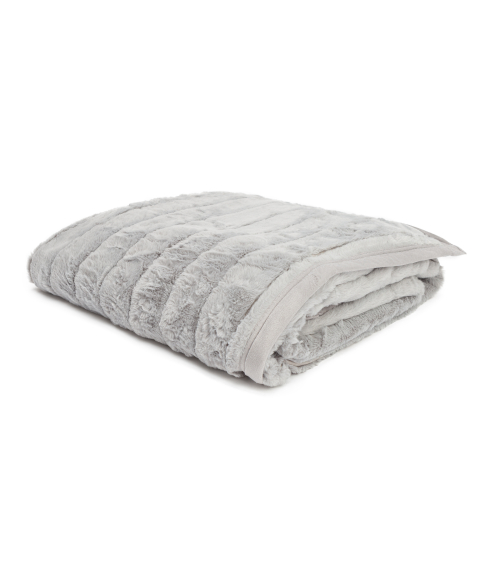
Plaid „Harbour grey“
28,99€
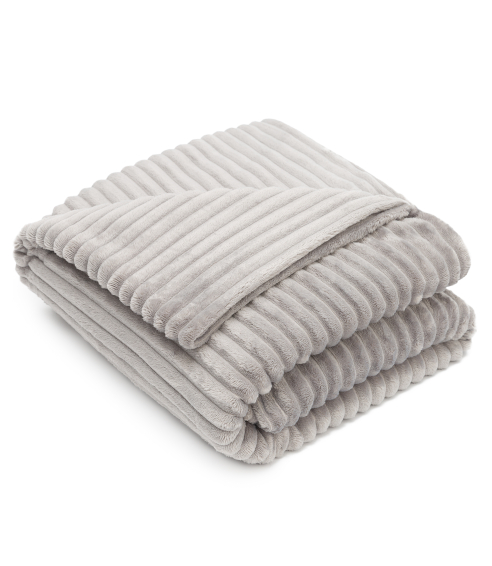
Blanket „Ancient fleece blanket“
28,99€
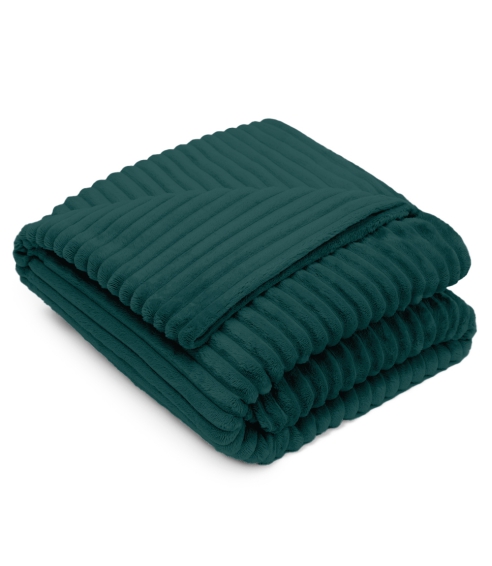
Plaid „Emerald fleece blanket“
24,99€
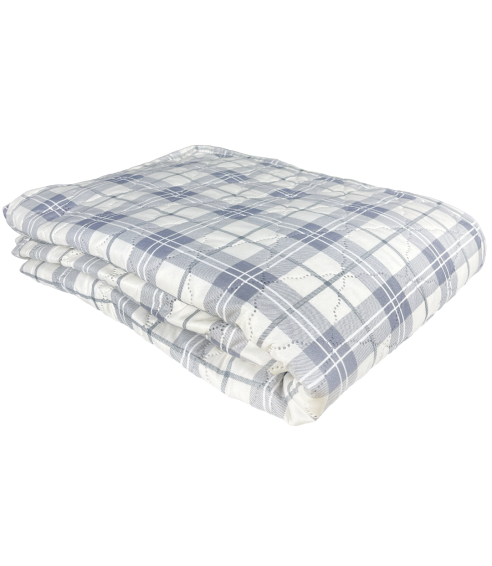
Bedspread “Neutral Balance”
19,99€ 24,99€
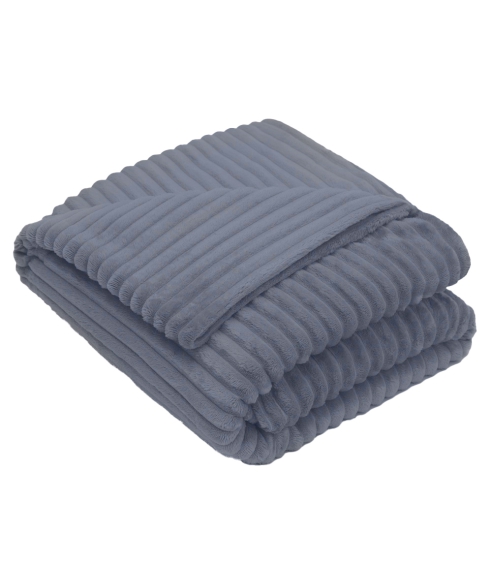
Plaid „Blue Shadow fleece blanket“
24,99€

-cr-326x372.jpg "Why Is It Worth Making Your Bed Every Day? Reasons That Might Surprise You")