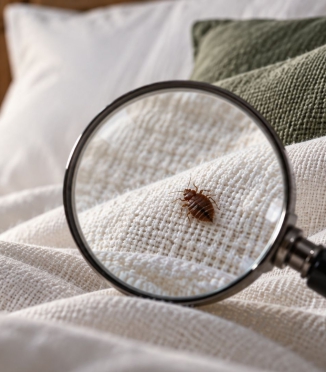
Dust Mites in Bedding: Allergies and Health
We spend about a third of our lives sleeping, so impeccable bedding cleanliness and quality are vital not just for comfort but for health. One of the most persistent “residents” in sleep environments is dust mites: their microscopic feces and body fragments can trigger allergies, respiratory issues, and sleep disturbances. In this article, we explain what dust mites are, the health problems they cause, and—most importantly—how to effectively prevent them.

What Are Dust Mites?
Dust mites are microscopic arachnids in the order Acarina. The most common species are Dermatophagoides pteronyssinus and Dermatophagoides farinae. They live 2–3 months on soft surfaces—mattresses, pillows, duvets, and carpets—where they feed on shed human skin cells, as well as microorganisms and fungi in dust.
-
Preferred Conditions: 50–70% relative humidity and 20–25 °C—typical bedroom microclimates.
-
Size & Appearance: 0.2–0.3 mm long, invisible to the naked eye, inhabiting porous fabrics and plush fillings where they hide and breed.
-
Reproduction: A single female can lay hundreds of eggs in warm, humid conditions, leading to tens of thousands of mites in one mattress.
-
Allergen Source: Mite feces and body particles contain potent allergens that become airborne and provoke inflammatory responses in sensitive individuals.
Allergies & Health Issues
-
Allergic Asthma: Mite proteins (e.g., Der p 1) can trigger bronchospasm, coughing, and wheezing.
-
Rhinitis: Sneezing, nasal congestion, and watery eyes—especially upon waking.
-
Atopic Dermatitis: Skin rashes and itching, particularly in children and sensitive individuals.
-
Sleep Disruption: Persistent sneezing and congestion make falling and staying asleep difficult.
Recognizing Dust Mite Presence
-
Sneezing or nasal itching during or immediately after sleep
-
Excess humidity and a musty smell in the bedroom
-
Positive allergy test or specialized bedding dust assay
Effective Prevention Measures
-
Hot Washing: Launder bedding at ≥ 60 °C every 1–2 weeks.
-
Allergen‑Proof Covers: Encasing mattresses and pillows in micro‑sealed covers prevents mite infiltration.
-
Humidity & Temperature Control: Maintain 40–60% humidity and 18–22 °C; ventilate or use a dehumidifier.
-
Regular Bedding Refresh: Change pillowcases every 1–2 months and mattress/pillow encasements every 2–3 years.
-
Natural, Breathable Fabrics: Cotton, linen, or high‑quality hypoallergenic linens reduce moisture buildup and skin irritation.
Recommended Bedding Choices
-
Encasements: Micro‑sealed covers (200–300 TC) that block mites and their allergens; wash at ≥ 60 °C biweekly.
-
Fabrics: 100% cotton or high‑thread‑count linen (barrier to mites yet breathable); bamboo fiber for natural antibacterial and moisture–regulating properties.
-
Durable Covers: Choose covers that withstand high‑temperature laundering without damage.
Where to Buy?
Visit Savashome online store for a wide range of allergen‑proof, hypoallergenic, and natural‑fiber bedding sets. All products are designed for frequent washing and long-lasting use, helping you eliminate dust mites and improve sleep quality.
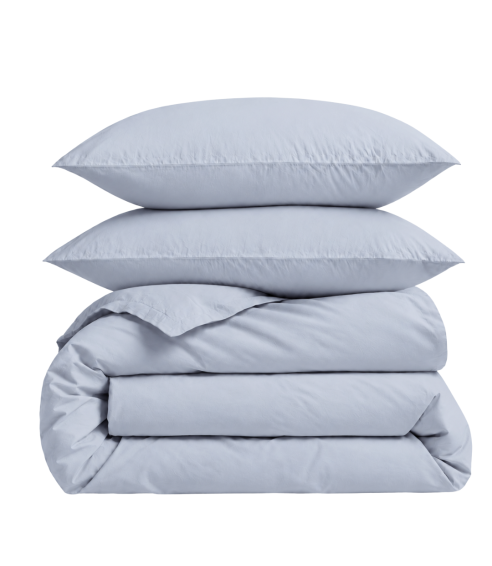
Premium Sateen Bedding Set „Classic grey“
49,69€ 70,99€
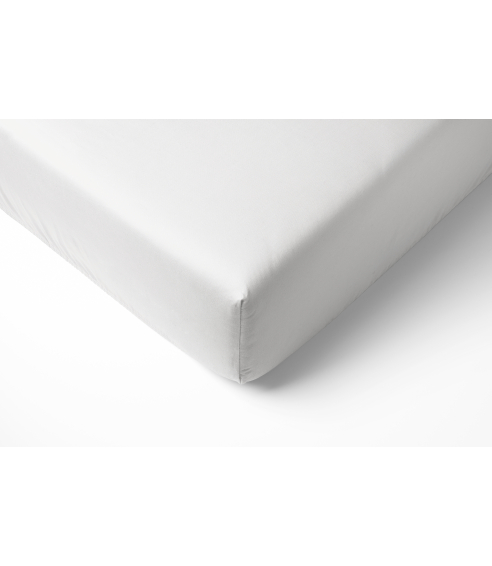
Fitted Sheet „White“
24,99€
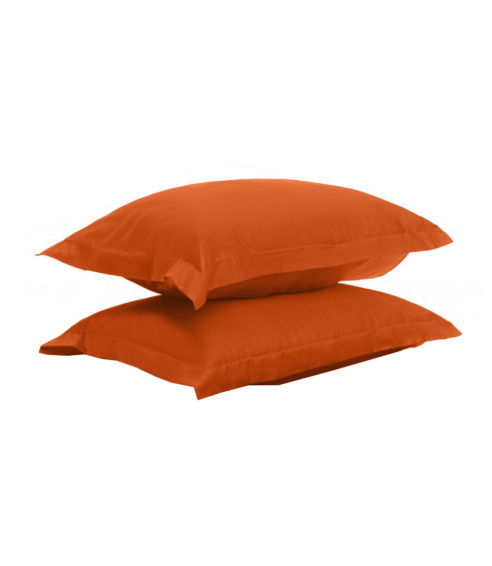
Premium satino pagalvių užvalkalai „Yam“ 1 vnt.
5,60€ 13,99€
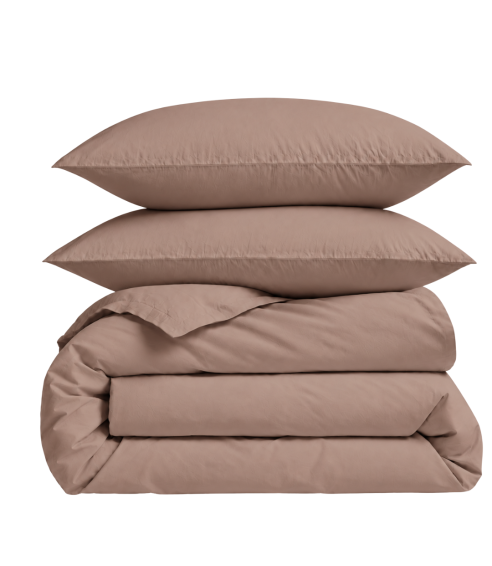
Bedding Set „Latte“
24,50€ 48,99€
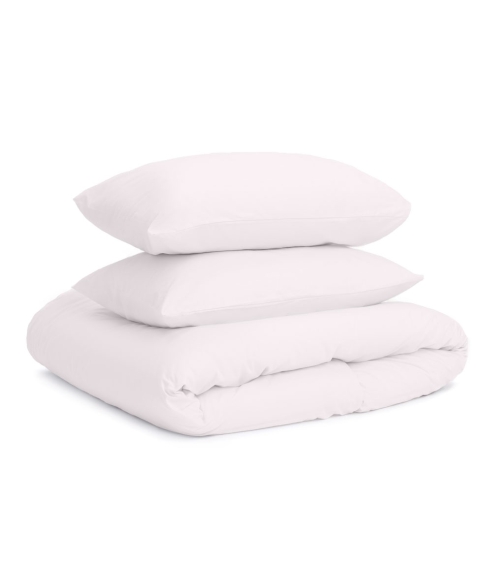
Premium Sateen Bedding Set „Crystal“
46,19€ 76,99€
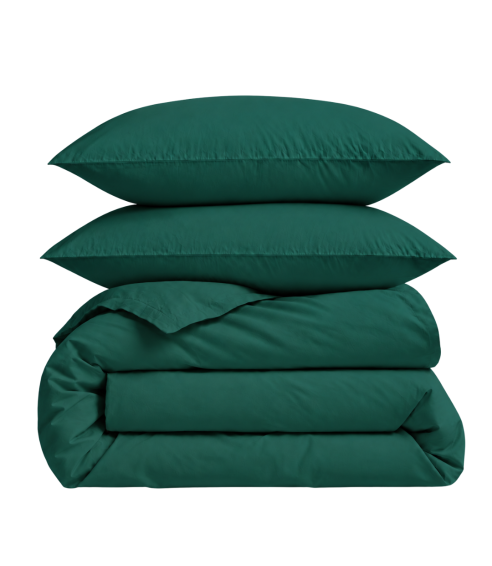
Premium Sateen Bedding Set „Dark green sateen“
53,89€ 76,99€
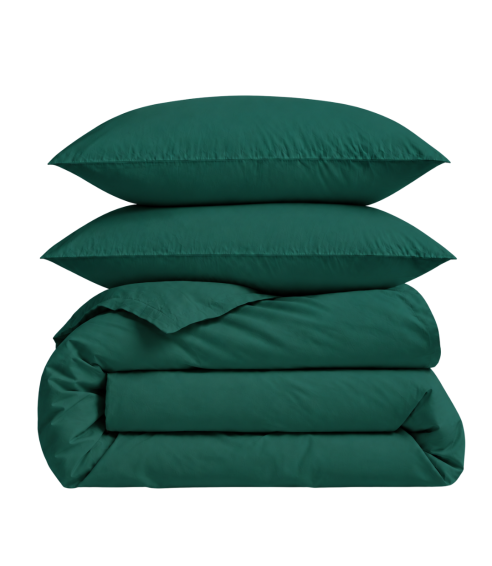
Bedding Set „Juniper“
24,50€ 48,99€
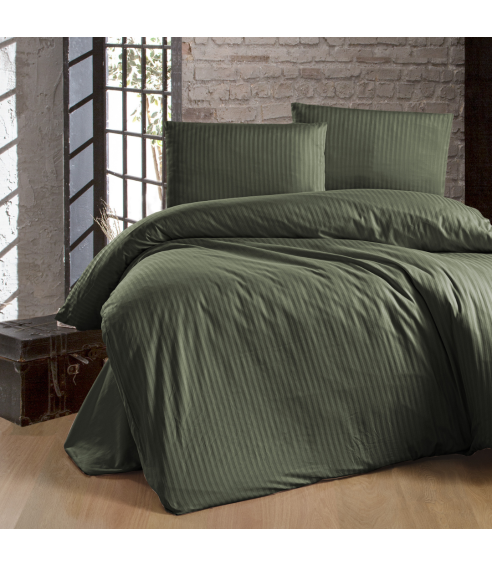
Premium Sateen Bedding Set „Dark Green Stripe“
49,69€ 70,99€
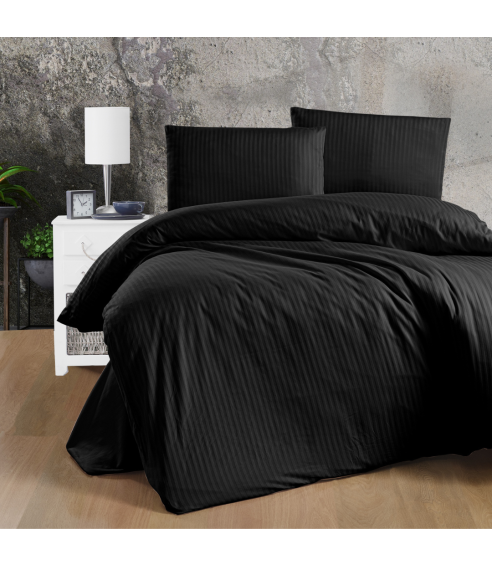
Premium Sateen Bedding Set „Black Stripe“
70,99€
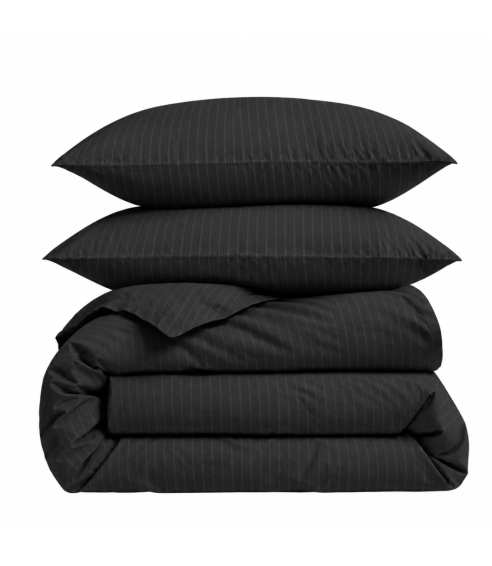
Premium Sateen Bedding Set „Black Stripe Sateen“
49,69€ 70,99€
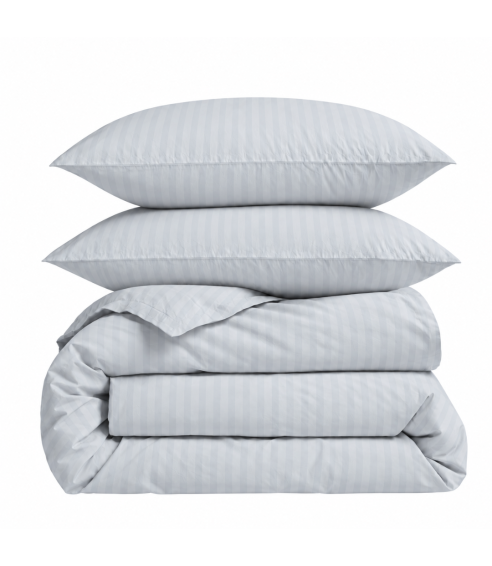
Premium Sateen Bedding Set „Light Gray Stripe Satin“
46,14€ 70,99€
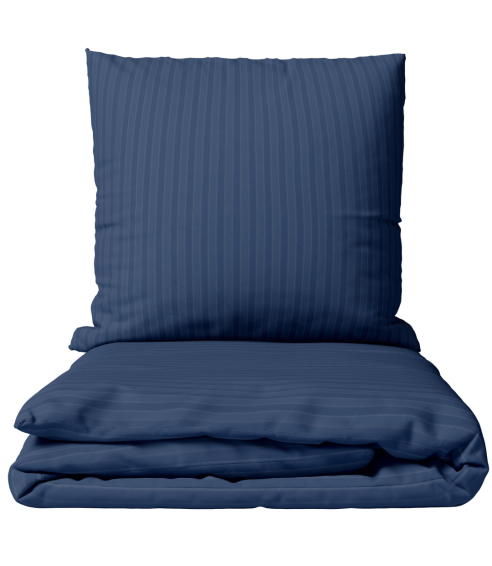
Premium Sateen Bedding Set „Blue Stripe Satin“
70,99€
-cr-326x372.jpg "When Should You Change Your Bedding?")
%20(1680%20x%202000%20px)%20(1680%20x%202000%20px)%20(1800%20x%201800%20px)-cr-326x372.jpg "Sleep apnea: causes, symptoms, and treatment")