When Should You Change Your Bedding?
Clean, fresh bedding is one of the nicest feelings before going to sleep. But how often should you actually change it? Once a week? Every two weeks? Or only when your bedding no longer feels clean?
There is no single rule that works for everyone, but for most people it is recommended to change and wash bedding about once a week. In some situations, it may be worth doing it even more often.
Why should bedding be changed so often?
Even if you shower every evening before bed, your bedding collects sweat, natural skin oils, dead skin cells, hair, traces of cosmetics and body care products, dust, and other allergens during the night.
That is why bedding should be changed regularly, not only when it starts to look or feel dirty.
Once a week is a good rule of thumb
For most people, a simple guideline is:
Change your sheets and pillowcases approximately every 7 days.
If the bed is not used every night or the bedding is only used occasionally, the interval can be extended to around two weeks. However, for a bed that is used regularly, weekly washing is a good guideline.
It is particularly important to pay attention to your pillowcase, as it stays in direct contact with your face and hair for several hours every night.
When should bedding be changed more often?
It may be a good idea to wash your bedding more frequently if you:
- sweat heavily at night;
- sleep with a pet;
- are sensitive to dust or allergens;
- sleep without clothes;
- are ill or have recently been ill;
- eat in bed.
In these situations, bedding can lose its fresh feeling more quickly, so changing it several times a week may sometimes be worthwhile.
How often should you wash your duvet cover?
A duvet cover usually has less direct contact with the body than a sheet or pillowcase, but it still needs to be washed regularly.
If your duvet touches your body directly, the easiest approach is to change the duvet cover together with the rest of the bedding. If you use an additional top sheet or sleep in pyjamas, the duvet cover may be washed slightly less often.
Do not forget your pillows and duvets
We often wash the covers but forget about what is inside them.
As a general guideline:
Sheets: every 7 days
Pillowcases: every 7 days
Duvet covers: approximately every 2–4 weeks
Blankets and throws: approximately every 2–3 months
Washable pillows: approximately every 4–6 months
Always follow the care instructions for the specific product, as different materials and fillings may require different types of care.
Does bedding need to be washed at 60°C?
Not necessarily.
The right temperature depends on the material. Cotton bedding can often be washed at higher temperatures, while satin, linen, silk, and other fabrics may require gentler washing.
The best rule is simple: always check the care label on the product.
More detergent is not always better
It can be tempting to use extra detergent to make your bedding feel especially clean, but more does not always mean better.
Too much detergent can be harder to rinse out of the fabric and may affect how the material feels over time. Use the recommended amount of detergent and avoid overloading the washing machine.
You do not need to make your bed immediately in the morning
After a night's sleep, some moisture from your body and sweat may remain in the bedding. It can therefore be useful to pull the duvet back and allow the bed to air out for a while before making it.
It is a simple habit that can help maintain a fresher feeling in the bedroom.
How often should you buy completely new bedding?
Changing to clean bedding and replacing old bedding with new bedding are two different things.
Good-quality bedding can last for several years, so there is no exact date when it must be replaced. It is much more important to pay attention to its condition.
It may be time to consider new bedding if the fabric has become very thin, holes have appeared, seams are starting to come apart, the material no longer feels pleasant, or the colours have faded significantly.
The material matters too
Because we use our bedding every night and wash it regularly, it is worth choosing a fabric that not only looks good but also feels comfortable against the skin and suits your sleeping habits.
Cotton – a versatile and practical everyday choice.
Cotton sateen – smoother and softer, offering a more luxurious feel.
Linen – ideal for those who appreciate natural materials and a more textured fabric.
Muslin – lightweight, soft, and especially comfortable.
Silk – an exceptionally smooth fabric often chosen for pillowcases because of how pleasant it feels against the skin and hair.
If you are looking for new bedding or would like to try a different material, visit SAVAS Home – you will find bedding in a variety of materials, colours, and sizes for your bedroom.
So, how often should you change your bedding?
If you want one simple answer to remember: once a week.
However, it is best to adjust the frequency to your lifestyle. If you sweat heavily, have allergies, or sleep with a pet, change your bedding more often. If the bed is rarely used, you can do it less frequently.
Most importantly, do not wait until your bedding starts to look dirty.
Clean, soft, and comfortable bedding is not just a decorative detail in the bedroom. It is where we spend a large part of our lives, so it is worth giving its care a little more attention.

Bedding Set „Graphite“
26,94€ 48,99€
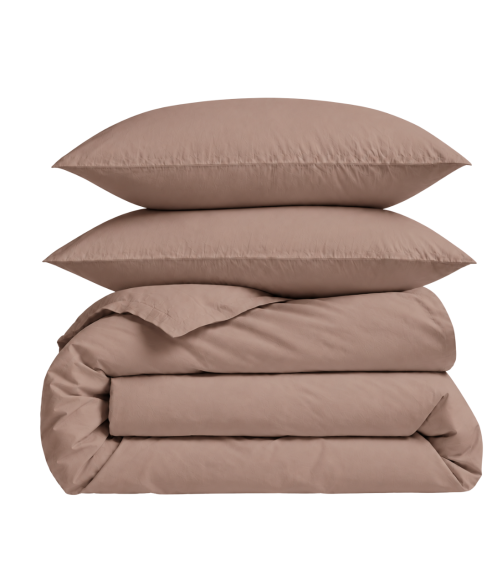
Bedding Set „Latte“
24,50€ 48,99€
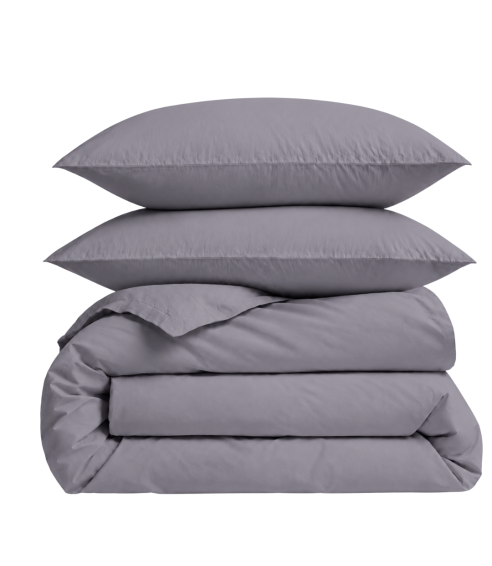
Bedding Set „Gull“
24,50€ 48,99€
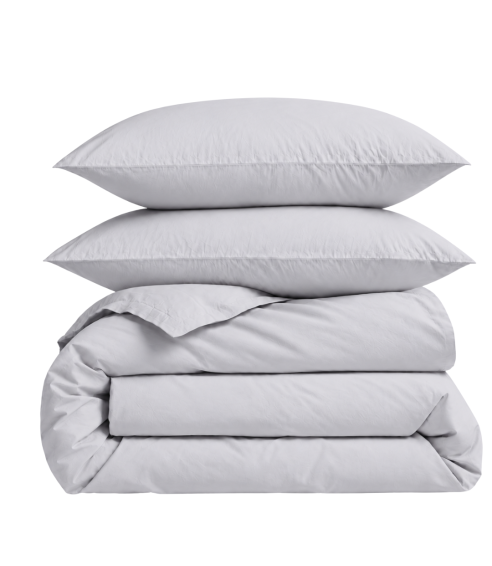
Bedding Set „Nimbus“
21,56€ 48,99€

Bedding Set „Shaved chocolat“
21,56€ 48,99€

Bedding Set „Blue mirage“
21,56€ 48,99€

Bedding Set „Deep cobalt“
21,56€ 48,99€

Bedding Set „Ash rose dark“
24,50€ 48,99€
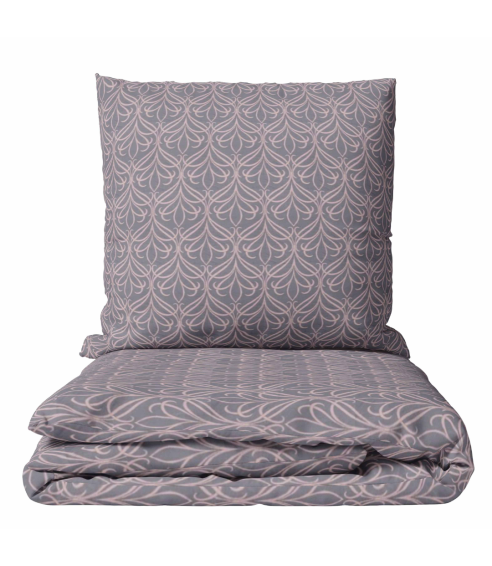
Bedding Set „Ligomes“
21,56€ 48,99€