How Nutrition Affects Sleep: Foods to Eat and Avoid
Sleep is a vital part of our health, and what we eat can greatly influence sleep quality and duration. Many people overlook the link between nutrition and sleep, yet the right food choices can help ensure a restful night. In this article, we’ll explore how your diet affects sleep and offer recommendations on what to eat and what to avoid for more peaceful rest.
%20(1680%20x%202000%20px)%20(1680%20x%202000%20px)%20(1800%20x%201800%20px).jpg)
The Link Between Nutrition and Sleep
Our bodies process food in complex ways, and these processes can impact how well we sleep. Some foods promote sleep, while others can disrupt it. Understanding how different nutrients affect your body will help you make dietary choices that improve rest.
Foods to Eat for Better Sleep
-
Complex Carbohydrates
-
Examples: Whole grains, oats, quinoa, brown rice
-
Benefit: Boosts tryptophan levels, which supports melatonin and serotonin production.
-
-
Lean Proteins
-
Examples: Turkey, chicken, fish, tofu, legumes
-
Benefit: Rich in tryptophan, omega‑3s, and vitamin D, all of which help regulate sleep rhythms.
-
-
Fruits & Vegetables
-
Examples: Cherries, bananas, kiwi, leafy greens, sweet potatoes
-
Benefit: Provide melatonin, magnesium, and potassium—nutrients that promote relaxation.
-
-
Nuts & Seeds
-
Examples: Almonds, walnuts, flaxseeds, pumpkin seeds
-
Benefit: Natural sources of melatonin and magnesium, helping to stabilize blood sugar.
-
-
Herbal Teas
-
Examples: Chamomile, valerian root, passionflower tea
-
Benefit: Calming, aids in falling asleep, and reduces insomnia symptoms.
-
Foods to Avoid Before Bed
-
Caffeine
-
Sources: Coffee, tea, chocolate, energy drinks
-
Impact: Stimulates the nervous system, makes falling asleep harder, and disrupts deep sleep.
-
-
Heavy, Fatty Foods
-
Examples: Fried dishes, fatty meats, rich sauces
-
Impact: Slows digestion and can cause discomfort.
-
-
Spicy Foods
-
Examples: Hot peppers, chili, heavily spiced dishes
-
Impact: May trigger heartburn or acid reflux.
-
-
Alcohol
-
Impact: Though it may initially induce drowsiness, it disrupts sleep cycles and reduces rest quality.
-
-
Sugary & Refined Carbs
-
Examples: Candy, pastries, white bread, sweet cereals
-
Impact: Cause sugar spikes and crashes that interrupt sleep.
-
Tips for a Sleep‑Friendly Diet
-
Maintain a regular meal schedule to help regulate your biological clock.
-
Limit late‑night snacking—opt for a light, sleep‑promoting snack if needed.
-
Stay hydrated but avoid drinking large amounts right before bed.
-
Finish your last meal at least 2–3 hours before bedtime so digestion doesn’t interfere with rest.
Nutrition is a key component of good sleep quality. By including sleep‑supportive foods and avoiding those that disrupt rest, you can improve both your sleep and overall well‑being. Everyone is unique, so experiment to find what works best for you.
For even better rest, visit Savashome online store to choose from our high‑quality bedding collections. Sweet dreams!
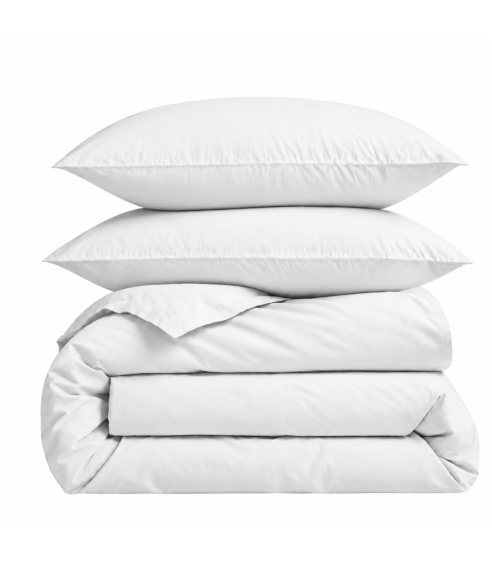
Premium Sateen Bedding Set „Classic White“
49,69€ 70,99€
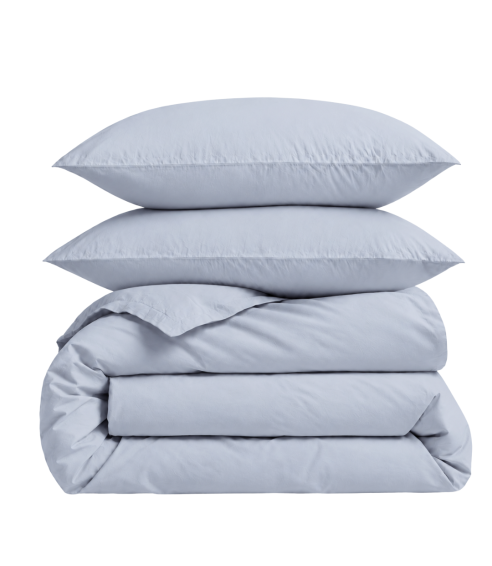
Premium Sateen Bedding Set „Classic grey“
49,69€ 70,99€
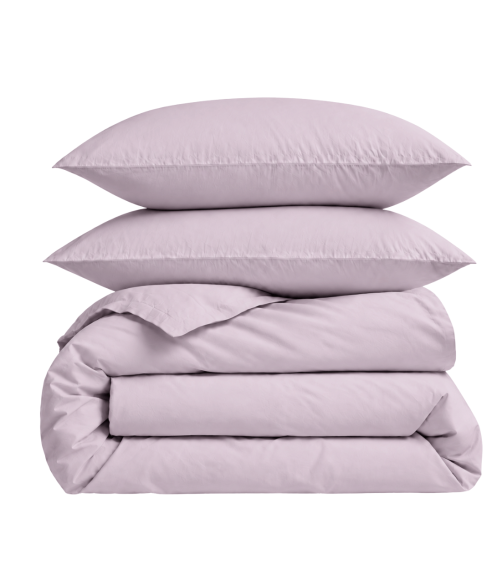
Bedding Set „Ash rose“
26,94€ 48,99€
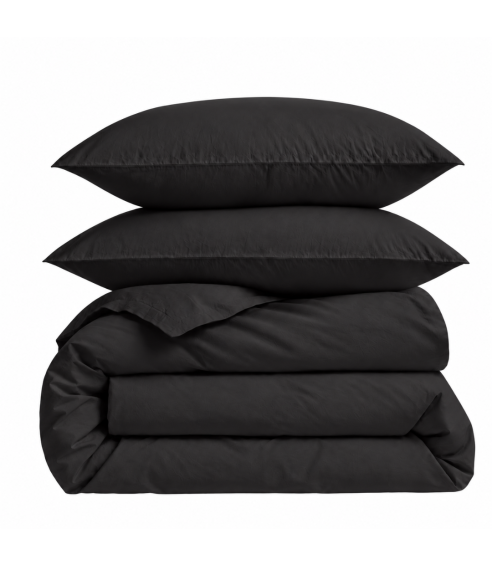
Premium Sateen Bedding Set „Midnight“
53,89€ 76,99€
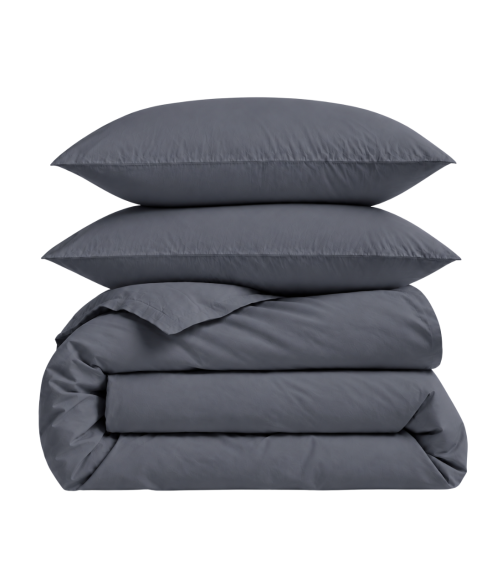
Bedding Set „Graphite“
26,94€ 48,99€
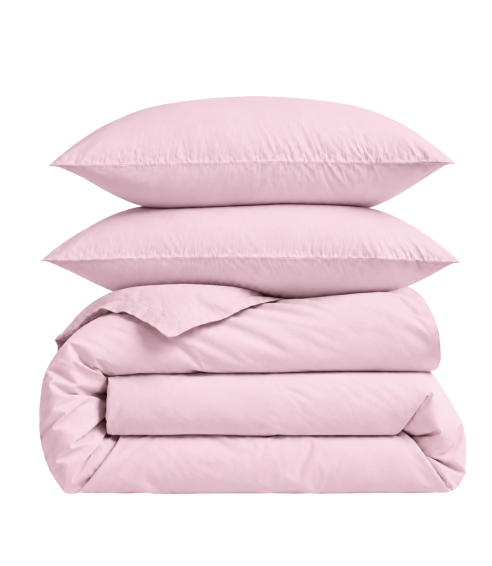
Bedding Set „Piggy“
22,50€ 44,99€
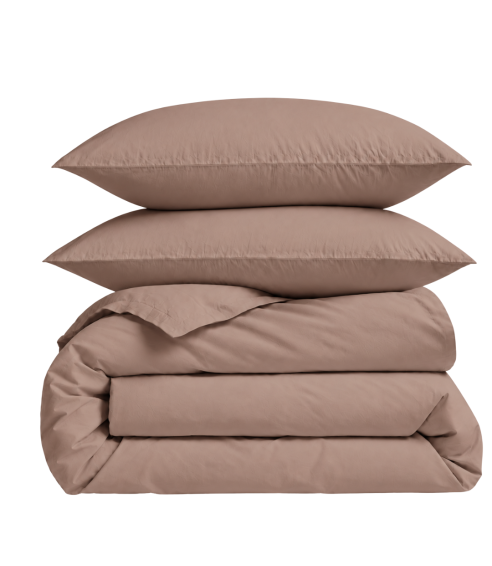
Bedding Set „Latte“
24,50€ 48,99€
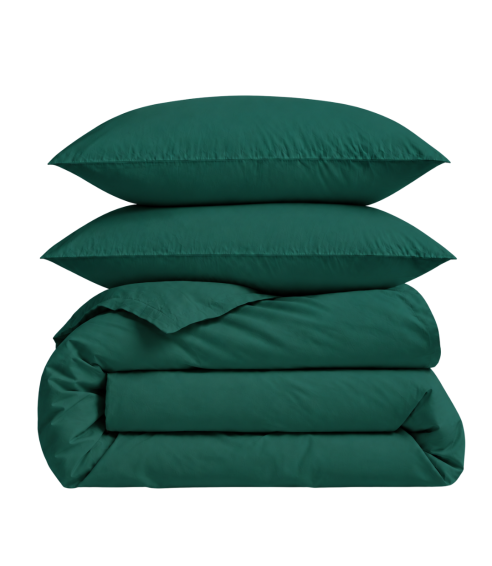
Bedding Set „Juniper“
24,50€ 48,99€
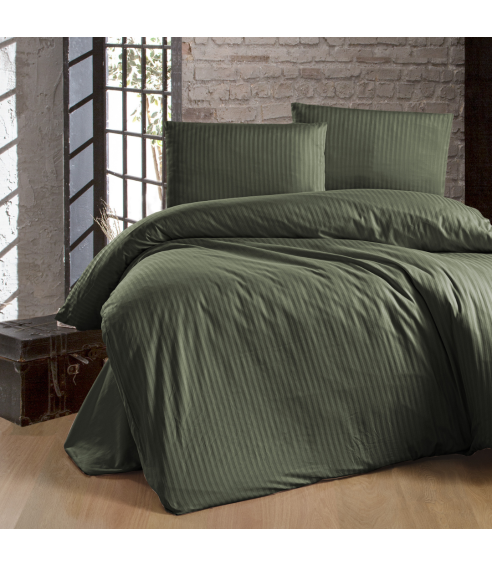
Premium Sateen Bedding Set „Dark Green Stripe“
49,69€ 70,99€
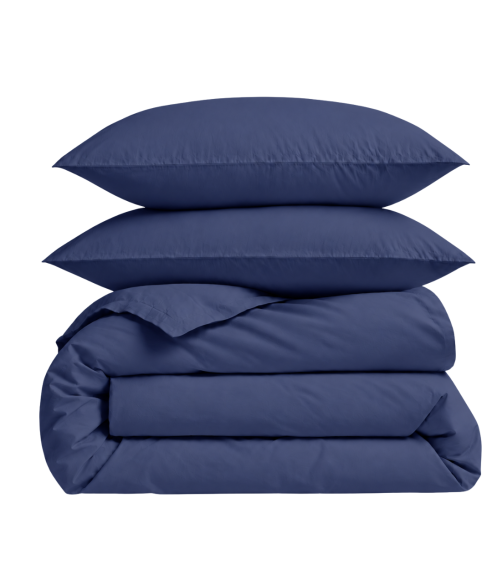
Bedding Set „Deep cobalt“
21,56€ 48,99€
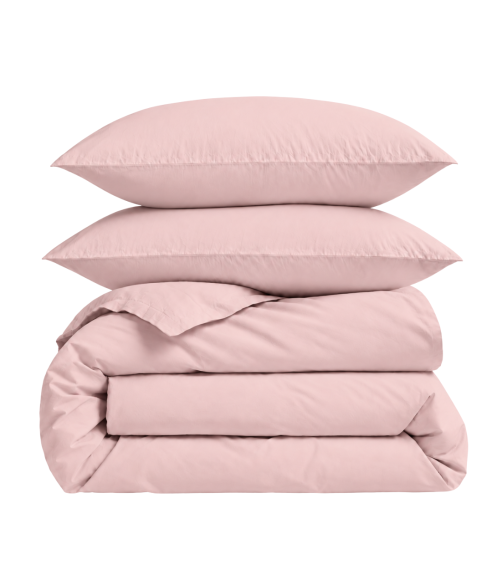
Bedding Set „Crystal pink“
22,05€ 48,99€
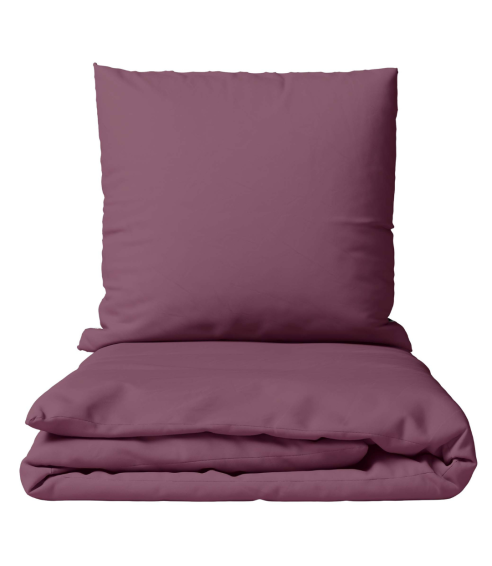
Bedding Set „Tulipwood“
24,50€ 48,99€
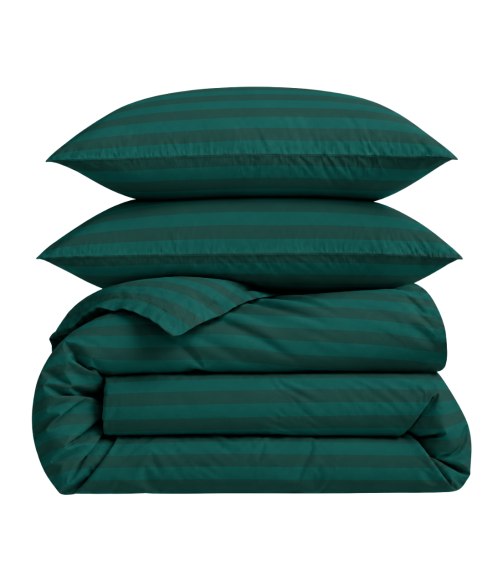
Bedding Set „Green Stripes“
24,74€ 44,99€
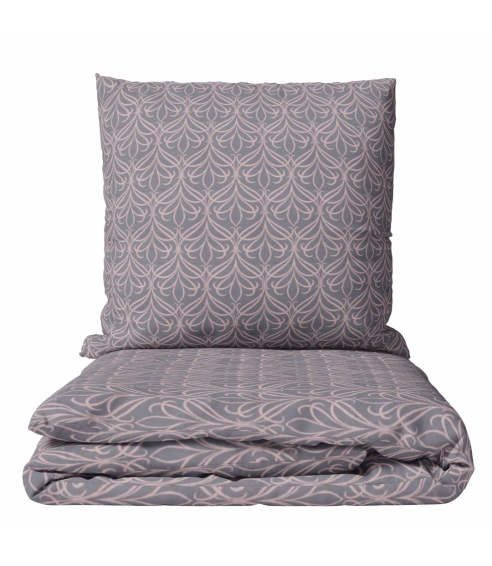
Bedding Set „Ligomes“
21,56€ 48,99€
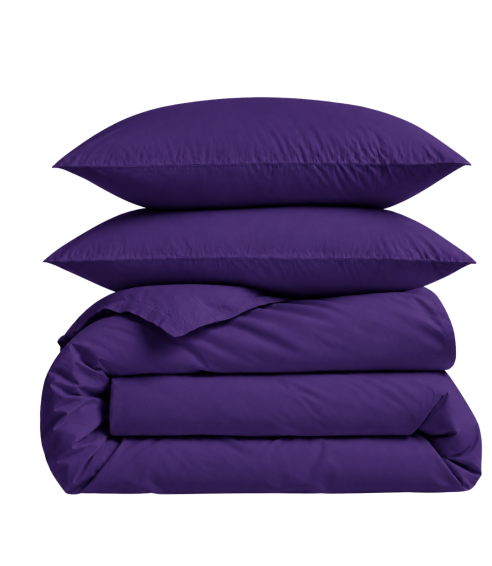
Bedding Set „Pansy“
22,50€ 44,99€
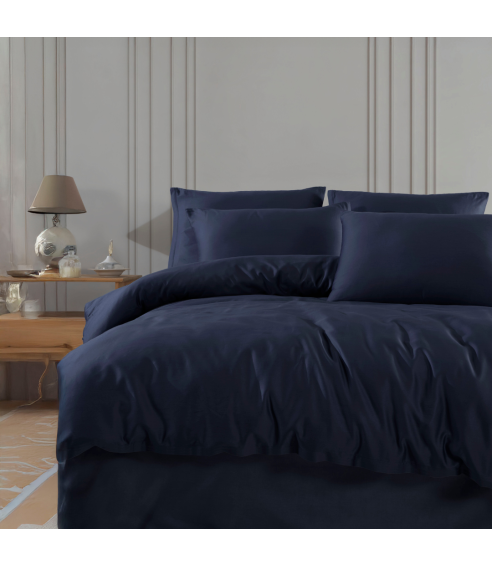
Premium Sateen Bedding Set „Navy Blue“
39,04€ 70,99€
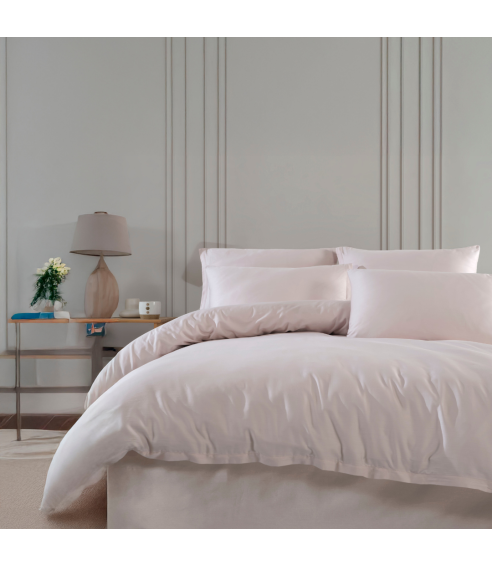
Premium Sateen Bedding Set „Beige“
39,04€ 70,99€
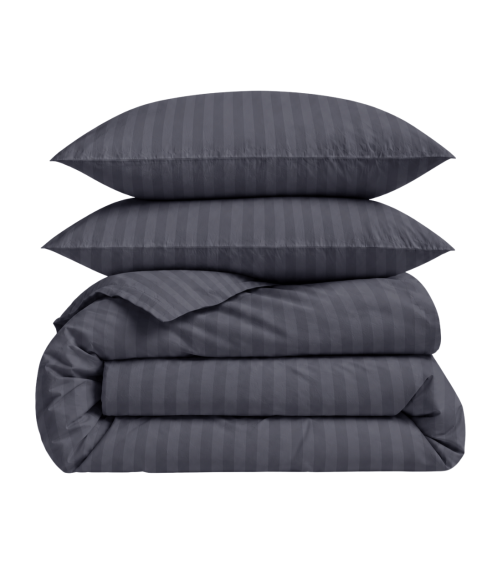
Bedding Set „Iron Stripes“
24,74€ 44,99€
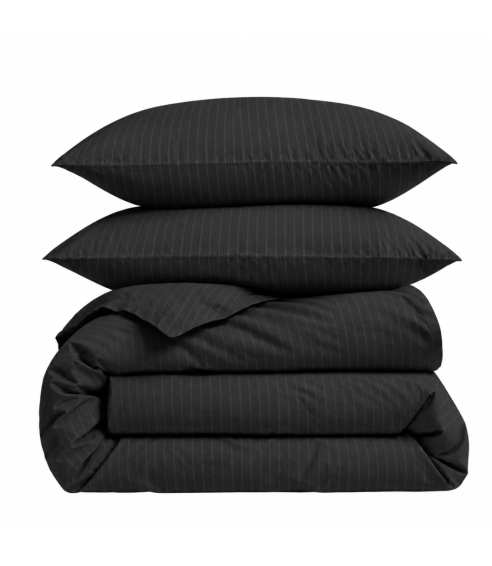
Premium Sateen Bedding Set „Black Stripe Sateen“
49,69€ 70,99€
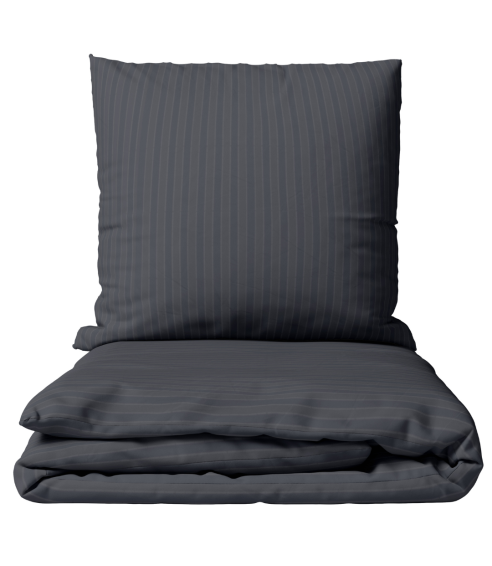
Premium Sateen Bedding Set „Graphite Stripe Satin“
70,99€
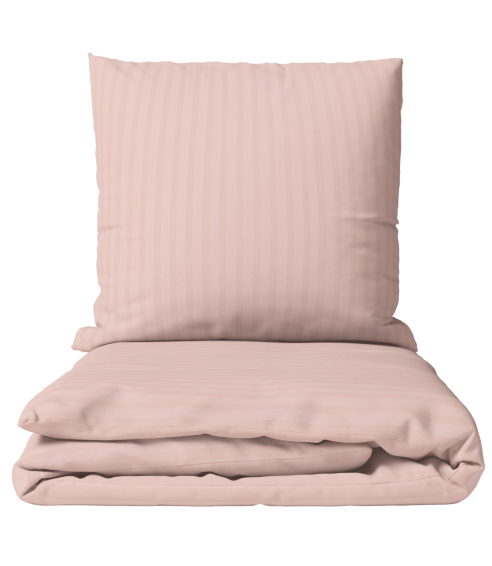
Premium Sateen Bedding Set „Peachy Stripe Satin“
42,59€ 70,99€
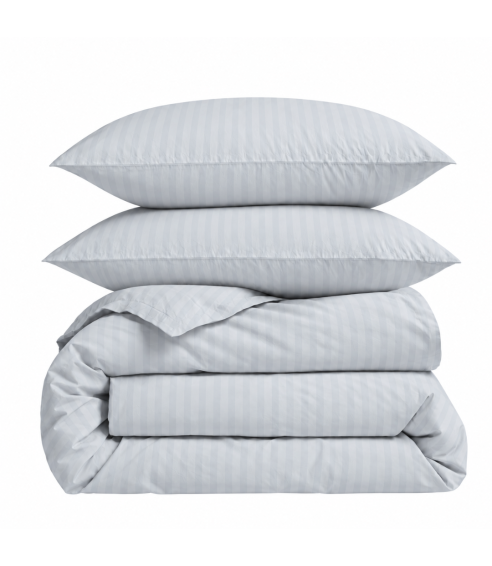
Premium Sateen Bedding Set „Light Gray Stripe Satin“
46,14€ 70,99€
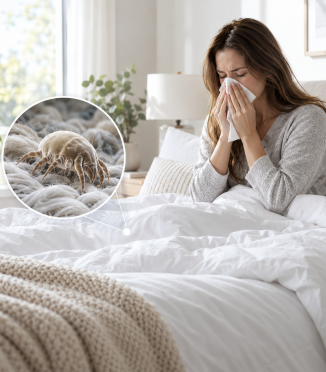
%20(1680%20x%202000%20px)%20(1680%20x%202000%20px)%20(1800%20x%201800%20px)-cr-326x372.jpg "Does a sleep mask help you sleep better?")
-cr-326x372.jpg "How to Sleep on a Plane: Tips for a Comfortable Flight")
-cr-326x372.jpg "How to improve sleep quality and what hygiene practices to follow")