Insomnia: Causes and How to Combat It
You fall asleep while watching Netflix and rush to bed to take advantage of the drowsiness. Suddenly, you're wide awake – your mind racing with worries and plans. You feel frustrated – you were sleepy just a minute ago! If this sounds familiar, you may be one of the approximately 30% of adults suffering from insomnia.
Causes of Insomnia
Insomnia can have various causes, often related to psychological, physical, or lifestyle factors. One of the most common reasons is stress and anxiety – daily problems, work-related concerns, or personal struggles can interfere with falling asleep. Other causes include poor sleep hygiene, such as late-night eating, excessive caffeine or alcohol intake.
High-quality bedding can also improve sleep quality by providing comfort and helping to regulate body temperature. Bedding from SavasHome not only gives a sense of luxury but also takes care of your skin and hair.
Insomnia can also result from health problems such as pain, breathing disorders, hormonal imbalance, or chronic conditions like sleep apnea or depression. In addition, poor sleep habits and irregular routines can further worsen sleep quality and cause long-term sleep problems.
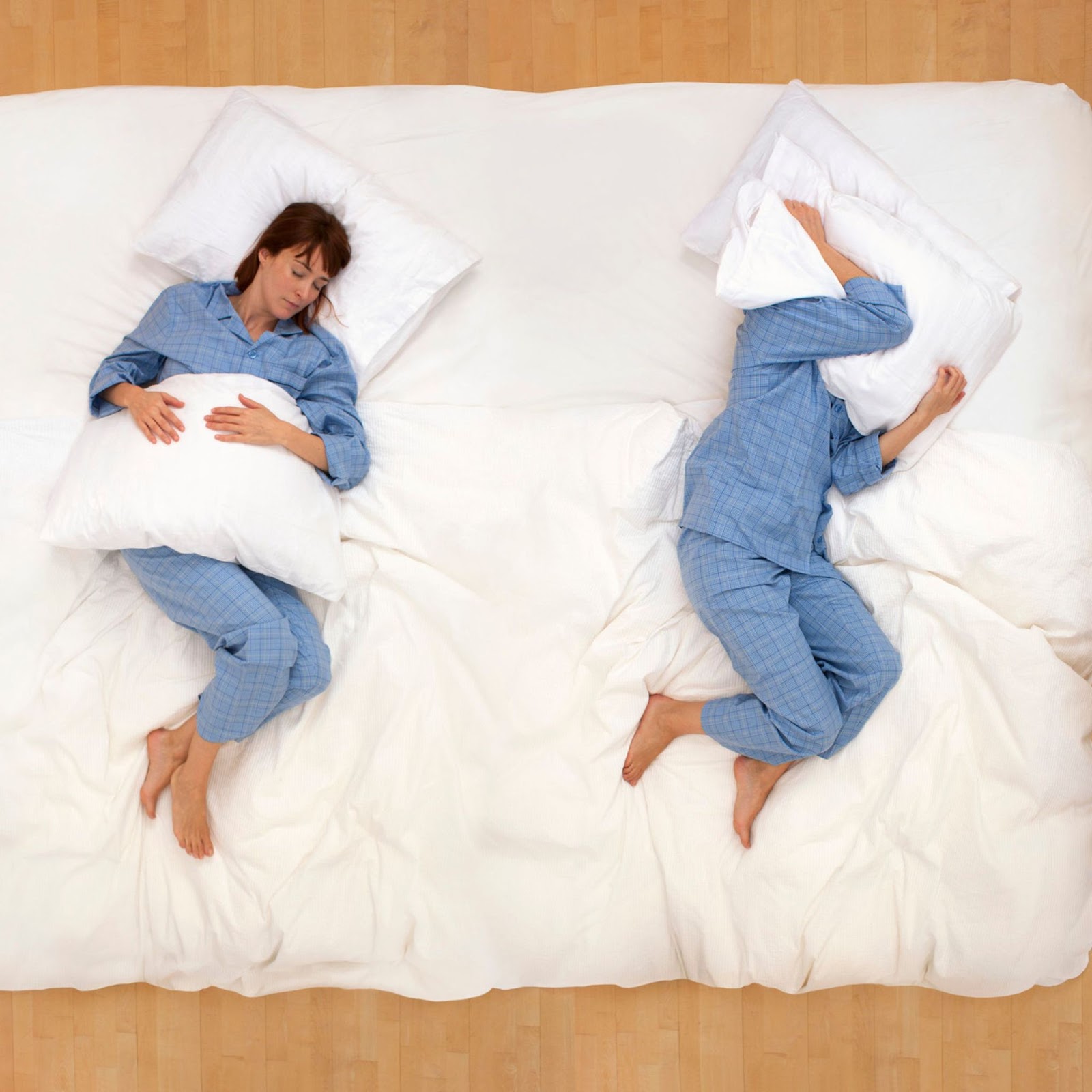
In the search for better sleep, some people resort to desperate measures: cocktailing medications, sleeping in separate beds, hypnosis, sleep teas. However, these remedies are often ineffective and can even worsen the issue. That’s why we asked Dr. Angela Lachovska to offer a healthy solution so you can enjoy bedtime again.
The Most Effective Solution for Insomnia
For those suffering from insomnia, there is a rational, biologically based, evidence-supported method that works well – and works permanently if consistently applied: Cognitive Behavioral Therapy for Insomnia (CBT-I).
CBT-I uses both behavioral and cognitive strategies to reduce insomnia symptoms. The program usually begins with two weeks of sleep tracking to identify specific challenges. A therapist can then help you identify problematic behaviors or thoughts and offer strategies to change them. Here are a few key principles:
Acknowledge That Your Sleep Needs Are Unique
There’s a common myth that adults need 8 hours of sleep to function optimally. While that may be true for some, it’s not for everyone. Our sleep needs vary in duration (how many hours your body produces sleep) and timing (when your internal clock tells you to sleep and wake up – known as your circadian rhythm). If your body needs six hours of sleep (a completely valid total sleep duration), but you try to force more than eight hours, you’ll likely lie awake and experience poorer sleep – a recipe for insomnia!
Use a sleep journal to mathematically determine how much sleep your body actually needs and when your natural circadian rhythm activates sleep and wake signals. Schedule your time in bed so that it doesn’t exceed that by more than 30 minutes. Just like the heart or lungs, your sleep system is designed to support a healthy body – if you use it wisely.
Use Your Bed for Sleep Only
Remember Pavlov’s dogs from psychology class? People aren’t that different – we can also be conditioned by repeated stimuli. Imagine lying in bed night after night, scrolling on your phone, stressing or planning the next day. Your bed and bedroom environment then subconsciously become associated with wakefulness. The solution: as soon as you feel alert or anxious in bed, get up and go to another room (or another spot in the same room) and do something pleasant – just avoid screens with blue light. After all, if you’re not falling asleep, forcing it won’t help. Think of this “wake time” as an investment in better sleep tomorrow. Your body will have more pressure to sleep the next night.
You can purchase premium bedding on the SavasHome website.
Keep Your Worries Out of Bed
Our minds are built to think – but once all other distractions are removed and we lie in bed, thoughts begin to race. The solution is simple, though not always pleasant: get out of bed and do something relaxing until you feel sleepy again. Read, write, stretch, listen to soothing music, draw or color, work on a puzzle, or even watch TV (but avoid using a laptop or tablet). Then return to bed. The first night, you may have to get up several times – that’s okay. You’re building sleep pressure for the next night. Over time, your sleep drive will outweigh your anxiety and help you fall asleep more easily when you want to.
Wake Up at the Same Time Every Day
If you’ve ever had jet lag, you know the symptoms – fatigue, irritability, hunger at odd hours, brain fog. Jet lag isn’t caused by flying – it’s caused by a mismatch between your body’s clock and the clock on the wall. So if you wake up at different times each day, you’re essentially flying across the country without leaving home. The more consistent your wake-up time, the more stable your circadian rhythm becomes – and unfortunately, your body doesn’t distinguish weekdays from weekends. If you’ve had a bad night’s sleep, think of it as an investment into the next night – your body will compensate. It’s a wonderful system if you let it do its job.
Check Your Expectations About Sleep
There are many sleep myths that lead us to chase “perfect” sleep. Most of them are false and actually harm our sleep. Did you know the average person wakes up around 12 times per night? So remembering a few brief awakenings is completely normal.
Another misconception: Many believe that REM (rapid eye movement) sleep is the most restorative stage. In reality, slow-wave sleep (most prevalent in the first half of the night) is more restorative. Oversleeping can actually lead to a surplus of REM sleep, making us feel groggy and even depressed. These are just two examples – by learning more about “normal” sleep from reliable sources, you can set realistic expectations for what good sleep looks like.
Avoid Napping
Napping can feel wonderful – who doesn’t enjoy a Sunday afternoon nap? But if you’re struggling with sleep (especially new moms or people feeling extremely drowsy while driving), naps can backfire. First, a nap can reduce your sleep drive at night, making it harder to sleep for the full duration. Second, it disrupts your body’s natural circadian rhythm. Keep in mind: it’s completely normal to feel more tired in the afternoon when your body temperature slightly drops. Instead of napping, go for a walk, get some sunlight, and breathe fresh air – you’ll feel much better than giving in to a nap.
Sleep Hygiene: Necessary But Not Enough
You’ve heard it all – limit caffeine and alcohol, exercise, and create a dark, cool, quiet bedroom. These are great habits, but they alone won’t cure insomnia. However, neglecting any of them (e.g., drinking too much alcohol before bed) will definitely sabotage your sleep.
Final Thought
The most important thing to remember is that no one has perfect sleep – even sleep therapists have sleepless nights. But if you stick to these simple strategies, you’ll be well on your way to long-term, quality rest.
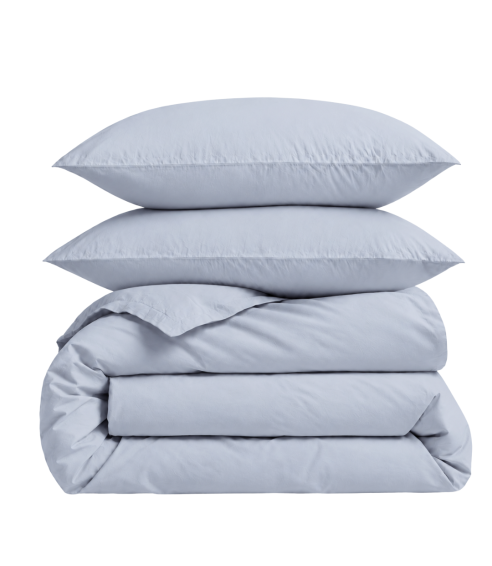
Premium Sateen Bedding Set „Classic grey“
49,69€ 70,99€
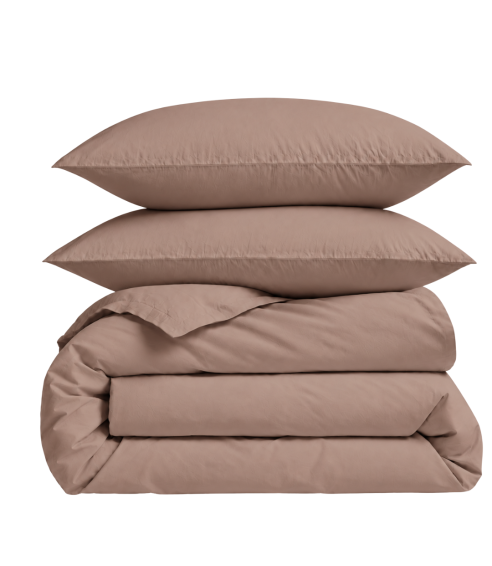
Bedding Set „Latte“
24,50€ 48,99€
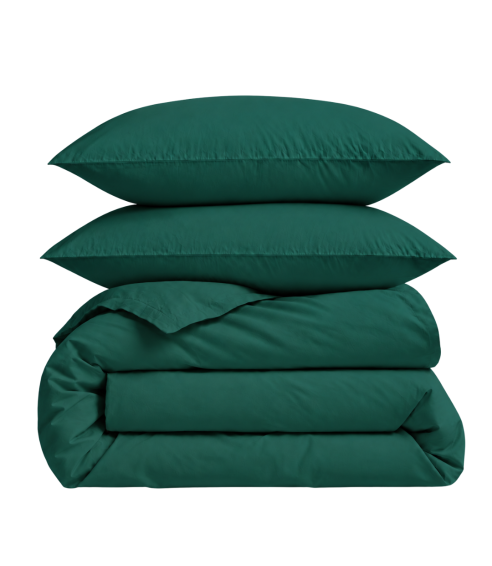
Premium Sateen Bedding Set „Dark green sateen“
53,89€ 76,99€
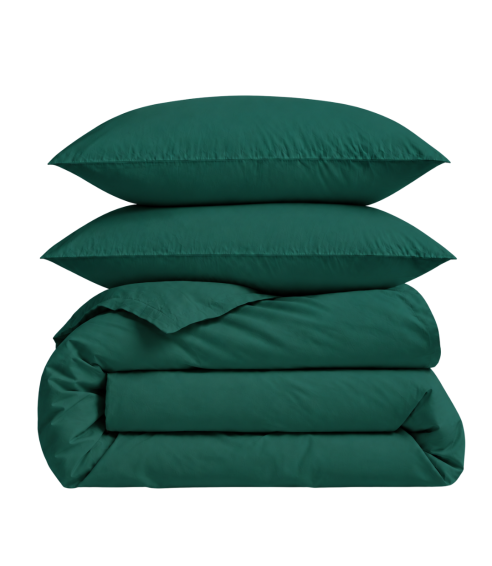
Bedding Set „Juniper“
24,50€ 48,99€
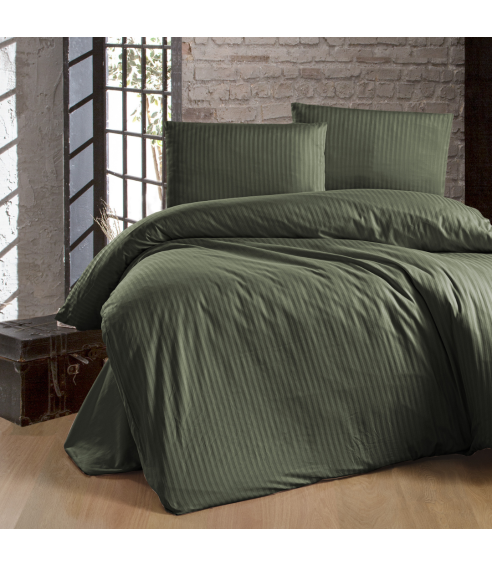
Premium Sateen Bedding Set „Dark Green Stripe“
49,69€ 70,99€
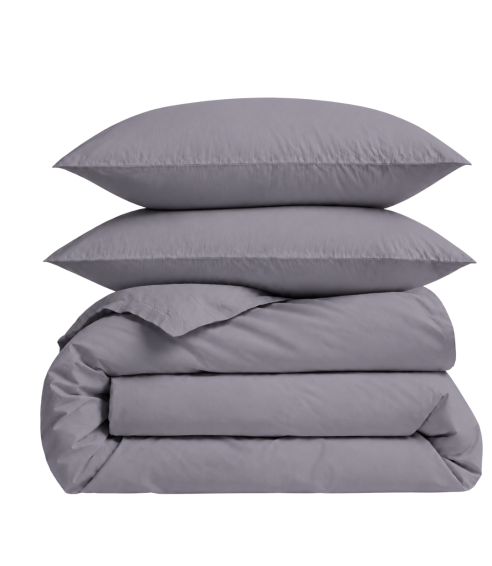
Bedding Set „Gull“
24,50€ 48,99€
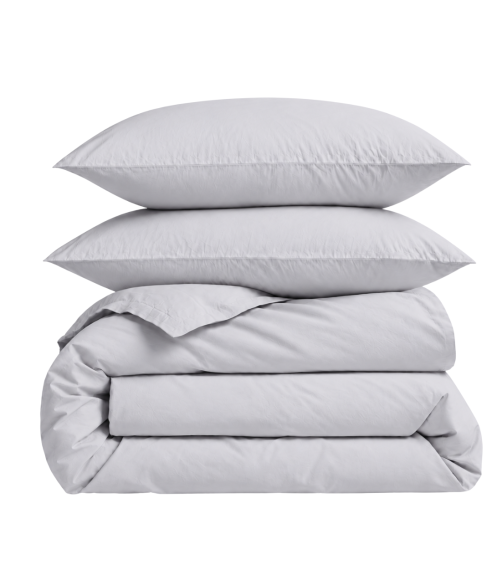
Bedding Set „Nimbus“
21,56€ 48,99€
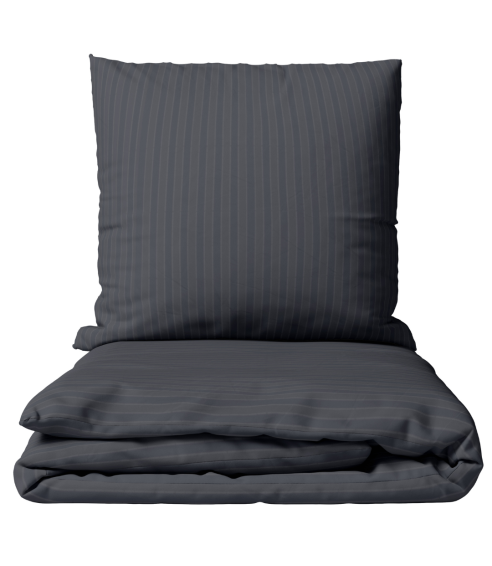
Premium Sateen Bedding Set „Graphite Stripe Satin“
70,99€
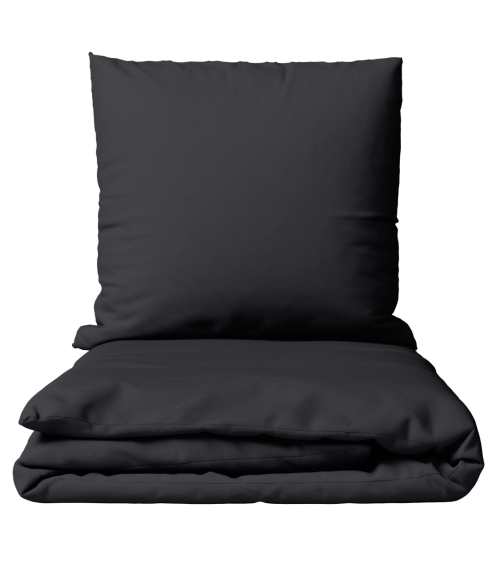
Premium Sateen Bedding Set „Graphite Satin“
46,19€ 76,99€

%20(1680%20x%202000%20px)%20(1680%20x%202000%20px)%20(1800%20x%201800%20px)-cr-326x372.jpg "Does a sleep mask help you sleep better?")
%20(1680%20x%202000%20px)%20(1680%20x%202000%20px)%20(1800%20x%201800%20px)-cr-326x372.jpg "Sleep apnea: causes, symptoms, and treatment")
-cr-326x372.jpg "The Science of Dreams: What Lies Hidden in Our Subconscious")