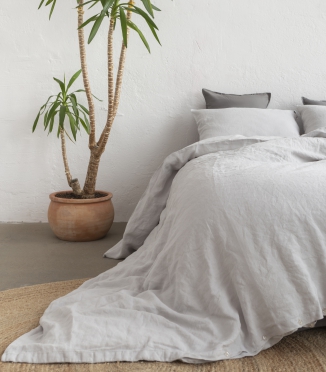
How to Care for Linen Bedding: Washing and Drying
Linen is one of the oldest and most highly valued natural fabrics, prized for its durability, purity, and excellent properties. It’s not only easy to care for but also offers a natural UV filter, protecting your skin from harmful sun exposure. Thanks to these qualities, linen is widely used in various textile products, and bedding made from linen is especially esteemed.
Linen bedding gently conforms to the body and naturally cools you even on the hottest summer nights. It’s an ideal choice for anyone seeking both comfort and natural materials. With proper care, linen retains its quality for a long time and actually becomes softer with each wash. Although some people worry that linen wrinkles easily and is difficult to care for, following a few simple rules makes maintenance very easy.
How to Wash Linen Bedding
When you first purchase a linen bedding set, it’s recommended to wash it before using it. For the initial wash, launder the set on its own do not mix it with other clothes or textiles. Use a temperature no higher than 30 °C and avoid bleaching detergents.
Turn the linen inside out before washing. Use mild detergents or natural soap, and avoid bleach and dry cleaning, as these can damage the flax fibers and fade the color.
After the first wash, you can launder linen bedding with other textile items, provided they are of similar colors. Because linen is extremely strong, it withstands many wash cycles and even grows softer over time; depending on the dye, it may lighten or bleach slightly.
Since linen absorbs moisture well, load it into a less full washing machine to ensure the fabric soaks up water fully and rinses more thoroughly. Use a gentle cycle designed for delicate fabrics. An optimal wash temperature is around 40 °C, though light-colored items can be washed at higher temperatures up to 60 °C or even 95 °C. Bear in mind, however, that linen may shrink by 4 to 7%, so always follow the manufacturer’s care instructions.
To maintain hygiene in the bedroom, it is advisable to change and wash your linen bedding every two weeks. This schedule ensures cleanliness, freshness, and the removal of accumulated bacteria.
How to Dry and Iron Linen
Linen is a strong but quick-drying fabric. If dried improperly, it can become overly creased. To prevent this, avoid high-speed spinning before drying you’ll reduce unwanted wrinkles.
The best way to dry linen is naturally hang it outdoors in the shade. Direct sunlight can fade or unevenly discolor the fabric. You can also use a tumble dryer on a low-temperature, short-cycle setting; just be careful not to overdry, as linen that’s too dry can become rough.
If you choose to iron your linen, turn the item inside out and use a low-temperature setting to avoid shiny spots from a hot iron. That said, linen’s natural texture is elegant, and it looks attractive even un-ironed. If you’ve selected a purposely “crinkle” linen style, ironing is neither necessary nor recommended.
Conclusion: A Reliable Choice for Every Season
Linen bedding is a wonderful option year-round, especially in summer when a cooling effect is paramount. It’s natural, pleasant to the touch, highly absorbent, and allows the skin to breathe. Moreover, this fabric impresses with its longevity, understated design, and straightforward care.
By choosing linen bedding, you’re investing in comfort, healthier sleep, and an aesthetic that will grace your bedroom for years to come.
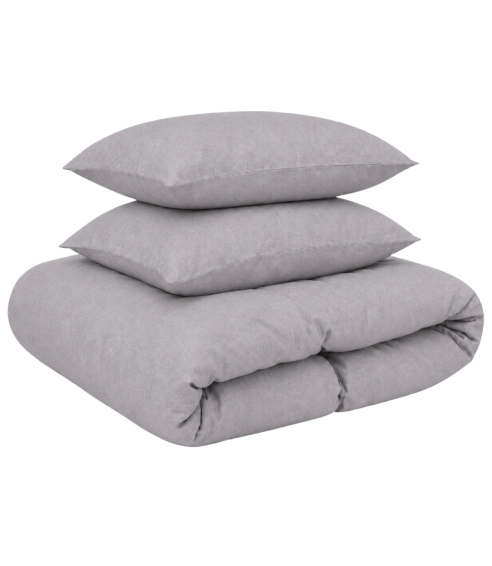
Linen Bedding Set „Linen Pearl“
125,99€ 139,99€
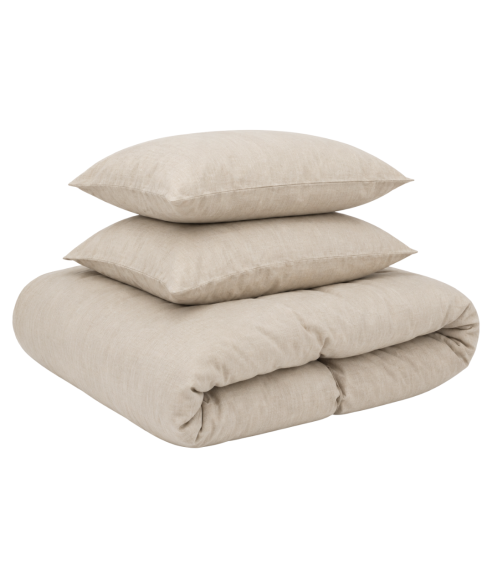
Linen Bedding Set „Linen sepia“
128,79€ 139,99€
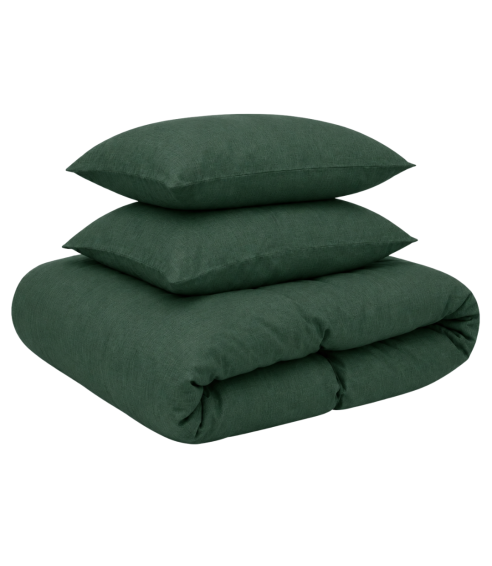
Linen bedding set „Linen Dark Green“
128,79€ 139,99€
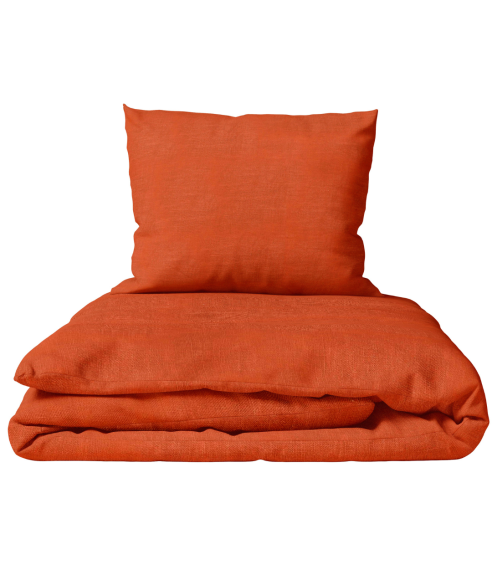
Linen Bedding Set “Linen Orange”
99,99€