Linen Bedding: The Queen of All Time
It starts simply. A friend mentions they have switched their bedding to linen. You think – "well, what is so special about that?" But a few months later the same person is talking about it with such enthusiasm, as if they had discovered something truly important.
What is going on here? Why do people who have tried linen bedding so rarely go back to cotton?
Linen Is Not a Trend – It Is History
Before we talk about sleep, it is worth pausing for a moment. Linen is one of the oldest textile materials in the world. It was used by ancient Egyptians, Greeks and Romans. In the Baltic region linen is a cultural symbol, grown and woven for centuries.
It has not survived millennia because it looks good in photos. It survived because it works.
What Actually Differs from Cotton?
Many people think linen is simply "another fabric". But the physical differences are significant – and directly affect your sleep.
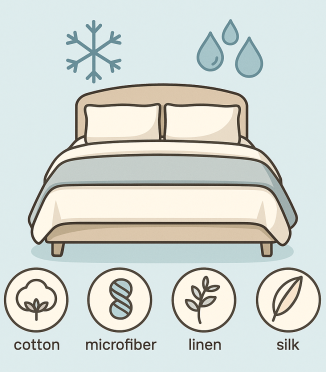
The structure of linen fibre is hollow. Every thread has a small air channel inside, which means air constantly circulates through the fabric. Cotton does not have this – it is compact and denser. That is why linen breathes differently – better and more freely.
Linen absorbs moisture up to 20% of its weight without losing the feeling of dryness – and evaporates it quickly. Cotton also absorbs well, but evaporates more slowly. On a warm night this is directly noticeable: cotton becomes damp and sticky, linen does not.
The first touch of a linen sheet is always cool – even at room temperature. That is not imagination, that is physics. Linen has a high thermal conductivity coefficient – it effectively takes heat from the skin and releases it into the environment. It cools in summer and insulates in winter. Scientists call this the thermoregulation effect – linen acts as a natural thermostat.
"But Linen Is Rough!" – the Most Popular Myth
Yes, new linen can feel stiff. And this is where one of the biggest differences from cotton lies – linen changes over time in the opposite direction.
Cotton becomes thinner and duller after many washes. Linen becomes softer after every wash. After a few months of use linen bedding transforms into that soft, cosy fabric that people describe as "a second skin". This is not a marketing claim – it is a property of linen fibre: longer use means better fabric.
Linen and Skin – What Is Rarely Talked About
In summer, when skin sweats more intensely and is more irritated, linen has properties that are rarely mentioned in shops.
It naturally inhibits bacterial growth – which is important from a hygiene perspective, especially in warm months. It is hypoallergenic and suitable for people with sensitive skin, children and those diagnosed with atopic dermatitis. Moreover linen does not accumulate static electricity – unlike synthetic fabrics – so it does not cling to the body and does not cause that unpleasant sensation we all know from synthetic pyjamas.
Linen at Home – Aesthetics Without Effort
One of the reasons linen has become popular in interior design is its natural aesthetic. Lightly crumpled linen does not look like a flaw but like a style element. Designers and hotels around the world consciously choose this "naturally untidy" look – it creates warmth and authenticity that cannot be imitated with synthetic fabrics.
The natural colours of linen – sand, cream, greyish – suit any interior. Linen does not strive to dominate. It complements – and does so elegantly.
How to Care for Linen Bedding?
Many people avoid linen thinking its care is complicated. In reality it is simpler than it seems – just slightly different from cotton.
Wash at 40°C on a gentle programme with a mild detergent. Avoid aggressive products – they can damage the fibre. Do not wring before drying – this creates unpleasant lines that are then difficult to get rid of. Dry naturally in the shade as direct sunlight can bleach the colours over time.
Ironing – actually unnecessary. Crumpled linen looks natural and elegant. If you do want to iron – do it on damp fabric at a low temperature.
Why Do People Not Go Back?
The answer is simple. Cotton is a good fabric. Linen is better – for those who have tried it. Not because it is more expensive or more fashionable. Because it works differently: cools when warm, warms when cool, gets softer with every wash and breathes better than almost any other fabric.
When you have once tried bedding that gets better with every night – it is hard to go back to the one that gets worse with every wash.
At Savashome.co.uk you will find linen bedding made from natural linen, sewn in Lithuania. Try one season – and you will understand what those people are talking about.
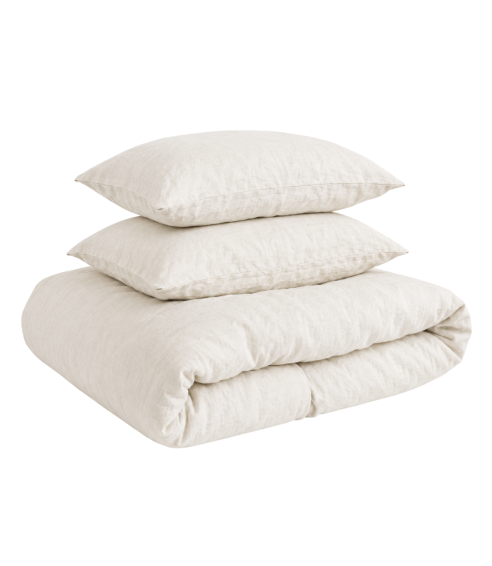
Linen bedding set „Linen white“
125,99€ 139,99€
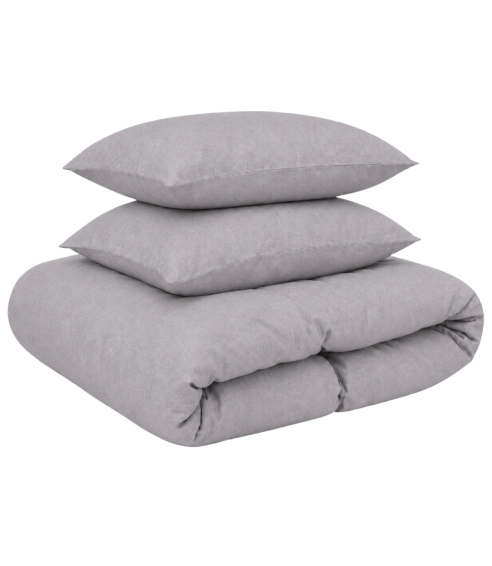
Linen Bedding Set „Linen Pearl“
125,99€ 139,99€
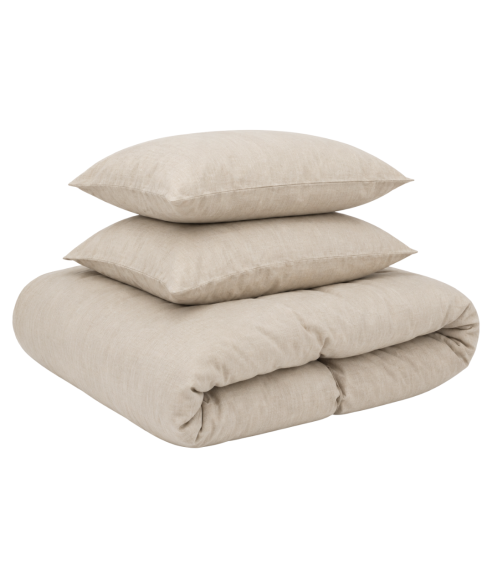
Linen Bedding Set „Linen sepia“
128,79€ 139,99€
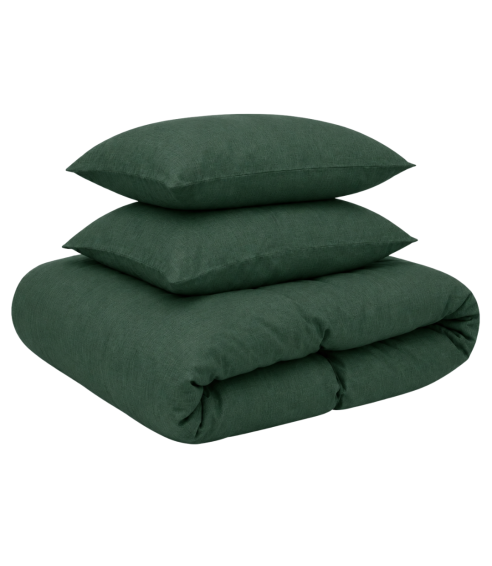
Linen bedding set „Linen Dark Green“
128,79€ 139,99€
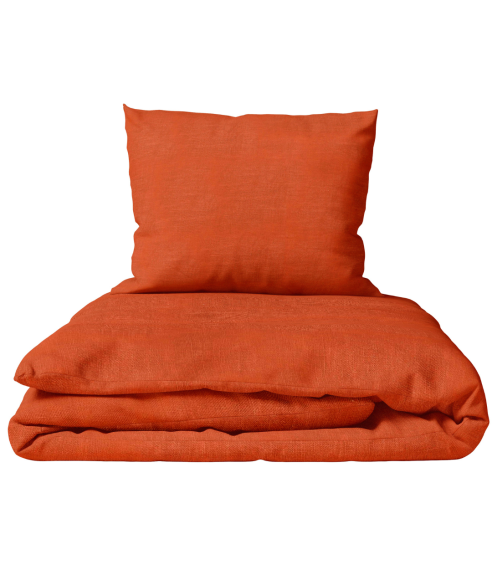
Linen Bedding Set “Linen Orange”
99,99€