Narcolepsy: symptoms, causes, and treatment
Narcolepsy is a chronic neurological sleep disorder in which the brain cannot properly regulate the sleep–wake cycle. This condition often causes significant discomfort due to sudden “sleep attacks,” which can occur at any time of day, even when a person feels rested. Although narcolepsy is relatively rare, its impact on daily life can be profound.
.jpg)
Key Symptoms of Narcolepsy
Narcolepsy symptoms vary, but several are particularly characteristic:
-
Excessive Daytime Sleepiness (EDS)
This is the primary symptom of narcolepsy. People with this disorder often feel an uncontrollable need to sleep during the day, even if they slept enough at night. It can interfere with work, driving, or other everyday activities. -
Cataplexy
Cataplexy is the sudden loss of muscle tone, often triggered by strong emotions such as laughter, anger, or fear. Some cases of narcolepsy include cataplexy episodes, during which a person may lose muscle control yet remain conscious. -
Sleep Paralysis
People with narcolepsy often experience sleep paralysis—a state in which they cannot move or speak when falling asleep or upon waking. This can be very frightening, as the person is aware but temporarily unable to move. -
Hypnagogic and Hypnopompic Hallucinations
These are vivid hallucinations that occur while falling asleep (hypnagogic) or waking up (hypnopompic). They can feel extremely real and sometimes cause fear, as the person feels caught between dream and reality. -
Microsleeps
Sometimes a person may briefly “nod off” even when they appear awake. These are seconds‑long sleep episodes that can happen suddenly and without warning.
Causes of Narcolepsy
Narcolepsy is linked to a deficiency of hypocretin (also called orexin)—a chemical that regulates wakefulness and sleep. This deficiency may result from an autoimmune process in which the body’s immune system mistakenly attacks the neurons that produce hypocretin.
While the exact causes of narcolepsy are not fully understood, certain factors may increase the risk of developing the disorder:
-
Genetic predisposition: Although most cases are not directly inherited, some genes can raise the likelihood of narcolepsy.
-
Immune system problems: Infections or autoimmune diseases may contribute to its onset.
-
Trauma: Rarely, narcolepsy can develop after brain injury, such as head trauma.
Diagnosing Narcolepsy
Diagnosing narcolepsy can be challenging because its symptoms often resemble those of other sleep disorders or mental health issues, like depression or insomnia. Diagnosis usually relies on:
-
Polysomnography (PSG): An overnight study that monitors brain waves, eye movements, muscle activity, and heart rate during sleep.
-
Multiple Sleep Latency Test (MSLT): Measures how quickly a person falls asleep during the day after a night’s sleep and whether they enter REM sleep.
Treatment of Narcolepsy
While narcolepsy cannot be cured, several approaches help control symptoms and improve quality of life:
-
Medication
-
Stimulants: Reduce excessive daytime sleepiness. Commonly prescribed are modafinil and methylphenidate.
-
Antidepressants: Some, like serotonin‑norepinephrine reuptake inhibitors (SNRIs), help control cataplexy and sleep paralysis episodes.
-
Sodium oxybate: Often used in more severe cases, it can reduce cataplexy episodes and improve nighttime sleep quality.
-
-
Lifestyle Modifications
-
Consistent sleep schedule: Going to bed and waking at the same times daily helps regulate the sleep cycle.
-
Short daytime naps: 15–20‑minute naps during the day can help curb sleepiness.
-
Physical activity: Regular exercise can improve daytime alertness and nighttime sleep.
-
-
Psychological Support
Living with narcolepsy can be challenging both physically and emotionally. Support groups or therapy can help manage emotional stresses and enhance day‑to‑day well‑being.
Narcolepsy is a serious sleep disorder that can greatly affect daily life, but with proper management of symptoms, individuals can maintain a normal routine. If you suspect you have signs of narcolepsy, consult a doctor for appropriate testing and a tailored treatment plan. Early diagnosis and treatment are keys to better quality of life and effective symptom control.
For those managing narcolepsy, ensuring high‑quality nighttime rest is especially important. Choose premium bedding from SavasHome to create the most comfortable, supportive sleep environment possible.

Linen bedding set „Linen white“
125,99€ 139,99€

Linen Bedding Set „Linen Pearl“
125,99€ 139,99€

Bedding Set „Blue haze“
24,50€ 48,99€

Bedding Set „Gull“
24,50€ 48,99€

Bedding Set „Nimbus“
21,56€ 48,99€
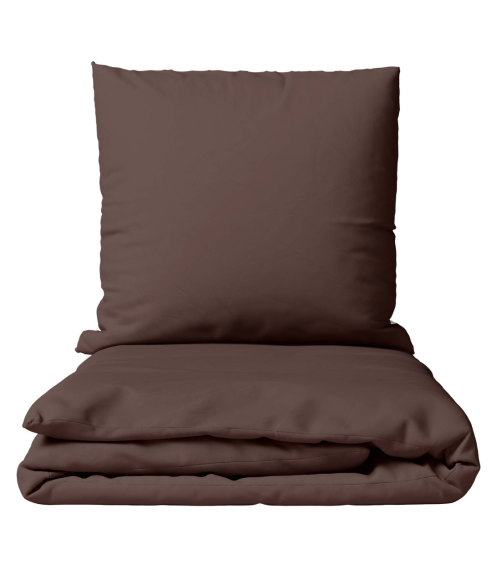
Bedding Set „Shaved chocolat“
21,56€ 48,99€

Bedding Set „Fall leaf“
18,13€ 48,99€

Bedding Set „Deep cobalt“
21,56€ 48,99€

Bedding Set „Crystal pink“
22,05€ 48,99€

Bedding Set „Tulipwood“
24,50€ 48,99€

Bedding Set „Ash rose dark“
24,50€ 48,99€
%20(1680%20x%202000%20px)%20(1680%20x%202000%20px)%20(1800%20x%201800%20px)-cr-326x372.jpg "Does a sleep mask help you sleep better?")
%20(1680%20x%202000%20px)%20(1680%20x%202000%20px)%20(1800%20x%201800%20px)-cr-326x372.jpg "Sleep apnea: causes, symptoms, and treatment")
-cr-326x372.jpg "How to Sleep on a Plane: Tips for a Comfortable Flight")
-cr-326x372.jpg "How to improve sleep quality and what hygiene practices to follow")