Why Is It Worth Investing in Silk Pillowcases? The Truth About Hair and Skin
There are beauty rituals we dedicate a lot of time and money to: face serums, hair masks, expensive creams. But there is one thing that works every night, eight hours in a row, and is often completely ignored.
It is the pillowcase.
.jpg)
The Problem Nobody Talks About
Every night your face and hair spend 6–8 hours under friction conditions. A standard cotton pillowcase has a microscopic texture that constantly rubs against your skin and hair.
What happens during that time?
For the skin: wrinkles form, skin becomes irritated and night creams are absorbed into the fabric – instead of staying on your face.
For the hair: it breaks, becomes rough and tangles. The reason for "messy" hair in the morning? Often it is your pillow.
Why Does Silk Change Everything?
Almost zero friction. The surface of silk is extremely smooth. Your face and hair simply glide over it instead of rubbing. Result: less mechanical pressure, fewer wrinkles over time, more beautiful hair in the morning.
Night cream stays on your skin. Cotton absorbs moisture – great for towels but bad for pillowcases. It also absorbs your expensive night skincare products. Silk absorbs minimally. This means serums and creams work all night – on your skin, not absorbed into the fabric.
Calculate for yourself: if a night cream costs 50 euros and half of it is absorbed into a cotton pillowcase every night – that is over a year a considerable sum thrown straight into the pillow.
Antibacterial effect. Silk naturally inhibits bacterial growth. Particularly important for those who suffer from acne – bacteria on the pillow are one of the most common causes of night-time spots.
Thermoregulation. Silk cools in summer and warms in winter. Less sweat on the face at night – directly improves skin condition.
Silk vs Satin vs Cotton
Many confuse silk with satin. Satin is a weaving technique, not a material. Synthetic satin is cheaper but does not have silk's biological properties.
| Property | Silk | Satin (synthetic) | Cotton |
|---|---|---|---|
| Friction | Minimal | Low | Medium |
| Moisture absorption | Minimal | Minimal | High |
| Antibacterial | ✓ | ✗ | ✗ |
| Thermoregulation | Excellent | Weak | Good |
Mulberry Silk – Why Is It the Best?
Not all silks are equal. Mulberry silk is of the highest quality, obtained from silkworms that feed exclusively on mulberry leaves. This gives the threads uniform thickness, exceptional smoothness and durability. When choosing a silk pillowcase, pay attention to momme (mm) – a measure of silk density. At least 19–22 momme is recommended for daily use.
Is It Worth Paying More?
Let us look at the numbers. A silk pillowcase lasts 3–5 years. During that time it works almost 9,000 hours in contact with your skin and hair. Compared to night creams or hair treatments – which cost similarly or more and work only for a short time – a silk pillowcase works all night, every night, asking for nothing in return.
How to Care for It?
- Wash by hand or on a gentle cycle at 20–30°C
- Dry naturally in the shade
- Store in a dry, cool place – not in a plastic bag
Summary
A silk pillowcase is a beauty ritual that works for you while you sleep. Less friction, fewer wrinkles, more beautiful hair, more effective skincare – all of this every night, without any extra effort.
Investing in silk pillowcases is a wonderful treat for your hair and skin. Find them at Savashome to enjoy luxurious comfort and support your natural beauty—your hair and skin will thank you!
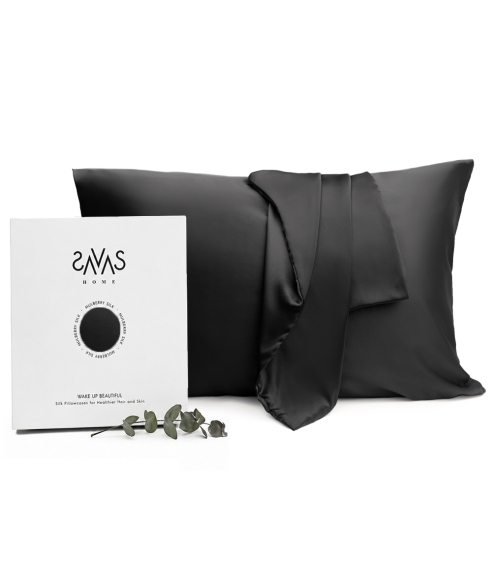
Silk Pillowcase „Onyx“
39,50€ 78,99€
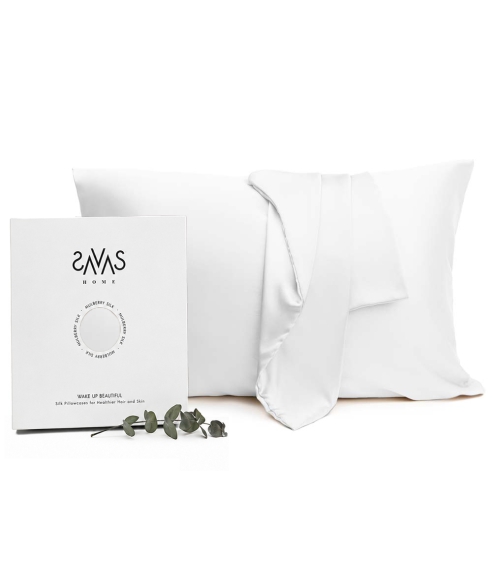
Silk Pillowcase „Snow“
39,50€ 78,99€
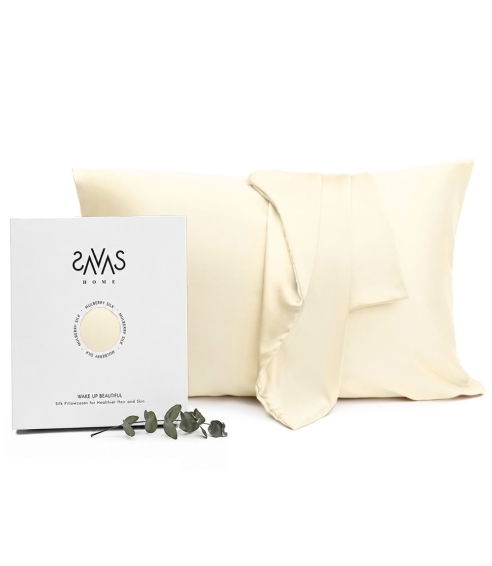
Silk pillowcase „Cream“
39,50€ 78,99€
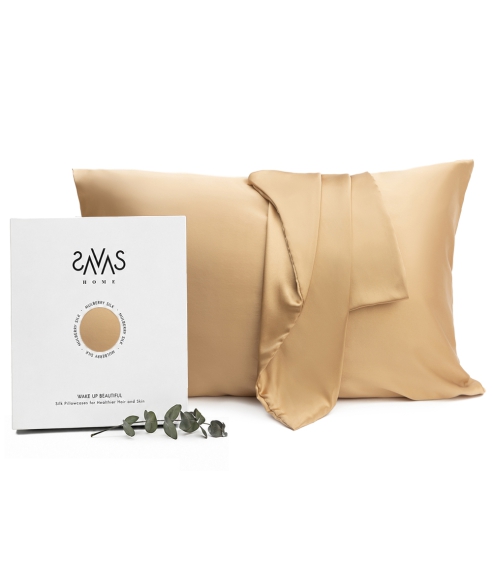
Silk Pillowcase „Sandstone“
39,50€ 78,99€
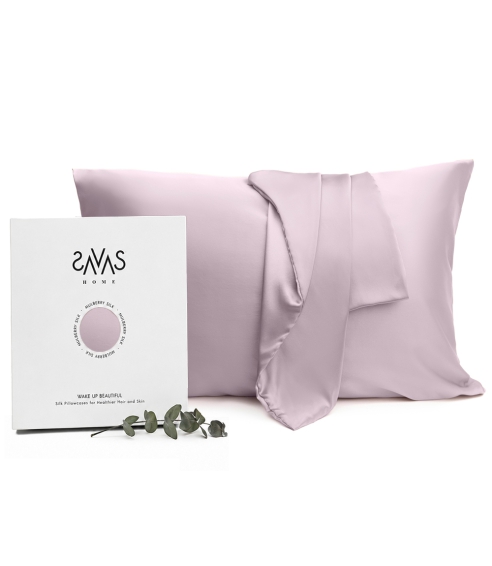
Silk Pillowcase „Perfume“
39,50€ 78,99€
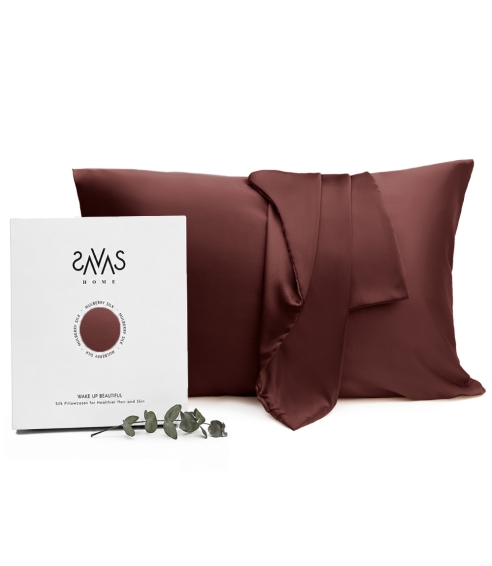
Silk Pillowcase „Hickory“
39,50€ 78,99€
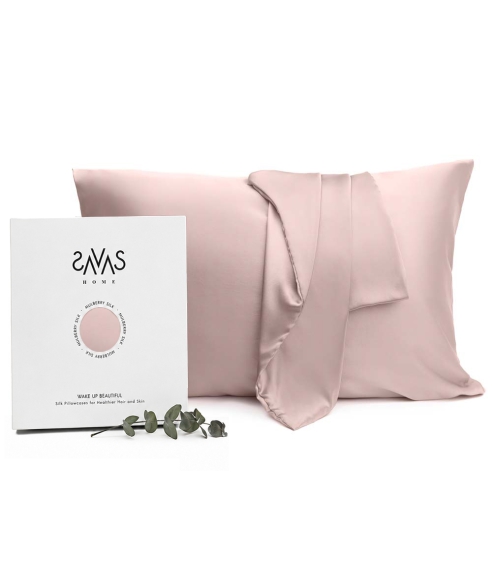
Silk pillowcase „Antico“
39,50€ 78,99€
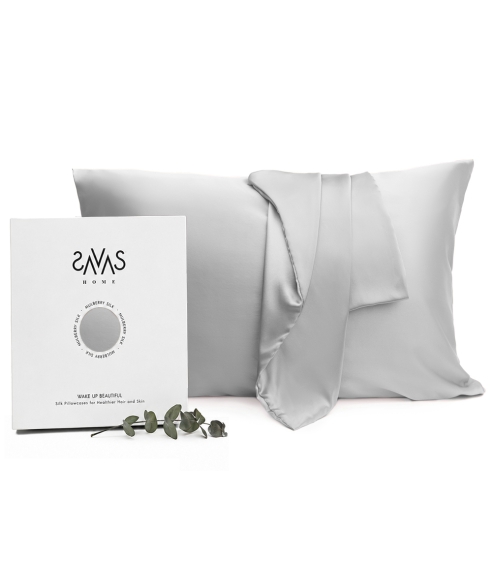
Silk Pillowcase „Platinum“
39,50€ 78,99€
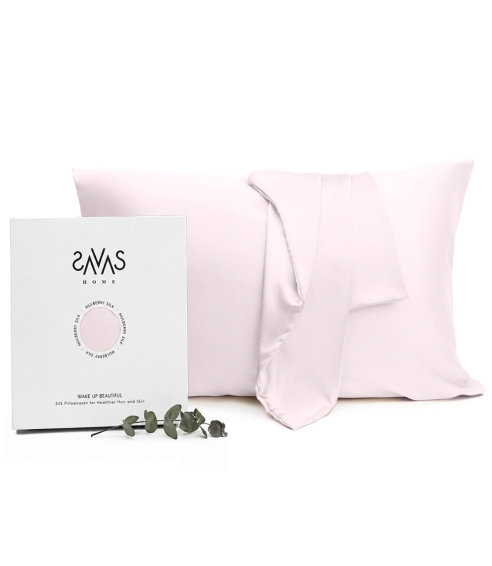
Silk Pillowcase „Luxe Pink“
39,50€ 78,99€
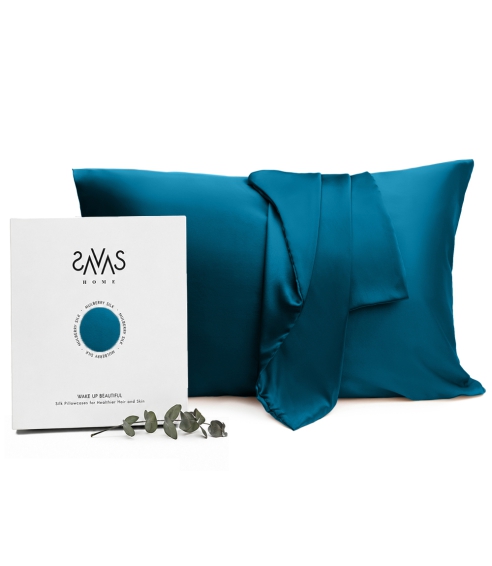
Silk Pillowcase „Turquoise“
39,50€ 78,99€
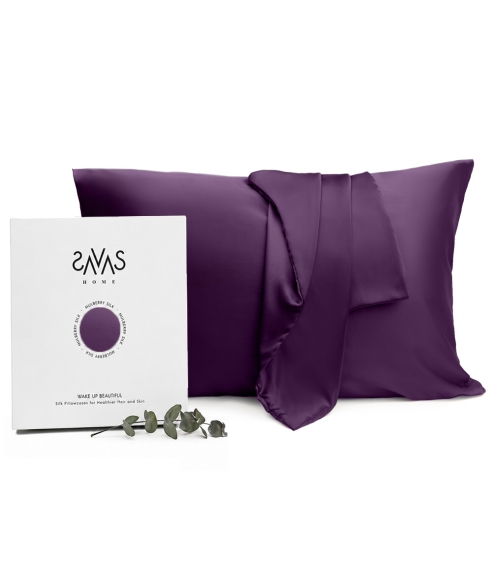
Silk pillowcase "Heather"
39,50€ 78,99€
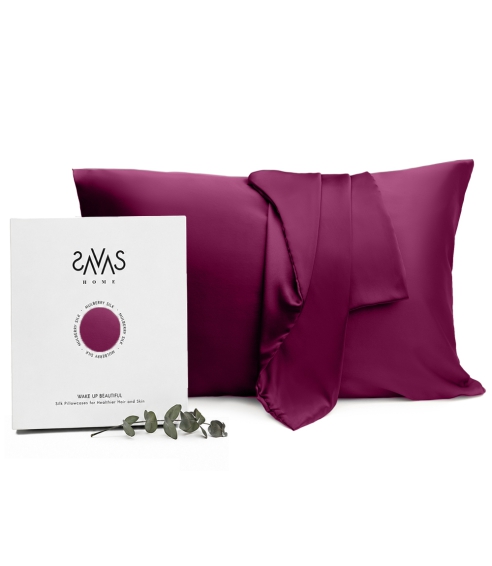
Silk Pillowcase „Sangria“
39,50€ 78,99€
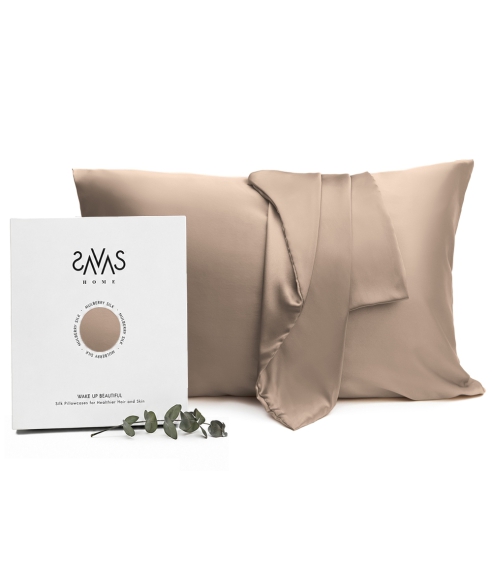
Silk Pillowcase „Saddle“
39,50€ 78,99€
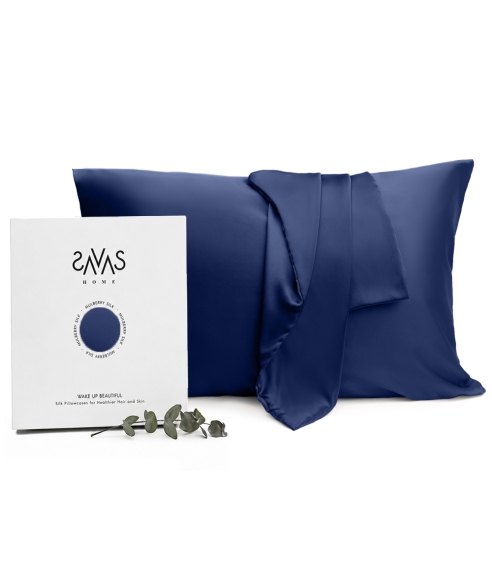
Silk Pillowcase "Indigo"
39,50€ 78,99€
%20(1680%20x%202000%20px)%20(1680%20x%202000%20px)%20(1800%20x%201800%20px)-cr-326x372.jpg "Why are silk pillowcases a great gift?")
%20(1680%20x%202000%20px)%20(1680%20x%202000%20px)%20(1800%20x%201800%20px)-cr-326x372.png "Why a Silk Pillowcase Is Called a Beauty Treatment During Sleep")
-cr-326x372.jpg "Silk hair ties: natural moisture for your hair")
-cr-326x372.jpg "Silk Bedding: Luxury and Comfort in the Bedroom")