
All About Sleepwalking: Causes, Symptoms, and Treatment Methods
Have you ever woken up on the sofa with the lights on, even though you clearly fell asleep in bed? Or seen your roommate pacing the room at night with glassy eyes, mumbling and wandering for no clear reason? If they don’t remember any of it the next morning, you’ve likely encountered sleepwalking.
About 2.5% of adults experience sleepwalking episodes, but the phenomenon is still not fully understood. The good news is there are ways to reduce its frequency and help yourself or loved ones get more restful sleep.
What is sleepwalking?
Sleepwalking (somnambulism) is a parasomnia—a group of sleep disorders—where someone performs various actions during deep sleep. A sleepwalker may walk, talk, or even carry out routine tasks while still asleep.
It most often affects children (3–15%), who usually outgrow it by adolescence. In adults it’s rarer but can be triggered by factors like sleep deprivation or stress.
A sleepwalker may appear awake—eyes open and “glassy”—yet have no memory of it afterward. Some simply sit up, speak, or wander around; others have been known to cook, leave the house, or even drive. For safety, it’s crucial to create a secure environment and take precautions against dangerous situations.
What causes sleepwalking?
Researchers believe it can be hereditary—if your family has a history, your risk is higher. Other triggers include:
-
Sleep deprivation: stress on the brain disrupts normal sleep phase transitions.
-
Stress and anxiety: emotional overload can throw off your sleep cycle.
-
Alcohol or certain medications: sedatives, sleeping pills, even some antihistamines may provoke episodes.
-
Other sleep disorders: e.g., obstructive sleep apnea can contribute.
If adult sleepwalking occurs, consult a sleep specialist to rule out underlying health issues.
How to reduce sleepwalking?
There’s no single cure, but better sleep habits can help:
-
Keep a regular sleep schedule—go to bed and wake up at the same time, even on weekends.
-
Avoid sleep deprivation—aim for 7–9 hours per night.
-
Relax before bed—take a warm bath, read, or meditate to lower stress.
-
Skip alcohol and heavy medications—they can fragment sleep.
If you or a loved one sleepwalks, make the bedroom safe:
-
Lock doors and windows to prevent wandering outside.
-
Remove hazards—clear sharp or heavy objects.
-
Avoid bunk beds—to reduce fall risk.
What if your partner sleepwalks?
Contrary to myth, it’s okay to gently wake them if they’re in danger, or guide them back to bed. Be cautious—they may be disoriented or even agitated, though they won’t recall it.
If sleepwalking is frequent or problematic, a sleep study can diagnose any underlying disorder and guide treatment.
Sleepwalking can seem bizarre or frightening, but with the right strategies, it can be managed. For a calm, cozy sleep environment—where quality rest begins—explore Savashome premium bedding.

Premium Sateen Bedding Set „Classic grey“
49,69€ 70,99€

Premium Sateen Bedding Set „Midnight“
53,89€ 76,99€

Bedding Set „Pearl“
26,94€ 48,99€

Bedding Set „Latte“
24,50€ 48,99€

Bedding Set „Juniper“
24,50€ 48,99€

Bedding Set „Gull“
24,50€ 48,99€

Bedding Set „Nimbus“
21,56€ 48,99€
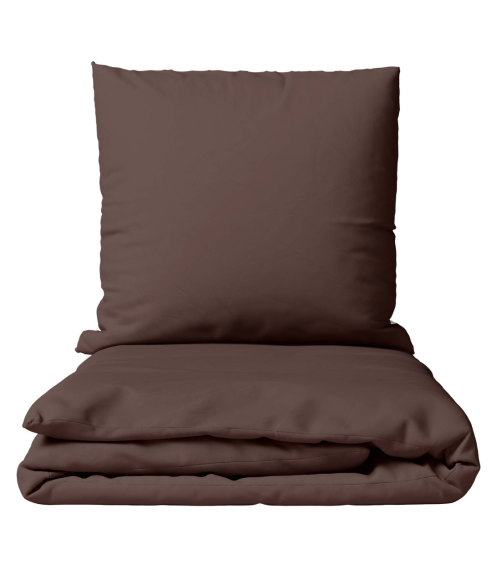
Bedding Set „Shaved chocolat“
21,56€ 48,99€

Bedding Set „Crystal pink“
22,05€ 48,99€
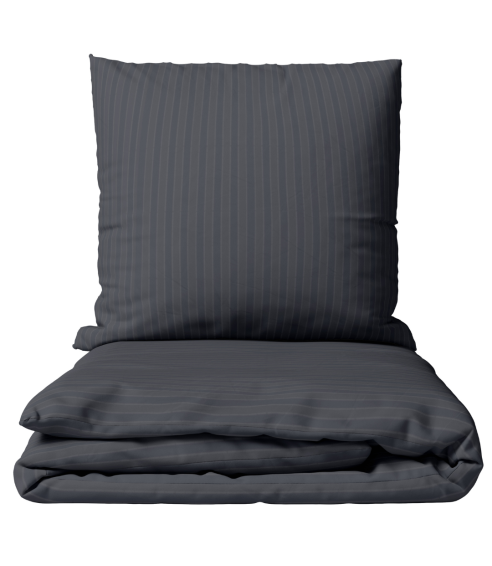
Premium Sateen Bedding Set „Graphite Stripe Satin“
70,99€

%20(1680%20x%202000%20px)%20(1680%20x%202000%20px)%20(1800%20x%201800%20px)-cr-326x372.jpg "Does a sleep mask help you sleep better?")
%20(1680%20x%202000%20px)%20(1680%20x%202000%20px)%20(1800%20x%201800%20px)-cr-326x372.jpg "Sleep apnea: causes, symptoms, and treatment")
%20(1680%20x%202000%20px)%20(1680%20x%202000%20px)%20(1800%20x%201800%20px)-cr-326x372.jpg "Oversleeping: why it’s a problem and how to address it")
