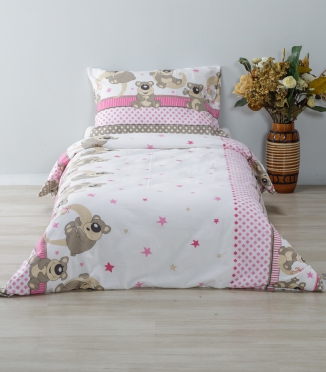
Children’s Restless Sleep
Children’s sleep is undoubtedly one of the most important factors for their healthy development and well‑being. Still, many parents face the challenge of their children sleeping restlessly and not achieving deep, restorative rest. Restless sleep can have various causes, and one of them may be unsuitable bedding. In this blog post, we’ll examine the reasons for children’s restless sleep and the importance of choosing the right bedding to improve your child’s sleep quality.
Sleep is crucial for little ones of every age. Babies up to one year old can spend up to 15 hours a day in their crib. As they grow, sleep time decreases, but by age 12 it still averages around nine hours. If you notice your child or baby is restless, first check their bedding. Choosing the right bedding is more important than you might think. So what can you do to help your children sleep soundly and well? You can find all the essentials for your little ones at Savashome.
-
Reasons kids sleep restlessly
-
Irregular sleep schedule: Unsettled or inconsistent bedtime routines can disrupt a child’s sleep cycle and lead to restlessness.
-
Stress and anxiety: Even children experience stress and worry, which can impact sleep quality.
-
Discomfort: Uncomfortable bedding or pillows can disturb a child’s sleep and cause physical discomfort.
-
Allergies and irritation: The wrong bedding can trigger allergic reactions or skin irritation.
-
Environmental factors: Inadequate warmth, light, or noise in the bedroom can interfere with a child’s sleep.
-
-
Why proper bedding matters for children’s sleep
-
Comfort: Soft, cozy bedding makes it easier for a child to fall asleep and stay asleep peacefully.
-
Health: Hypoallergenic and natural materials reduce the risk of allergies and skin irritation, especially in children with sensitive skin.
-
Temperature regulation: The right bedding helps maintain an optimal bedroom climate so the child neither overheats nor chills.
-
Support: Ergonomic pillows and well‑fitting covers support proper head and neck alignment and prevent physical discomfort.
-
-
Tips for choosing the right bedding
-
Natural materials: Opt for 100% cotton or bamboo to minimize irritation and allergic reactions.
-
Hypoallergenic: Choose bedding designed to block allergens and dust mites from lodging in the fabric.
-
Ergonomic pillow: Select a pillow suited to your child’s age and sleep needs for proper neck support.
-
Correct size: Make sure the bedding matches the child’s bed dimensions for a snug fit.
-
Sleepwear: Don’t forget comfortable sleepwear that keeps your child at just the right temperature.
-
-
Create a sleep‑friendly environment
Beyond choosing the right bedding, keep the bedroom cool, dark, and quiet. Use a nightlight if your child fears the dark, and maintain a clean, tidy room.
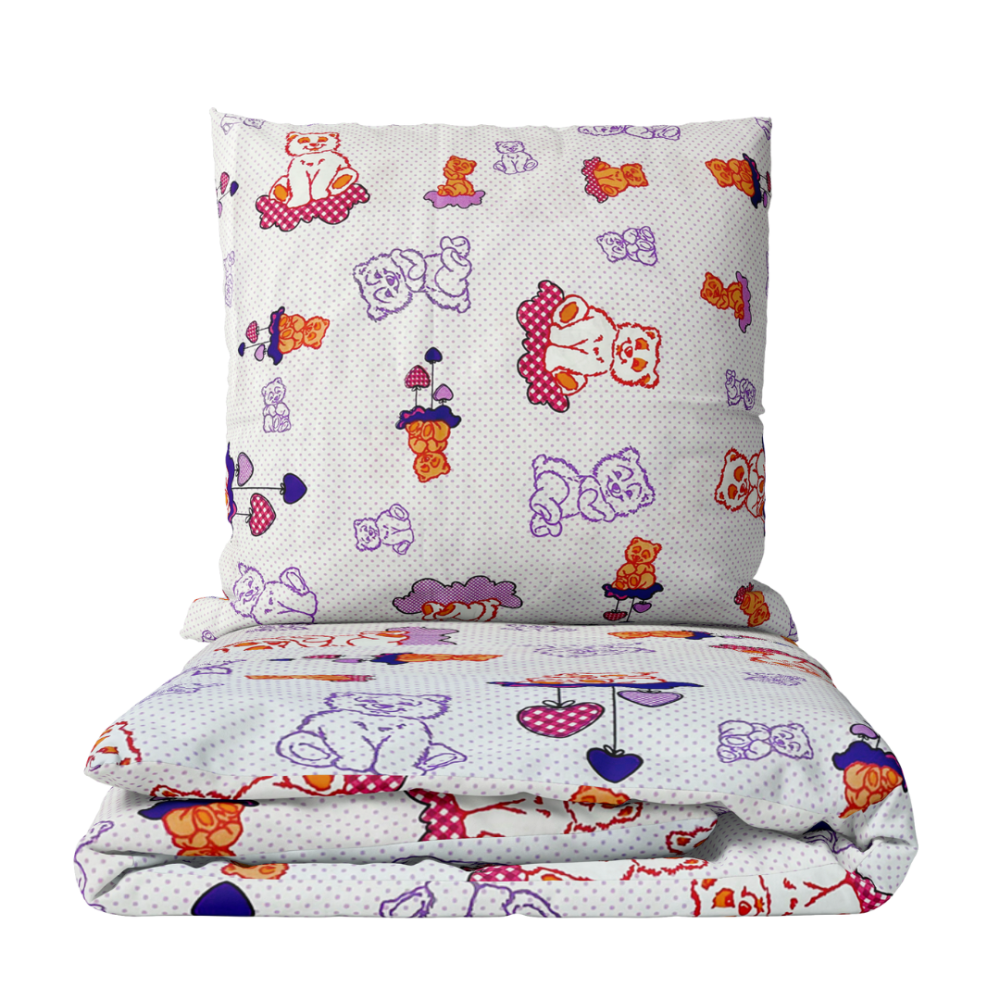
Soft, Gentle Bedding for Children
All little ones love softness, and for babies it’s essential. A child’s skin is far more delicate than an adult’s and more prone to irritation, allergic reactions, or infection. That’s why it’s vital to choose bedding that stays soft even after many washes. To avoid rough surfaces and reactions, look for natural‑fiber bedding. This ensures comfort and calm, with no scratching or itching. Also check the finish: there should be no buttons, exposed zippers, or other sharp parts.
Cotton, sateen, and flannel are ideal—they stay soft after washing. If you want extra smoothness, wash at 40 °C and iron the bedding to kill microbes and seal the fibers into a smooth, even surface.
Natural Bedding for Better Temperature Control
One common cause of children’s sleeplessness is overheating. Adults can regulate their body temperature well, but children cannot. Therefore, natural bedding—which breathes, wicks moisture, and prevents “cold sweat”—is recommended. Children move a lot in their sleep, so natural fibers like cotton and linen help avoid overheating or chilling. Synthetic fabrics trap heat and prevent airflow, leading to wakefulness.
Bedding Size Matters
It may seem trivial, but standard children’s bedding sizes exist for a reason. For the youngest, bedding is typically 100 × 130 cm; for older kids and teens, 90 × 200 cm. Children move constantly, so the right size prevents the cover from feeling too heavy, bunching up, or slipping off the bed—common causes of waking.
A well‑fitting cover helps your child sleep better. If you’re unsure about warmth, you can always add a removable cover.
Fitted Sheets for Kids
You’ll find many types of children’s sheets, but fitted sheets are one of the best choices. Whether your child jumps in bed first thing in the morning or settles down quickly at night, a fitted sheet always stays in place. It’s practical, soft, and provides a smooth foundation so your child sleeps undisturbed. When loose bedding wrinkles or bunches—especially if the bed is left upright—it can create unnoticed discomfort that harms overall sleep quality and rest.
Conclusion:
Children’s restless sleep can stem from many factors, but the right bedding can greatly improve sleep quality. By choosing natural materials, hypoallergenic options, and ergonomic pillows, you’ll ensure your child’s comfort, a healthy sleep environment, and restful nights. Combine thoughtful bedding choices with a supportive bedroom setup, and you’ll help your child get the best sleep they need for healthy growth and well‑being.
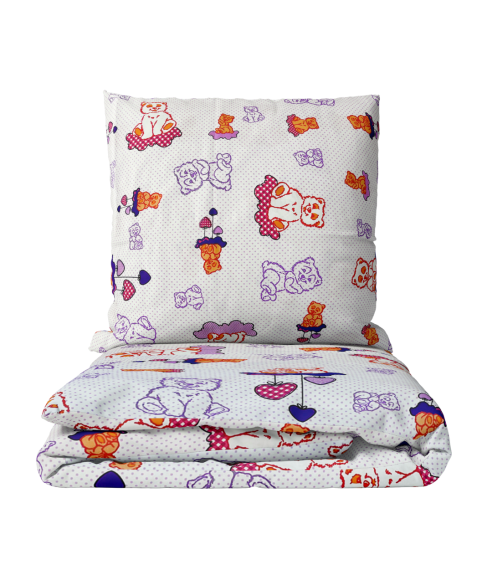
Children’s Bedding Set „Violet bears”
21,99€ 39,99€
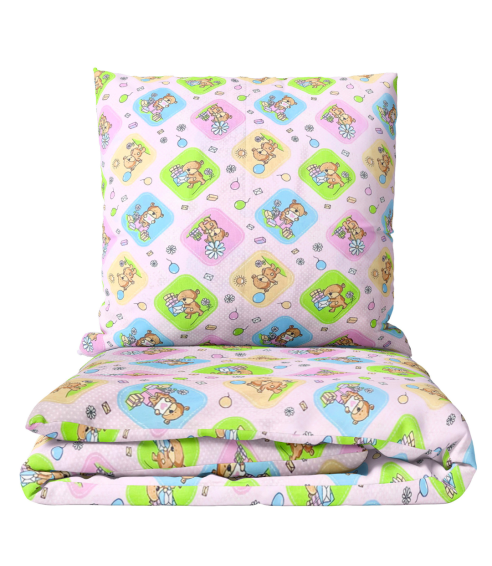
Children’s Bedding Set „Lofton”
24,74€ 44,99€
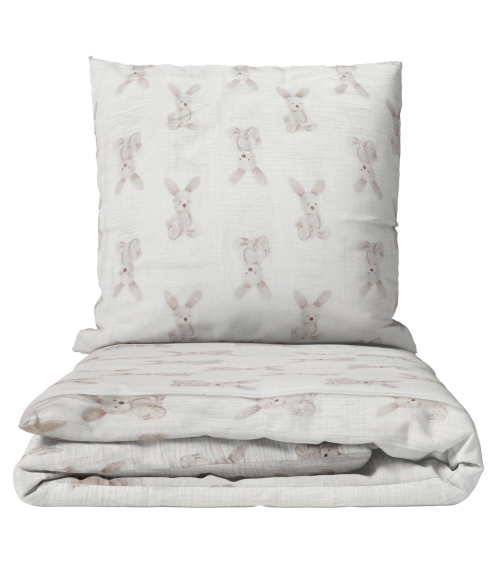
Muslin Bedding Set “Sweet Bunny Rest”
48,44€ 56,99€
-cr-326x372.jpg "Sleep disorders in children: what should parents watch for?")
%20(1)-cr-326x372.jpg "Tips for Traveling with Young Children")