
How Quality Bedding Can Improve Sleep Quality
Each of us wants to wake up feeling refreshed and well‑rested. Yet not everyone realizes that one of the most important factors for quality sleep is choosing the right bedding. While mattresses and pillows often get the most attention, the fabric, breathability, and softness of your sheets and covers also have a direct impact on how well you sleep.
.jpg)
1. Breathable Fabrics—The Key to a Cooler, Calmer Sleep
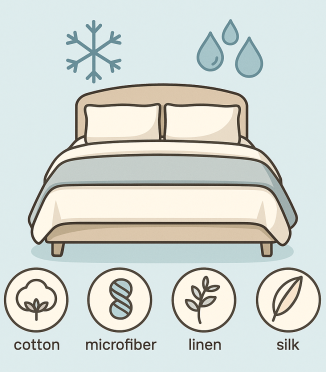
The material of your bedding directly affects how well you rest. One of the most critical qualities is breathability, which helps regulate body temperature and reduce night sweats. Natural fibers—such as cotton, linen, or silk—allow your skin to breathe and maintain an optimal microclimate in bed. This is vital for anyone who runs hot, sweats at night, or wakes up uncomfortable.
-
Cotton absorbs moisture and wicks it away, making sleep cooler and more pleasant.
-
Linen not only breathes but also naturally regulates temperature—cooling in summer and warming in winter.
-
Silk is a natural thermoregulator, ideal for sensitive or allergy‑prone skin.
High‑quality microfiber, though synthetic, can also be an excellent choice. Well‑made microfiber bedding is lightweight, soft, and breathable, with a structure that evaporates moisture quickly—keeping your bed dry and cool, especially when you wash your sheets often.
Choosing breathable bedding—whether natural or premium microfiber—can improve sleep quality, reduce discomfort, and help you enjoy deeper, more restful nights.
2. Softness & Tactile Comfort
A smooth, pleasant‑to‑the‑touch bedding isn’t just an aesthetic choice—it’s essential for anyone with sensitive or easily irritated skin. High‑quality fabrics that gently hug your body help you relax faster, feel cozy, and fall asleep more quickly.
Luxury touches include:
-
Sateen: Combed cotton with a subtle sheen and ultra‑smooth surface—both comfortable and visually elegant.
-
Percale: A tightly woven but lightweight cotton ideal for warm nights or those who prefer a cool feel.
-
Silk: Renowned for its silky smoothness, cooling effect, and hypoallergenic qualities—perfect for irritated or allergy‑prone skin.
Don’t overlook microfiber: top‑grade microfiber can feel incredibly soft—almost like flannel or combed cotton—offering comfort at an accessible price. It won’t irritate skin, dries quickly, and is easy to care for.
Even linen, which traditionally feels coarser, is now finished to feel soft and improves with every wash, preserving its natural texture and gentle touch.
In summary, a soft fabric is integral to sleep quality: it envelops your body comfortably, creating a safe, cozy atmosphere that helps you unwind. Whether you choose silk, microfiber, or cotton, the most important thing is that your bedding feels delightful against your skin.
3. Allergy Prevention
Sleep quality depends not only on comfort but also on the cleanliness of your sleep environment. Many people—especially those with sensitive skin, dust allergies, or respiratory issues—find fabric composition crucial. Lower‑quality synthetics tend to trap dust, sweat, skin cells, and bacteria, which over time can trigger sneezing, congestion, itchy eyes, or even disrupt sleep.
To avoid this, opt for natural, hypoallergenic materials:
-
Linen: Naturally antibacterial and resistant to dust mites—ideal for allergy sufferers.
-
Bamboo fiber: Naturally antimicrobial, hypoallergenic, moisture‑wicking, and breathable.
-
Organic cotton: Unsized and undyed with harsh chemicals, it’s gentle on skin and allergy‑friendly.
-
Silk: One of the most hypoallergenic fabrics, repelling dust mites and other allergens.
High‑quality microfiber can also work for allergy sufferers if it’s tightly woven and dense enough to block mites—and can be washed at high temperatures for easy hygiene. But be sure to choose only top‑grade microfiber, as cheaper versions may generate static and attract dust.
Regularly changing and carefully selecting your bedding keeps your bed feeling fresh and helps reduce respiratory irritation for sensitive or allergic sleepers. Pick fabrics that feel good on your skin and support a healthier, cleaner sleep environment.
4. Proper Fit & Tuck
Even the most luxurious sheet can disrupt sleep if it slips or bunches up at night. Choose fitted sheets with elastic edges that hug your mattress securely, so they stay smooth and in place all night.
5. Emotional Comfort & Aesthetic Calm
Cozy bedding isn’t just functional. Pleasing color palettes, crisp fabrics, and a neatly made bed have a psychological effect—they help you relax and prepare mentally for rest. A calm, neutral color scheme is particularly effective at creating a serene bedroom atmosphere.
In Conclusion: An Investment That Pays Off Every Night
Though bedding might seem secondary, choosing it wisely directly contributes to better sleep. It’s about more than looks—it’s about health, rest, and waking up feeling your best.
If you’re looking for bedding that truly enhances your sleep, choose breathable natural fabrics, consider seasonal needs and bed size, and above all, treat yourself to the quality rest you deserve.
Shop quality bedding at Savashome for soft touches, breathable comfort, and a beautifully inviting bed every night.
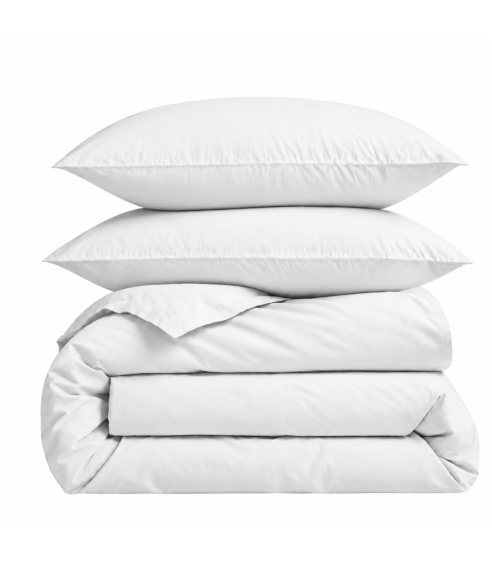
Premium Sateen Bedding Set „Classic White“
49,69€ 70,99€
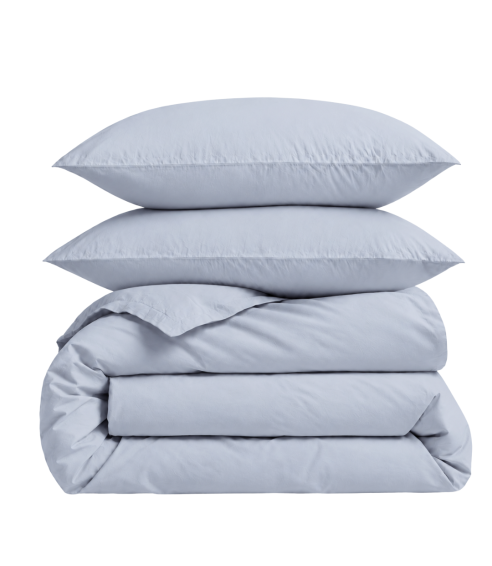
Premium Sateen Bedding Set „Classic grey“
49,69€ 70,99€
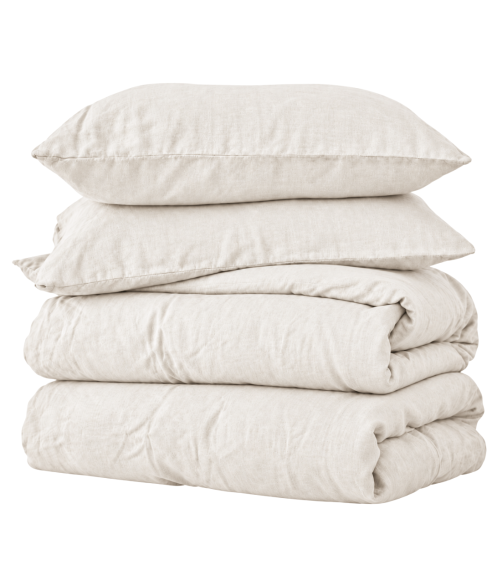
Linen bedding set „Linen white“
125,99€ 139,99€
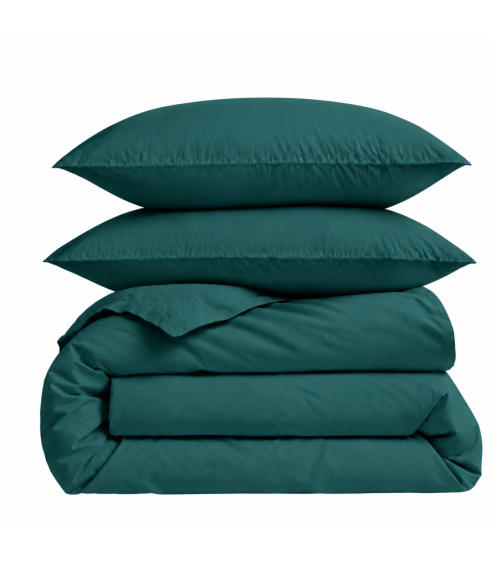
Premium Sateen Bedding Set „Green Sateen“
46,14€ 70,99€
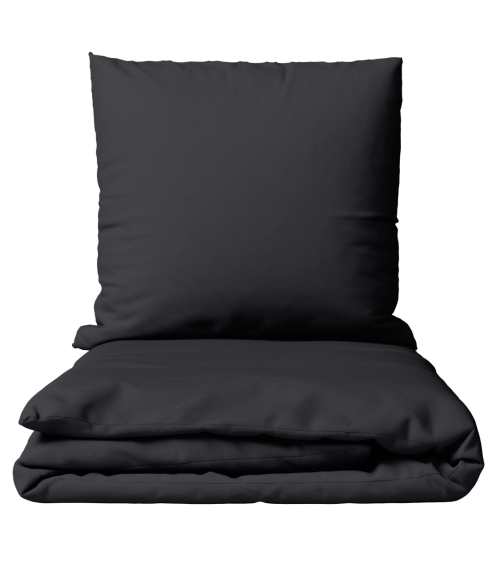
Premium Sateen Bedding Set „Graphite Satin“
46,19€ 76,99€
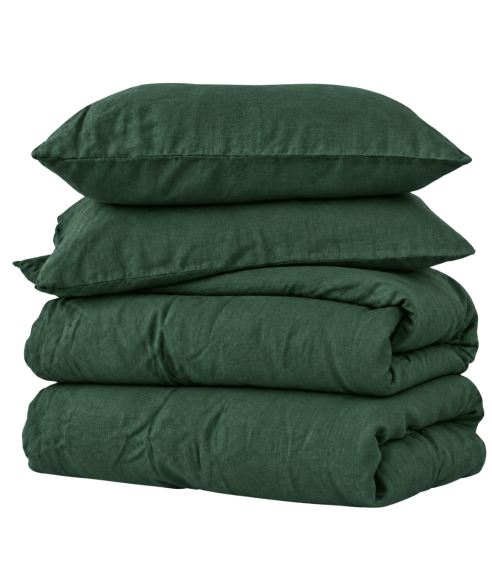
Linen bedding set „Linen Dark Green“
128,79€ 139,99€
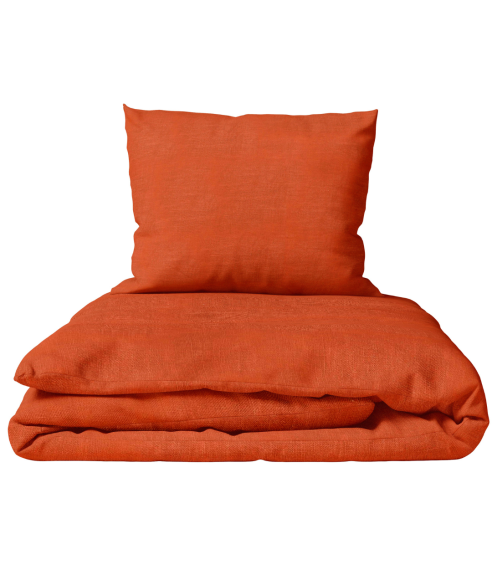
Linen Bedding Set “Linen Orange”
99,99€
-cr-326x372.jpg "Natural or synthetic bedding: the difference you feel at night")
%20(1680%20x%202000%20px)%20(1680%20x%202000%20px)%20(1800%20x%201800%20px)-cr-326x372.jpg "Best Fabrics for Bedding: A Comfort and Style Guide")
e%20(1080%20×%201080px)-cr-326x372.jpg "Everything About Cotton Bedding: Softness and Naturalness")