Natural or synthetic bedding: the difference you feel at night
When choosing bedding, it’s important to consider various factors that can affect your sleep quality and comfort. One of the key questions many people face is whether to choose natural or synthetic bedding. This decision depends on your needs, habits, and even skin sensitivity. Let’s review the advantages and disadvantages of each type so you can more easily decide which option suits you best.
.jpg)
Natural Bedding: Pros and Cons
Natural materials like cotton, linen, bamboo, or silk offer many benefits that appeal to those who value eco‑friendliness and natural comfort.
Advantages:
-
Breathability & moisture regulation
Cotton, linen, and bamboo absorb and wick moisture extremely well. They allow your skin to breathe and help prevent nighttime sweating. -
Hypoallergenic properties
Natural fabrics are generally less likely to trigger allergies. They don’t encourage dust‑mite or other allergen growth, making them ideal for allergy sufferers. -
Soft, natural feel
Many people appreciate the gentle, cozy sensation of natural fibers against the skin. -
Eco‑friendly
When sourced sustainably and grown organically, these materials have a lower environmental impact than synthetics.
Disadvantages:
-
Higher cost
High‑quality or certified organic natural bedding often costs more than synthetic alternatives. -
More delicate care
Some natural fabrics—especially silk—require special handling, such as hand washing or dry cleaning. -
Wrinkling
Materials like linen tend to wrinkle and may need ironing to maintain a neat appearance.
Synthetic Bedding: Pros and Cons
Synthetic fabrics such as polyester or microfiber also bring benefits and can be a great choice depending on your needs and budget.
Advantages:
-
Affordability
Synthetic bedding is usually less expensive, making it an economical option. -
Easy care
These fabrics resist wrinkles, wash easily in a machine, and require minimal upkeep—perfect for busy households. -
Quick drying
Since they absorb less moisture, synthetic sheets dry rapidly, ideal if you wash bedding frequently or have limited drying space. -
Allergy resistance
Many synthetic weaves resist dust mites, which can benefit those with allergies. -
Durability
Synthetics often withstand wear and tear better, maintaining their look over time.
Disadvantages:
-
Less breathable
Synthetics don’t ventilate or wick moisture as well, which some sleepers find too warm.
Which Should You Choose?
When deciding between natural and synthetic bedding, consider your lifestyle and priorities:
-
If comfort, natural feel, and wellness are paramount—and your budget allows—natural bedding may be the better choice. It’s especially suited to those with sensitive skin or allergies.
-
If cost‑effectiveness, ease of care, and practicality top your list, synthetic fabrics are an excellent option. They’re perfect for frequent changes, like kids’ rooms or guest beds.
Both types have their place. The best choice depends on your personal needs—and if possible, having both lets you swap bedding seasonally or as your situation requires.
Visit Savashome store to find both natural and synthetic bedding sets that ensure your sleep is as comfortable and healthy as possible!
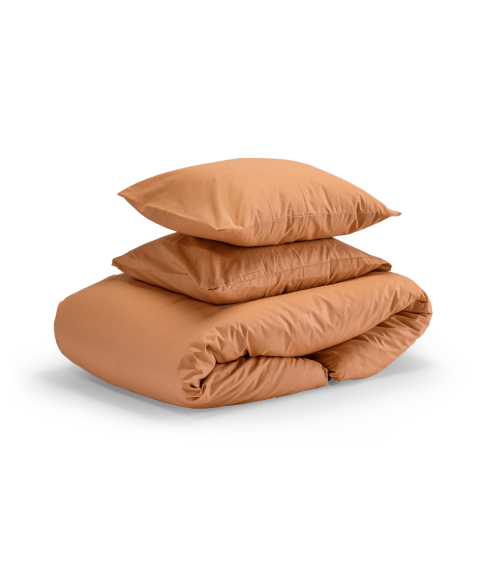
Beddgin Set „Classic orange“
48,99€
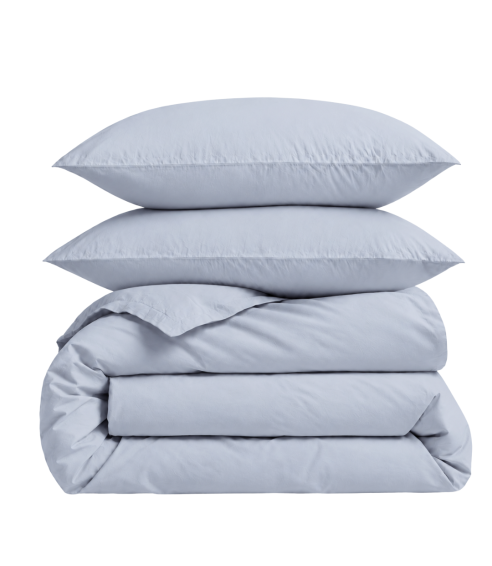
Premium Sateen Bedding Set „Classic grey“
49,69€ 70,99€
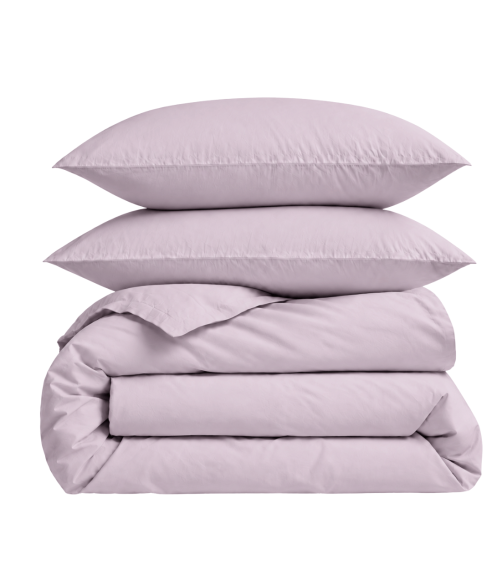
Bedding Set „Ash rose“
26,94€ 48,99€
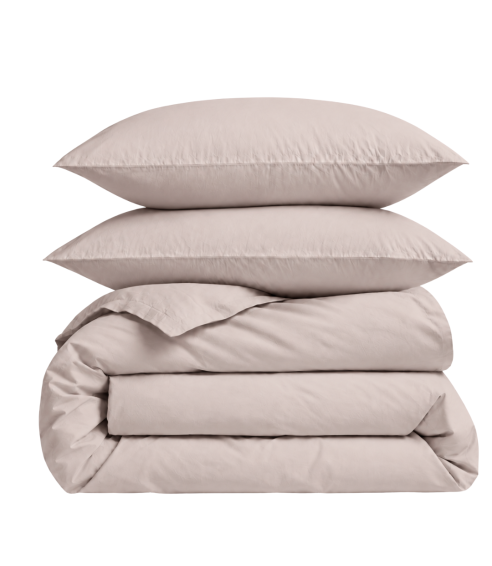
Bedding Set „Kremo“
22,50€ 44,99€
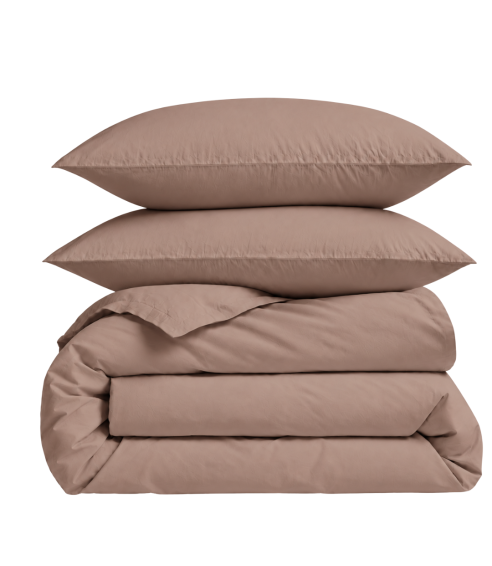
Bedding Set „Latte“
24,50€ 48,99€
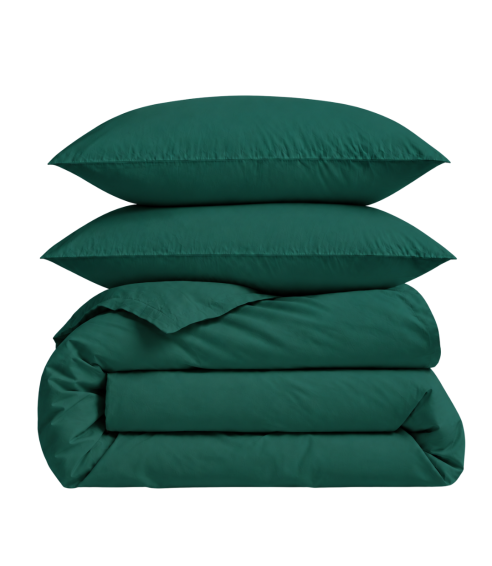
Bedding Set „Juniper“
24,50€ 48,99€
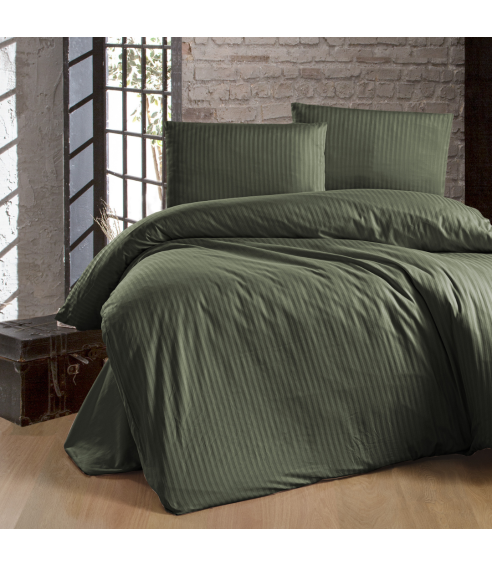
Premium Sateen Bedding Set „Dark Green Stripe“
49,69€ 70,99€
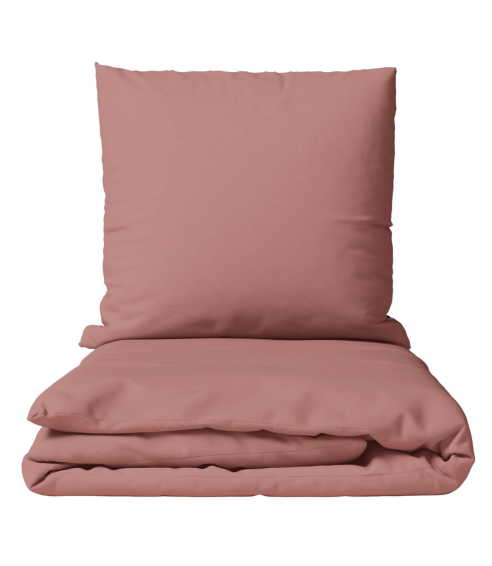
Bedding Set „Ash rose dark“
24,50€ 48,99€
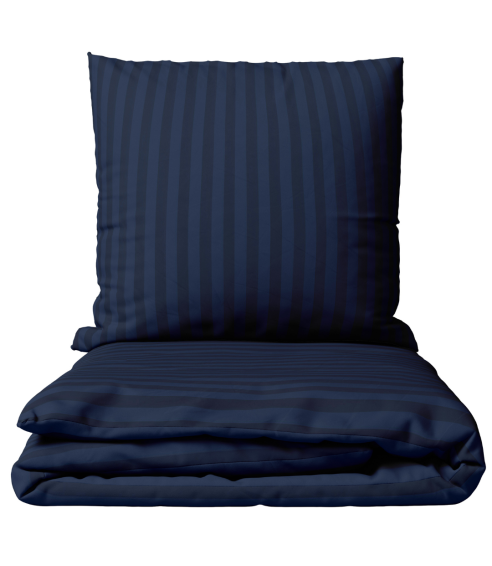
Bedding Set „Dark Blue Stripes“
28,59€ 51,99€
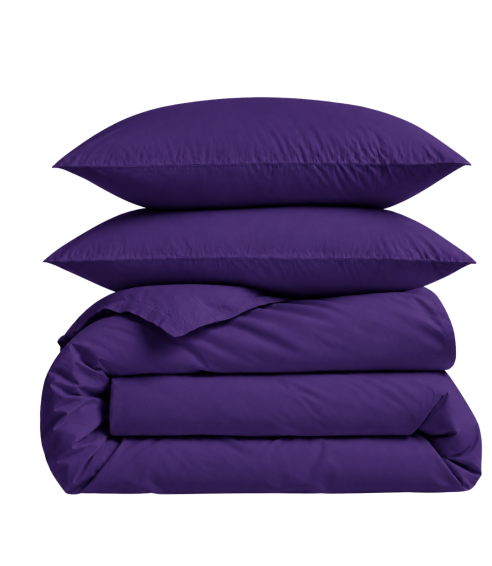
Bedding Set „Pansy“
22,50€ 44,99€
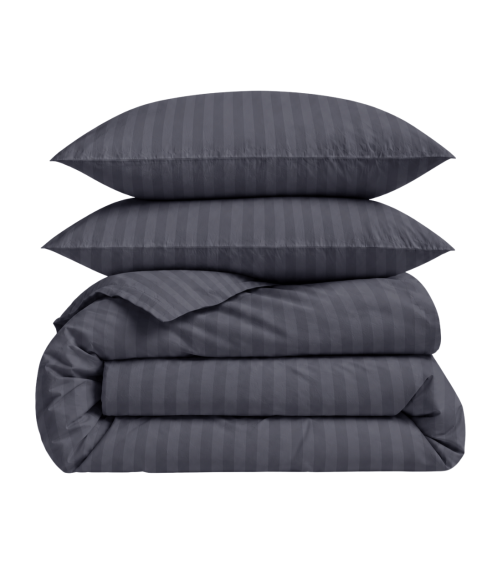
Bedding Set „Iron Stripes“
24,74€ 44,99€
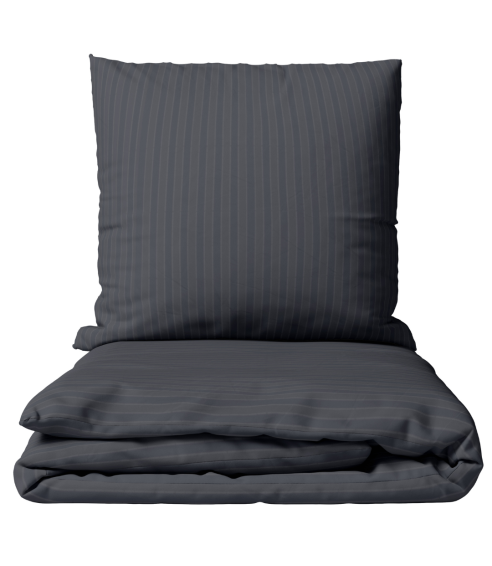
Premium Sateen Bedding Set „Graphite Stripe Satin“
70,99€
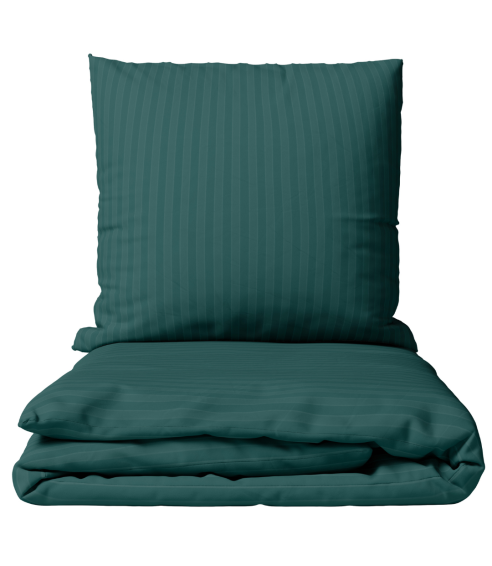
Premium Sateen Bedding Set „Green Stripe Satin“
42,59€ 70,99€
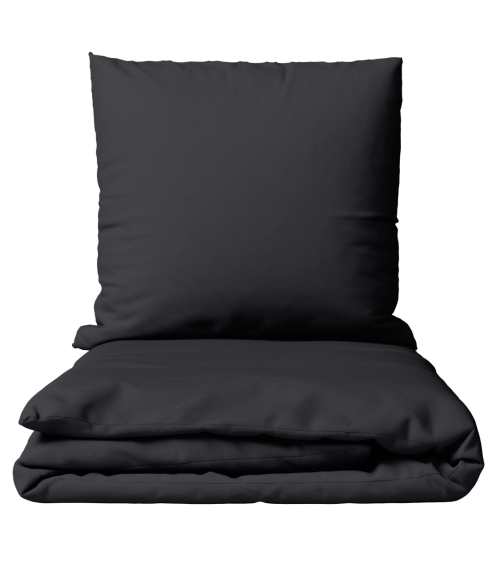
Premium Sateen Bedding Set „Graphite Satin“
46,19€ 76,99€
%20(1680%20x%202000%20px)%20(1680%20x%202000%20px)%20(1800%20x%201800%20px)-cr-326x372.jpg "What is microfiber bedding and why is it worth choosing?")
-cr-326x372.jpg "Weighted blanket: a natural solution for stress and sleep")
%20(1680%20x%202000%20px)%20(1680%20x%202000%20px)%20(1800%20x%201800%20px)-cr-326x372.jpg "Advantages and Care of Microfiber Bedding")
-cr-326x372.jpg "Microfiber Bedding Care: Practical Tips")