How to choose a bed sheet: size, fabric and mattress height
A sheet is often the last thing we buy — by colour, or whatever we grab first. Then in the morning the corners have slipped, the fabric is wrinkled, and we blame everything except the size. The sheet touches your whole body all night, so three things matter more than the pattern: the mattress width and length, its height, and a fabric that matches how you sleep.
Fitted or flat?
A fitted sheet wraps the mattress and should stay put. It suits you if you move a lot in your sleep, share a double bed, or don’t want to tidy the edges every morning. A classic flat sheet is better when the edges tuck easily under the mattress, the mattress is an unusual size, or you want one sheet for several beds. For everyday sleep, most people are more comfortable with a fitted sheet.
The size matches the mattress, not the bed frame
A fitted sheet should be the same size as the mattress, not the bed frame. If the mattress is 160×200 cm, choose a 160×200 cm sheet. A larger fitted sheet “for extra room” wrinkles and slides just like one that is too small.
Measure more than width and length. The third measurement — height — is usually why the corners pop off at night. For a standard 18–25 cm mattress, most fitted sheets work. If the mattress is taller, or there is a topper on it, satin may not reach underneath. Then a jersey knit sheet is better: the stretch fabric adapts where stiff satin already lets go.
A flat sheet needs room to tuck — about twenty centimetres on each side. If you cannot tuck the edges, for example on a sofa bed or a closed frame, take a size close to the mattress and do not expect it to hold like a fitted sheet.
The most common sizes are 90×200, 140×200, 160×200 and 180×200 cm. Before you order, measure the mattress itself, not the memory of the bed you bought years ago.
Fabric depends on how you sleep
“100% cotton” on the label does not mean the sheet will suit you. What matters is how that cotton is woven, and whether you sleep hot, cold, or restless.
Plain cotton breathes, absorbs moisture and suits sensitive skin and children — a calm year-round choice. Jersey cotton is soft like a T-shirt and holds best on a thick mattress. Microfibre satin is smooth, dries quickly and is easy to care for; premium satin gives sheen and a hotel feel, but slides more and prefers a gentler wash. Terry is warmer and fluffier — for winter, or if you like a thicker touch. If you have children, pets or an expensive mattress, it is worth keeping a waterproof layer with a breathable membrane under the everyday sheet, not an old plastic cover.
If you overheat at night, start with cotton. If the sheet keeps slipping, do not change the colour — change the fabric to jersey. If you want a smooth look and bedding from the same family, choose satin.
What product texts often leave out
Elastic all the way around holds more evenly than elastic only at the corners. Two separate mattresses in a double bed usually need two sheets, not one larger one. Wash a new sheet before the first night — you remove the finish and let the fabric shrink as much as it will. Fabric softener weakens the elastic and weighs the fibres down, so it is better to skip it in everyday washing. And the cheapest sheet becomes the most expensive when the elastic gives up after a few weeks and you are still hunting for corners under the mattress.
You will find the right size, fabric and depth for your mattress in the Savas Home sheet category — from cotton and jersey to satin and waterproof models in the usual sizes.
In short: measure the mattress in three numbers, take a fitted sheet in the same width and length, and if the mattress is higher than 25 cm, choose stretch jersey. Leave the colour until last.
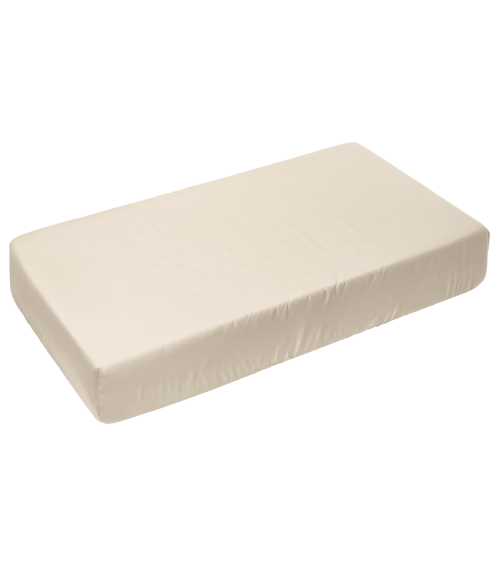
Jersey fitted sheet “Sand”
21,59€ 23,99€
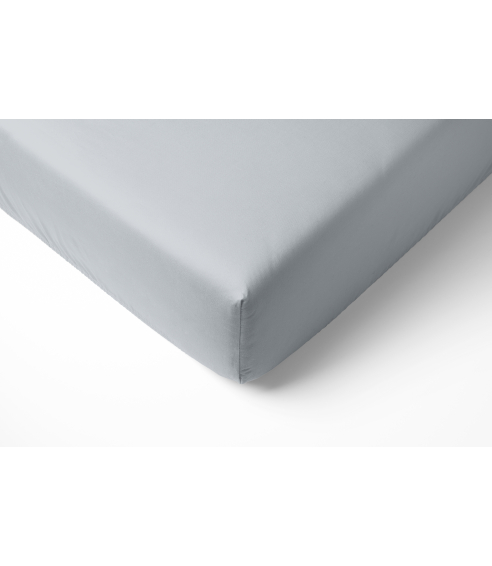
Cotton Fitted Sheet „Grey sky“
21,99€
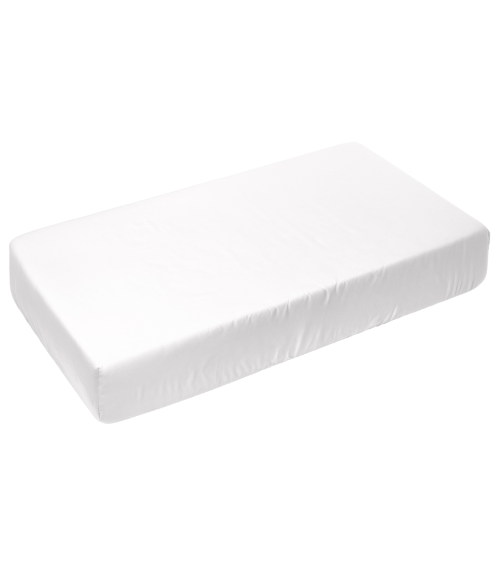
Fitted Sheet „Pearl“
17,99€ 19,99€
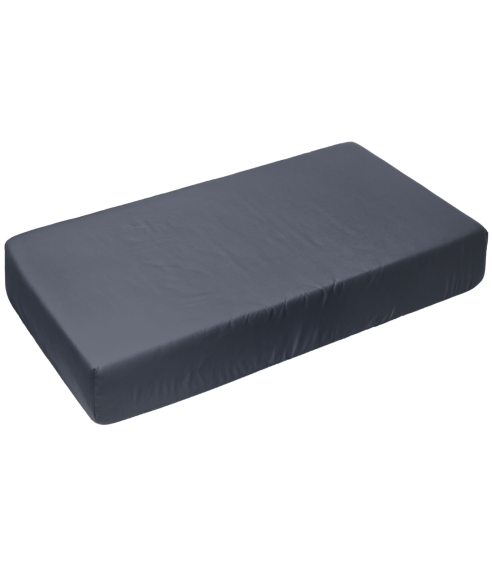
Fitted sheet “Graphite”
17,99€ 19,99€
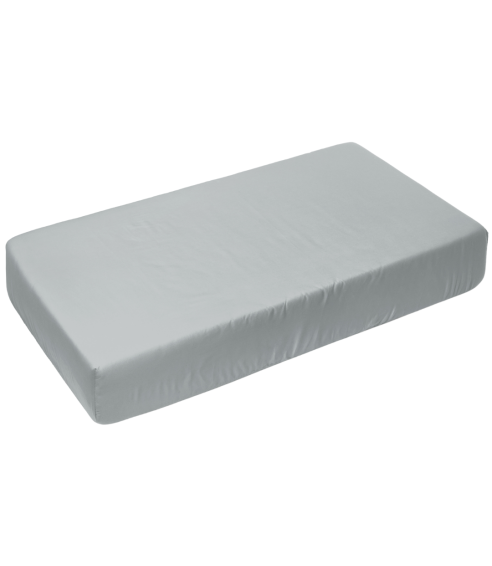
Fitted Sheet "Harbor"
17,99€ 19,99€
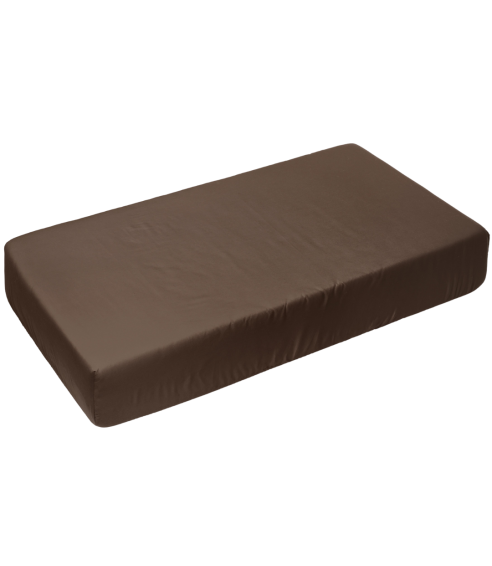
Fitted Sheet „Brunette“
17,99€ 19,99€
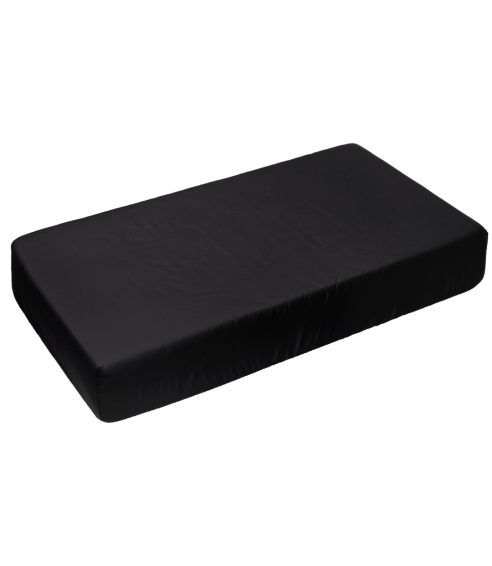
Fitted Sheet "Ozai“
17,99€ 19,99€
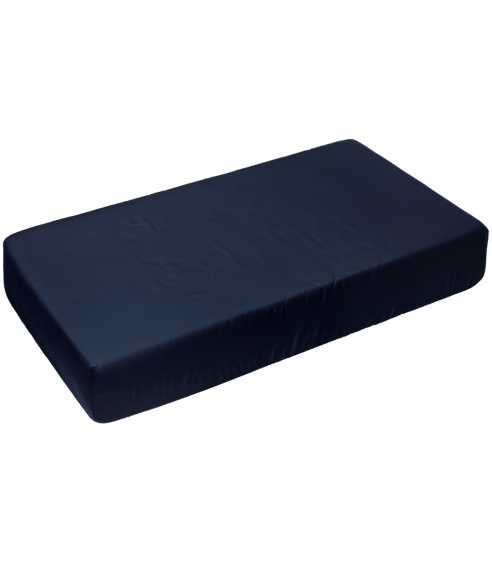
Fitted Sheet „Navy“
17,99€ 19,99€
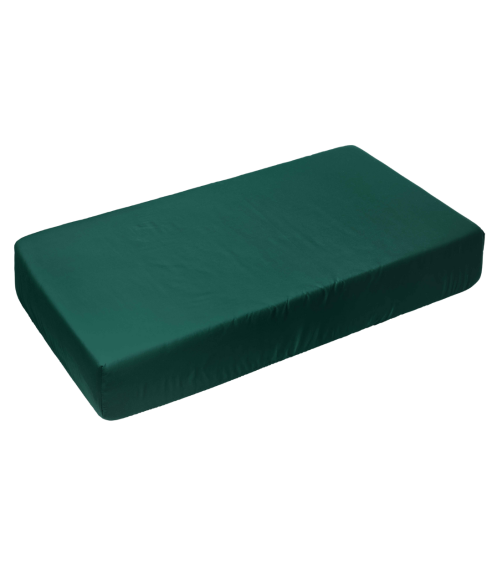
Fitted Sheet "Juniper"
19,79€ 21,99€
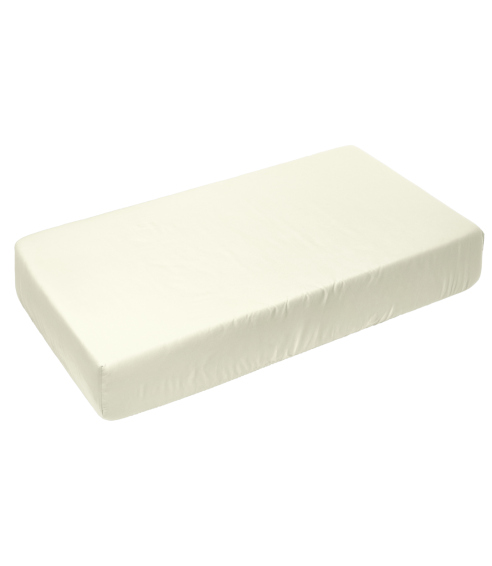
Jersey fitted sheet “Champagne”
21,59€ 23,99€
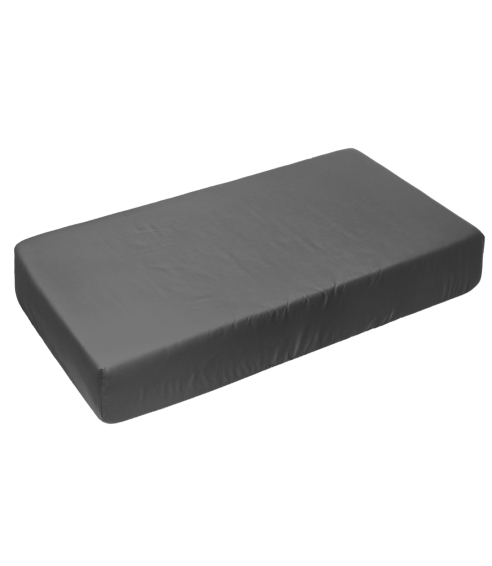
Jersey fitted sheet “Dark Grey Jersey”
21,59€ 23,99€
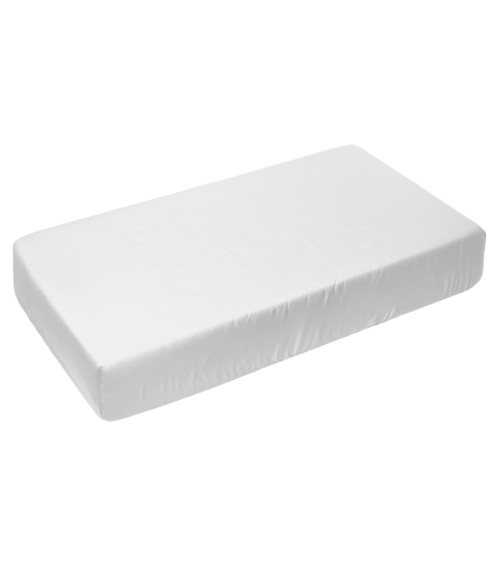
Waterproof fitted sheet „White Waterproof microfiber“
20,89€ 21,99€
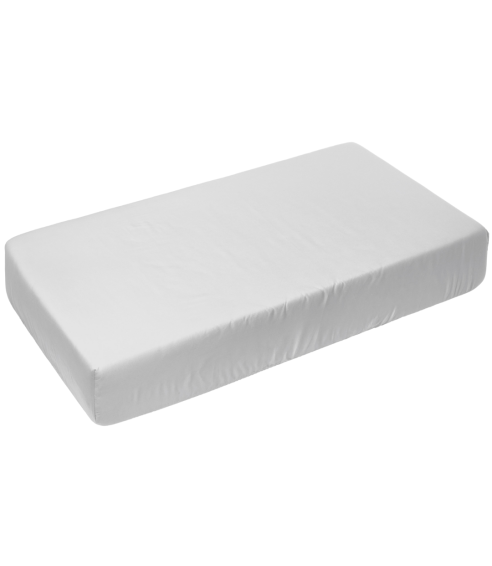
Fitted Sheet "Gray Morn“
17,99€ 19,99€