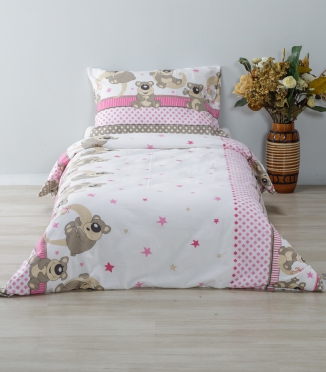
Newborn Sleep Hygiene for Parents: When to Change Bedding and Why
A newborn’s immune system is still developing, and their skin is thinner and more sensitive than an adult’s. This means that everything that comes into contact with a baby during sleep matters more than it might seem at first. Bedding, where a baby may spend up to 16–18 hours a day, can provide a calm and safe environment or become a place where irritants, allergens, and bacteria accumulate. Here is what parents should know about when and why to change a newborn’s bedding.
Why Is Newborn Bedding Hygiene Different From an Adult’s?
For an adult, occasionally spending a week on the same sheet is usually not a major issue. For a newborn, the situation is different:
- The skin’s protective barrier is not yet fully developed, making the skin more sensitive to potential irritants.
- Temperature regulation is still developing – babies can overheat more easily than adults, especially during sleep.
- Spitting up small amounts of milk is normal, but damp bedding can create an environment where bacteria are more likely to grow.
- The immune system is still developing, which makes maintaining a clean sleeping environment particularly important.
When Should You Change a Baby’s Bedding? A Practical Guide
The fitted sheet – once a week or more often when necessary. If your baby has been sweating, spit up milk, or had a diaper leak, change the sheet immediately rather than waiting for the usual change day.
A duvet or swaddle cover – every 3–4 days. If this layer comes into contact with the baby’s face and hands, it may collect more saliva, sweat, and skin cells.
Changing pads or changing liners – after every use if visibly soiled, or at least once a day with regular use.
The crib mattress protector – once a week, as well as immediately after any leak.
After illness or an episode of skin irritation – change the bedding immediately, even if it is not yet time according to your usual routine.
How to Wash Newborn Bedding
- Wash at 60°C or above, when permitted by the product’s care instructions, to help reduce dust mites and bacteria.
- Use a fragrance-free detergent suitable for sensitive baby skin – fragrances and dyes may irritate sensitive skin.
- Avoid fabric softener, as it may leave residues on the fibres that can irritate delicate skin.
- Always wash new bedding before first use, even if it appears clean, as residues from manufacturing may remain on the fabric.
- Dry bedding thoroughly in a well-ventilated area or according to the product’s care instructions. Completely dry bedding is less likely to retain excess moisture.
What Material Is Best for a Newborn?
When choosing baby bedding, good airflow and a soft fabric without rough seams or labels that may rub against the skin are particularly important.
Muslin is commonly used for baby textiles because of its lightweight and breathable structure. It allows moisture to evaporate quickly and can help reduce overheating, which is recognised as a risk factor for sudden infant death syndrome (SIDS).
The SAVAS Home muslin bedding collection is designed with these needs in mind – its lightweight, breathable fabric is suitable even for sensitive baby skin. Other high-quality, soft, easy-to-wash fabrics can also be good options, whether they are made from natural or synthetic fibres, provided that they feel gentle against the skin and do not have harsh chemical finishes.
Safety Reminder
Safe sleep recommendations generally advise keeping a baby’s sleep space as clear as possible during the first months of life. Pillows, loose blankets, and soft toys should be kept out of the crib to reduce the risk of suffocation. A well-fitted sheet and, if additional warmth is needed, an appropriate baby sleep sack are usually sufficient.
Summary
Good newborn bedding hygiene is a simple way to reduce sensitive skin’s exposure to potential irritants. Regular changes, appropriate washing, and soft, breathable materials can help create a cleaner and more comfortable sleeping environment for your baby.
This article provides general information and does not replace advice from a paediatrician. If you have questions about your baby’s skin or safe sleep practices, consult a healthcare professional.
-cr-326x372.jpg "How to choose children's bedding: healthy sleep and the right materials")