What is sleep, and why do we sleep?
When we think about sleep, we usually imagine a period when the mind and body simply stop functioning. Although sleep is not an active activity, it is actually a very active time for our body. Even if we don’t directly feel it, many important processes take place during sleep, making it one of the most important factors for our health and quality of life.
Understanding the importance and role of sleep is essential if we want to benefit from it. We all know how important it is to get a good night’s sleep, but do we really know how to achieve it? Sleep restores not only our body but also our mind. During the night, various short-term memory processes occur, while the brain processes the information received during the day and initiates the processes necessary for us to wake up refreshed and return to our normal state in the morning.
How much sleep do people need?
One of the most common questions is how much sleep a person needs. The answer is not simple — the amount of sleep required is individual and depends on many factors. Age, for example, is a very important criterion when choosing a sleep routine. We all know that children need more sleep than adults. Children’s intellectual, social, and motor skills develop much faster, so their brains need more time to process all the information received during the day. In other words, the more we already know, the less sleep we tend to need.
Infants need about 11–14 hours of sleep.
School-age children should sleep 9–11 hours.
Teenagers need 8–10 hours of sleep.
Adults need 7–9 hours.
When talking about sleep duration, it’s important to remember that sleep should be consistent and counted daily. It should be regular and uninterrupted. If you feel tired and have free time, a short nap is recommended. Ideally, you should plan a sleep schedule that your body can get used to, helping you not only fall asleep more easily but also wake up feeling refreshed.
How to sleep better?
A good night’s sleep is usually described as deep, calm sleep after which you feel refreshed and energized. Unfortunately, this is not always the case. Many factors can affect sleep quality, such as diet, lifestyle, health, or even the movies and books we enjoy. However, experts agree that the key to good sleep is a comfortable sleeping environment. Sleep researchers also emphasize that proper spinal alignment is one of the most important aspects of sleep.
The most important factor for quality sleep is not the size of the bed or the colour of the bedding. If you struggle to fall asleep, first pay attention to your pillow. Your pillow is responsible for maintaining proper spinal alignment during sleep, and only when you lie comfortably can your body fully relax and recover. Replace your pillow according to recommendations, air it out, and change and wash pillowcases regularly.
A smooth sleeping surface is also very important. While you can choose a mattress according to your preference, there should be no compromises when it comes to bedding. Your sheet should be the correct size to avoid wrinkles, which may seem minor but can be surprisingly uncomfortable for a relaxed body. If you have trouble sleeping, try a fitted sheet and you may notice the difference.
Room temperature is another key factor. While we sleep, our body regulates temperature to maintain comfort. For this process to work properly, bedding must be breathable; otherwise sweating, overheating, and moisture can disrupt sleep. The right bedding is the key to quality rest, and you can always find it on our Savashome website.
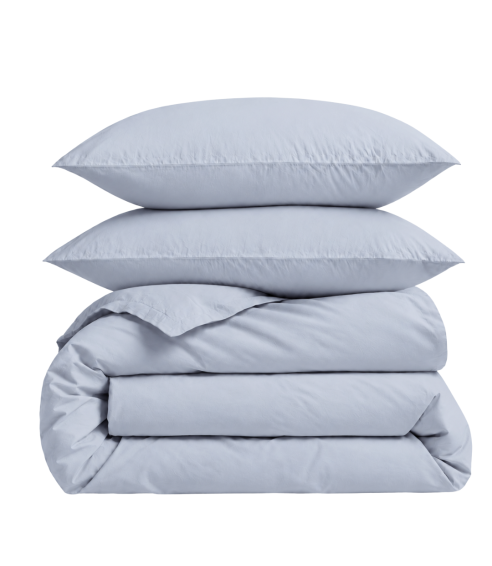
Premium Sateen Bedding Set „Classic grey“
49,69€ 70,99€
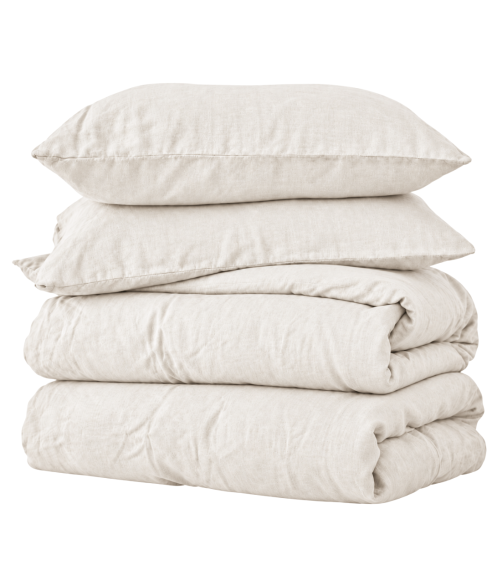
Linen bedding set „Linen white“
125,99€ 139,99€
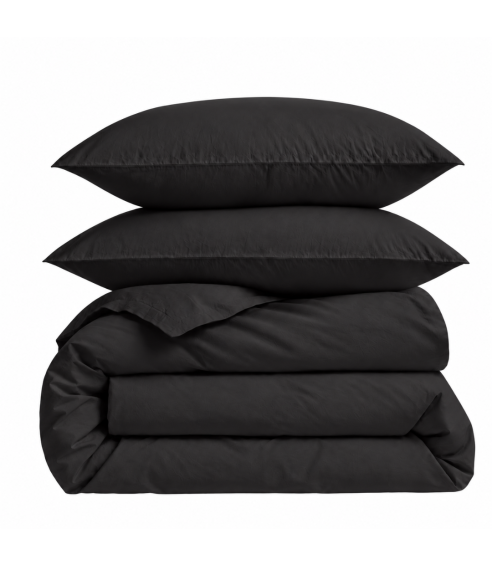
Premium Sateen Bedding Set „Midnight“
53,89€ 76,99€
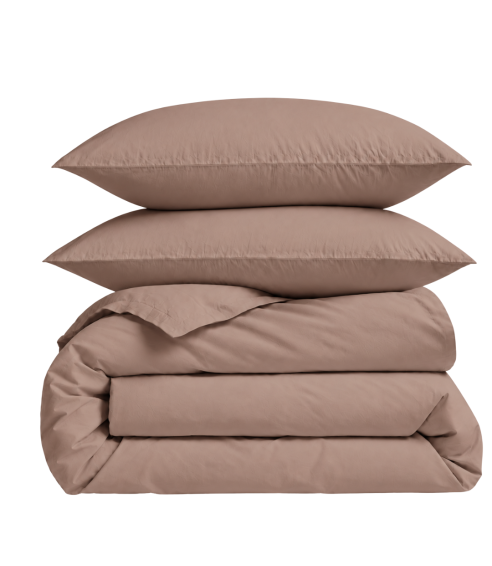
Bedding Set „Latte“
24,50€ 48,99€
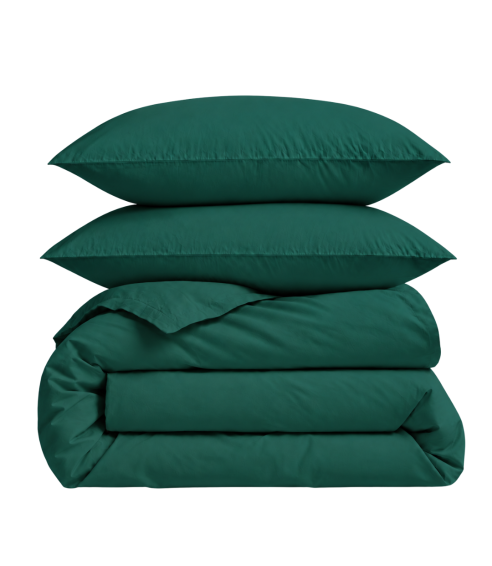
Premium Sateen Bedding Set „Dark green sateen“
53,89€ 76,99€
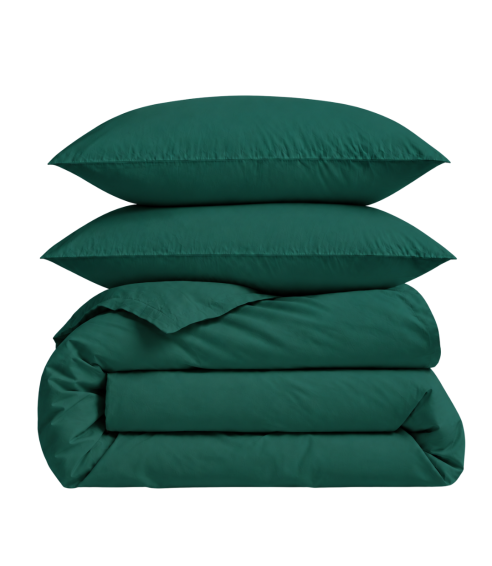
Bedding Set „Juniper“
24,50€ 48,99€
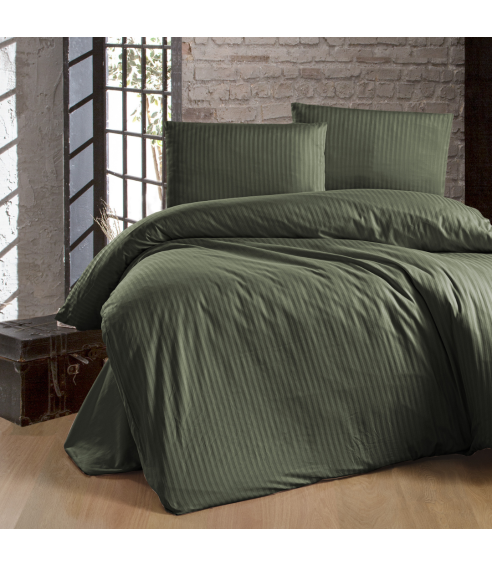
Premium Sateen Bedding Set „Dark Green Stripe“
49,69€ 70,99€
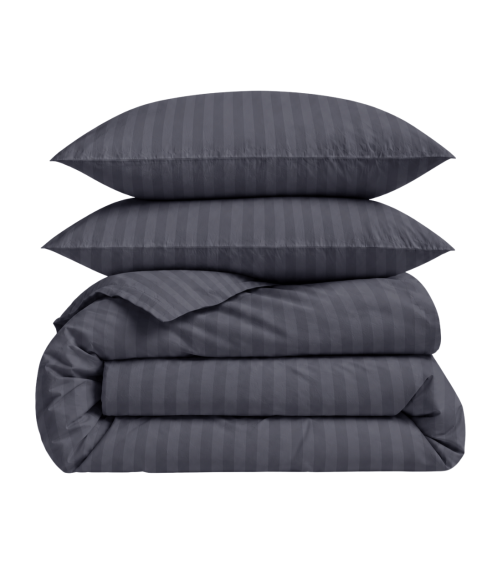
Bedding Set „Iron Stripes“
24,74€ 44,99€
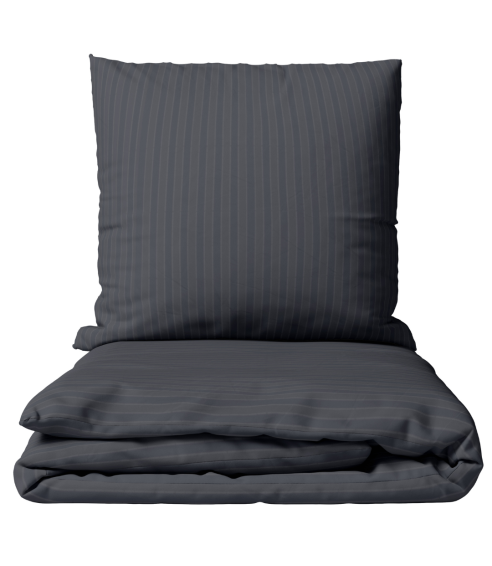
Premium Sateen Bedding Set „Graphite Stripe Satin“
70,99€
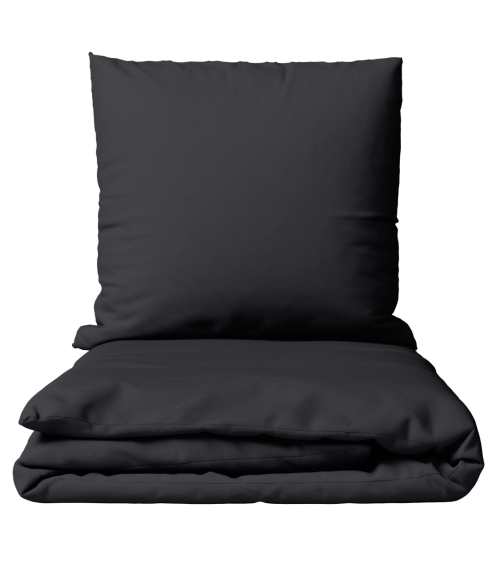
Premium Sateen Bedding Set „Graphite Satin“
46,19€ 76,99€
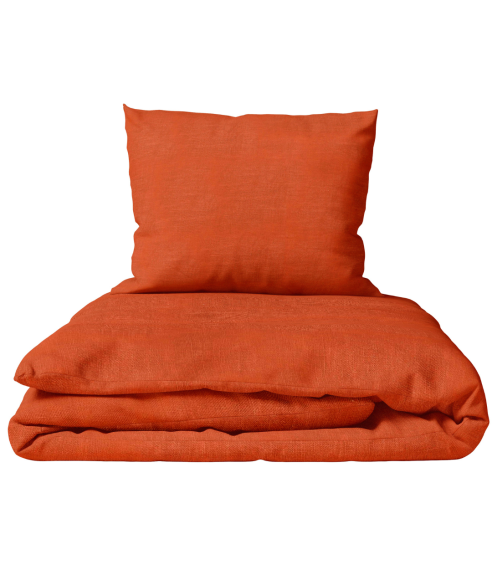
Linen Bedding Set “Linen Orange”
99,99€
%20(1680%20x%202000%20px)%20(1680%20x%202000%20px)%20(1800%20x%201800%20px)-cr-326x372.jpg "Does a sleep mask help you sleep better?")
%20(1680%20x%202000%20px)%20(1680%20x%202000%20px)%20(1800%20x%201800%20px)-cr-326x372.jpg "Sleep apnea: causes, symptoms, and treatment")
%20(1680%20x%202000%20px)%20(1680%20x%202000%20px)%20(1800%20x%201800%20px)-cr-326x372.jpg "Oversleeping: why it’s a problem and how to address it")
-cr-326x372.jpg "How to improve sleep quality and what hygiene practices to follow")