
Bath Rituals: The Art of Relaxation
A little hot water, a few drops of essential oil, and twenty minutes can help you sleep well and fully unwind. While our usual bathing ritual is personal, public bathing has been a centuries‑old tradition and a vital part of social life in many cultures. Let’s bathe from ancient Rome to modern Japan—and ask ourselves: is bathing together better?
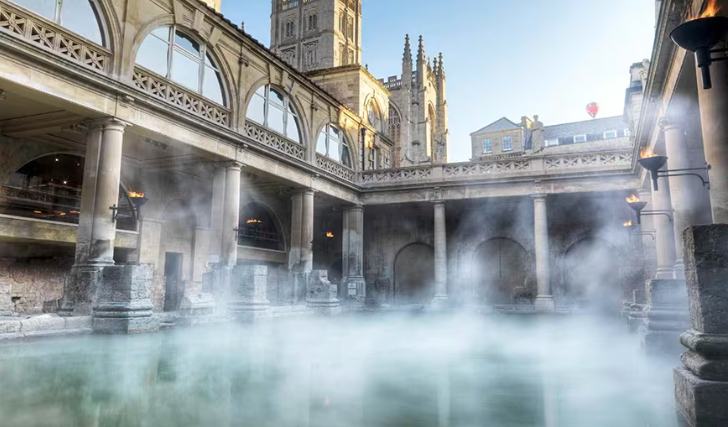
Roman Empire
To the ancient Romans, the public bathhouse (thermae) was far more than just a place to wash. It was a major social hub where people feasted, exercised, conducted business, and even browsed library scrolls or attended poetry readings. The bathing sequence—cold pool, tepidarium, and finally the hot caldarium—followed oil massages and workouts at the palaestra, all overseen by attendants who helped with drying and dressing. As Rome expanded, bath complexes sprang up from Britain to Byzantium.
Turkey
The Turkish hamam evolved from the imperial Roman baths, retaining their progressive temperature rooms and communal spaces. Beyond hygiene, these baths prepared worshippers for Islamic prayer through ritual cleansing. Famous for their grand domed architecture, many medieval hamams still operate in Istanbul today. Lying on a warm marble slab beneath tiled vaults feels timelessly luxurious.
Russia
For a more vigorous experience, try the Russian banya. Temperatures can reach 150 °C, so bathers wear felt hats to protect their heads. After the heat, plunging into a lake or rolling in the snow was traditional; modern banyas often offer cold pools instead. No visit is complete without the platza: striking the skin with birch, oak, or eucalyptus branches to boost circulation, tone the skin, and detoxify. Originating as a male bonding ritual, banyas now flourish worldwide—even in New York’s 124‑year‑old Russian Turkish baths in the East Village.
Japan
For a more meditative soak, head east to Japan’s volcanic hot springs (onsen). Each spring’s mineral composition is said to offer different healing benefits for skin and muscles. And there’s “hadaka no tsukiai,” or “naked fellowship,” the belief that communal nudity fosters emotional bonds and goodwill. In an onsen—where the only task is to sit, soak, and chat—connections forged in the bath are especially meaningful.
For more sleep‑friendly goods, visit the Savashome website.
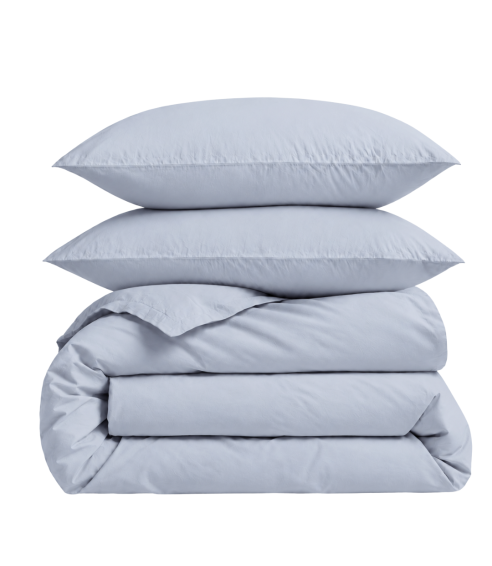
Premium Sateen Bedding Set „Classic grey“
49,69€ 70,99€
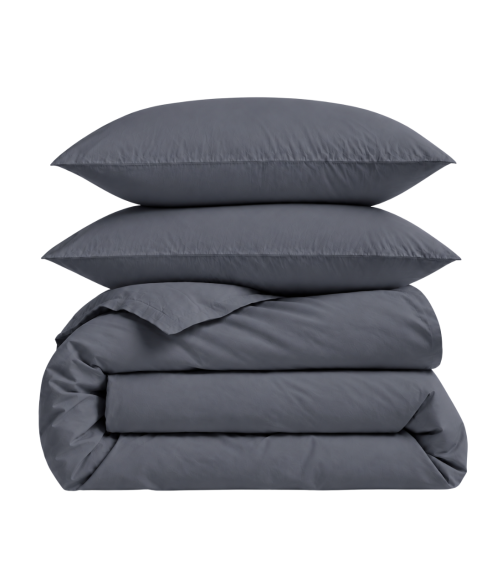
Bedding Set „Graphite“
26,94€ 48,99€
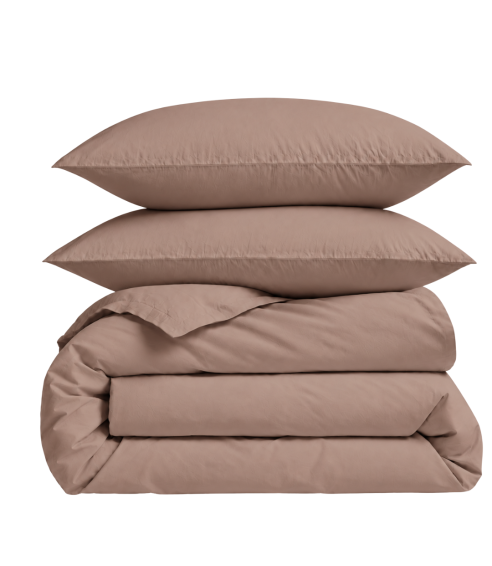
Bedding Set „Latte“
24,50€ 48,99€
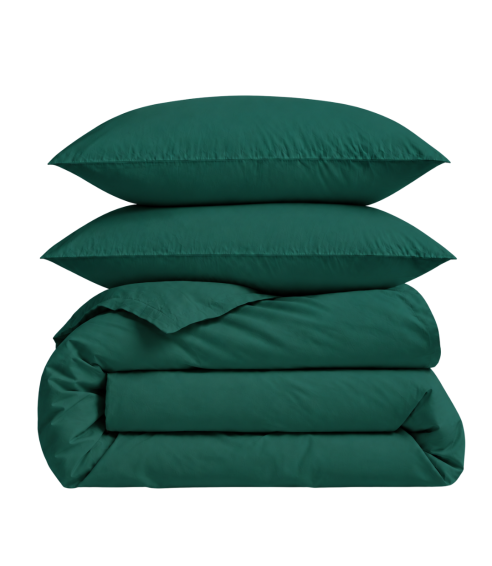
Bedding Set „Juniper“
24,50€ 48,99€
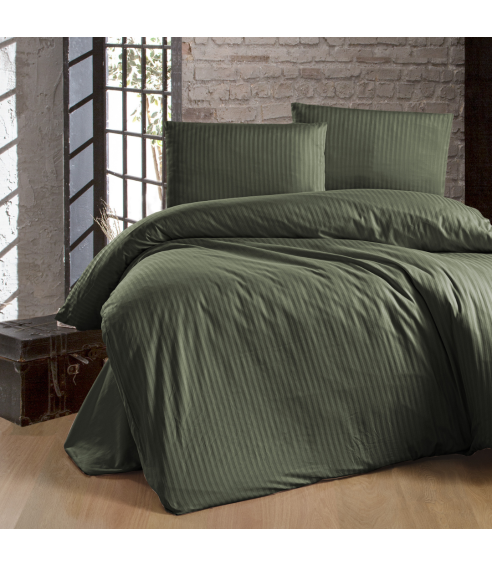
Premium Sateen Bedding Set „Dark Green Stripe“
49,69€ 70,99€
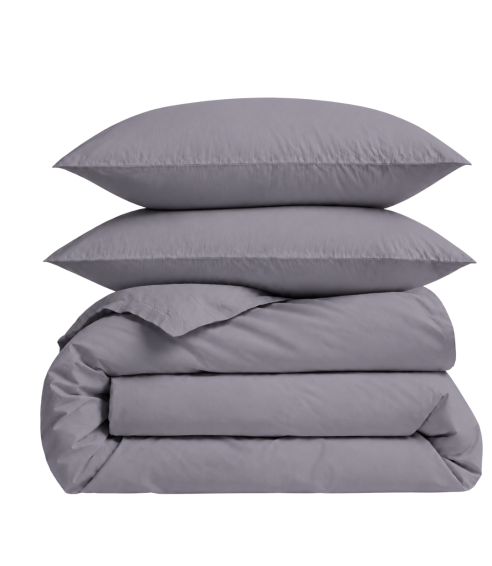
Bedding Set „Gull“
24,50€ 48,99€
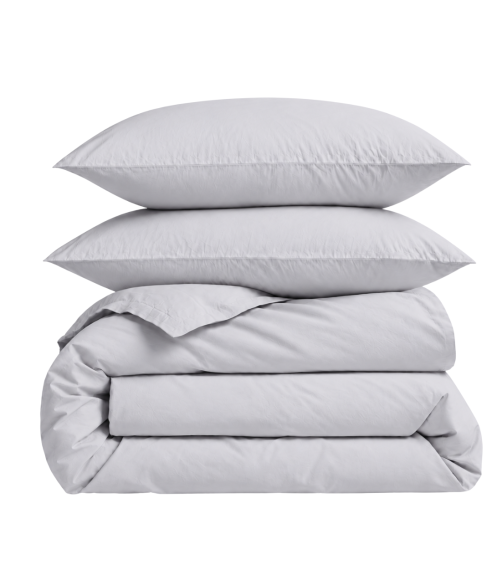
Bedding Set „Nimbus“
21,56€ 48,99€
%20(1680%20x%202000%20px)%20(1680%20x%202000%20px)%20(1800%20x%201800%20px)-cr-326x372.jpg "Sleep apnea: causes, symptoms, and treatment")
%20(1680%20x%202000%20px)%20(1680%20x%202000%20px)%20(1800%20x%201800%20px)-cr-326x372.jpg "Oversleeping: why it’s a problem and how to address it")
-cr-326x372.jpg "What is sleep, and why do we sleep?")
